
Key Takeaways
Knowing how to budget for synthetic audio helps you maximize creative output. Here are the core factors influencing your annual music production spend:
- Subscription models often offer the best value for professionals through high volume credit limits.
- Pay-as-you-go pricing works well for sporadic creators but rarely reduces long-term operational costs.
- Longer-form tracks and complex multi-vocal arrangements frequently incur higher computational resource fees.
- Commercial licensing often remains gated behind higher-tier subscription tiers rather than entry-level plans.
- Integrated workflows reduce overhead compared to moving audio assets between standalone generation and editing platforms.
Understanding the AI music pricing landscape
Determining how much does an ai song cost to generate requires looking past flat-rate promises. Most platforms operate on complex credit systems that fluctuate based on model quality and generation settings. You should treat these costs as a variable operational expense rather than a fixed subscription fee.
Evaluating the current market standard for AI music services
Market standards currently favor subscription-based services over true ownership. Many services like Suno offer free tiers that allow experimentation, but professional usage usually forces an upgrade. You rarely pay a flat fee per track unless you use niche, low-volume marketplaces.
The transition from free entry-level access to tiered pricing
Platforms effectively hook users with free daily credit allowances, but this limits your ability to scale production. Once you encounter the refresh wall, you naturally migrate toward monthly tiers. Upgrading through Free AI Song Generator plans often provides the consistency needed for regular content release schedules.
Why standardized “per song” pricing remains elusive
Computing power needs vary wildy depending on song structure and duration. An instrumental track costs less to compute than a complex composition with full lyrics and layered harmonies. This makes it impossible for developers to offer a single price tag for every output they provide to creators.
Distinguishing between freemium models and professional-grade accessibility
Professional usage requires rights-cleared content and reliable access, which differs from hobbyist tools. While some creators prioritize natural stone aesthetics like Signature Solitaire Collection for their homes, they must conversely prioritize reliable digital infrastructure for their sound assets. Professional tiers strip away credit limits to ensure your creative flow remains uninterrupted.
Comparing subscription and pay-as-you-go models
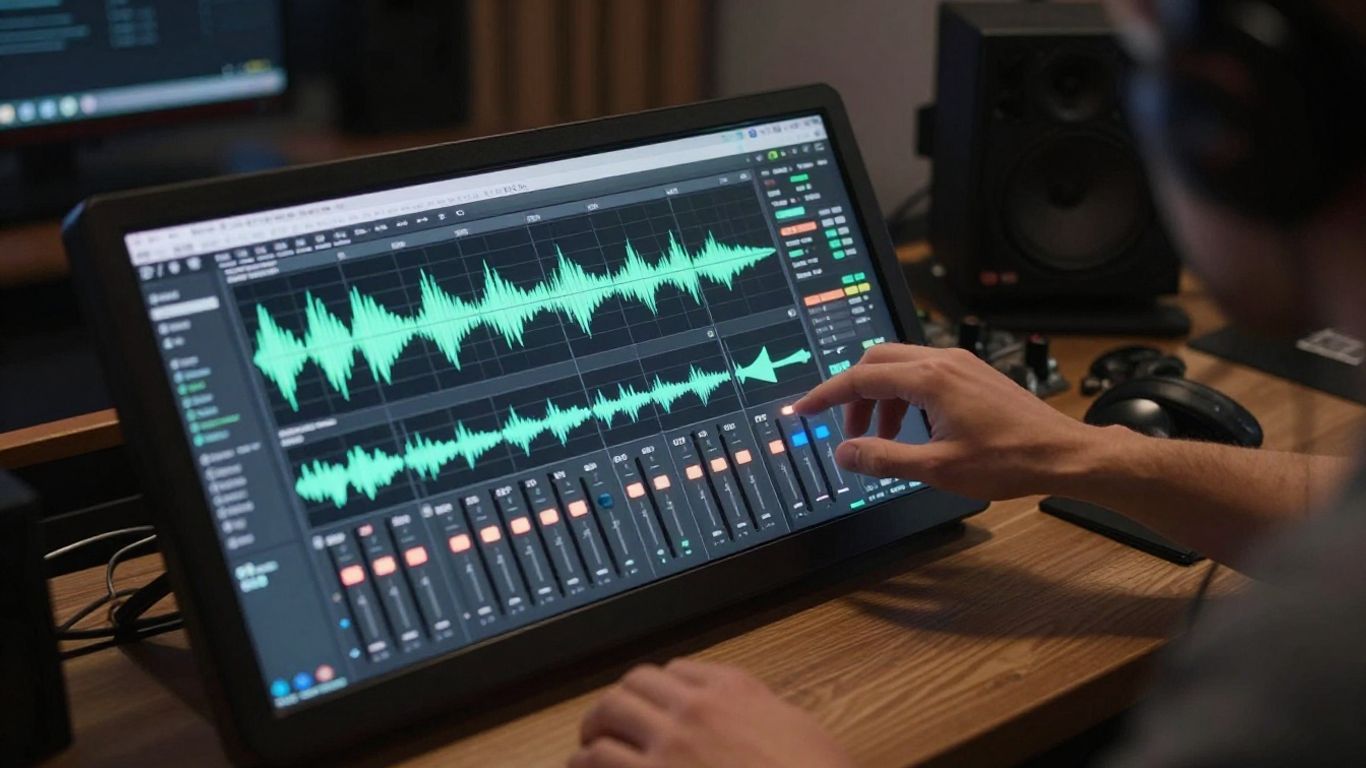
Choosing between monthly commitments and credit packs changes how you perceive costs. Subscription plans provide a stable baseline while pay-as-you-go options offer flexibility for fluctuating workloads. You gain more long-term predictability by aligning your tier with your expected monthly generation volume.
Analyzing monthly vs. annual subscription structures
Annual plans provide significant cost reductions compared to monthly billing cycles. You lock in a lower rate and remove the monthly anxiety of reaching your credit limit. Most power users prefer the annual structure because it aligns with yearly production budgets.
Understanding credit-based systems and how they translate to units of work
Most platforms convert your payment into internal credits. A typical credit usage table illustrates how specific features consume your allowance differently based on processing intensity.
| Feature | Credit Cost | Output Quality |
|---|---|---|
| Short Instrumental | 2 | Standard |
| Full Vocal Song | 5 | High |
| Extended Composition | 10 | Ultra |
Standardizing your generation process helps you predict exactly how many songs your monthly budget supports without hitting unexpected limits.
The impact of usage limits and credit expiration on total costs
Credits often function as perishable goods. Some platforms clear unused balances on your renewal date, effectively increasing your cost if you fail to generate enough content. Keep close track of your refresh dates to avoid losing the value you already paid for.
Determining the most economical model for different content volumes
If you produce fewer than ten tracks per month, one-off credit buys suffice. If your production needs exceed the basic tier limits, look at providers like MusicCreator AI. Their higher tiers often provide the best economic balance for active creators looking to maximize output without paying premium prices for occasional gaps in a busier schedule.
Hidden costs and licensing considerations
Your sticker price rarely reflects the total investment required for a commercial project. Many platforms distinguish between personal creative exploration and the legal rights needed for public distribution. Failing to account for these legal differences early can lead to expensive copyright complications later.
Distinguishing between royalty-free personal use and commercial licensing
Personal use tiers are inexpensive because they lack legal ownership guarantees. If you build a business, you need commercial-grade rights to avoid potential takedowns. Always verify that your chosen platform provides explicit transfer of rights in its terms of service for the assets you generate.
Financial implications of copyright-safe content and distribution rights
Publishing original works requires assurance that the source model respected intellectual property boundaries. Using platforms that demonstrate ethical training helps you avoid future legal claims against your channel. This protection adds a premium cost that is often worth the security for serious creators.
Accounting for added expenses in cloud storage and high-definition exports
High-fidelity WAV files consume significantly more storage than compressed MP3s. Some services charge extra for persistent cloud storage, while others limit how long your generated assets stay on their servers. You should factor in external backups as part of your total infrastructure budget.
The hidden value of enterprise-grade integrations and API access
Scaling operations requires more than basic browser tools. Enterprise-level access permits you to automate bulk generation and integrate directly into your production pipelines. While these features carry a higher monthly price, they generate massive savings by reducing manual drag-and-drop tasks.
How complexity and content length affect pricing

Processing intensity dictates the direct cost of every generation. Longer tracks with lyrics require more passes by the generative model, which forces providers to charge higher rates to maintain profitability. You can optimize costs by keeping your prompt structures concise and your output lengths focused.
Why longer-form compositions demand more computational resources
Rendering extended audio requires temporal consistency that shorter clips avoid. As you push the length past three minutes, the risk of structural degradation increases, requiring more backend work. These performance spikes are why tiered pricing often caps the duration of your output.
The cost difference between simplified instrumentals and full-vocal performances
Generating vocals adds a layer of sophistication that demands additional voice cloning or synthesis models. You are effectively paying for two distinct engines working in tandem. This is why Songer and similar tools differentiate their pricing based on vocal versus instrumental outputs.
Addressing the premium costs of custom voice models and style training
Training a model on your specific vocal profile requires significant compute time. These services often operate on a specialized pricing tier due to the personalized maintenance and hosting needs. You should only pursue this if you require a consistent sonic brand that generic models cannot replicate through prompts alone.
The correlation between production quality, tempo control, and generation fees
Adding manual control over tempo or key often requires re-processing your audio. Whenever a platform gives you granular control, you are effectively paying for the privilege of more iterations. Each additional pass costs the service tokens or time, which usually translates to higher usage charges for the user.
The economic advantages of integrated AI workflows
Efficiency is the silent factor in your creative profitability. Moving audio between different applications consumes precious time and increases the risk of file corruption. Platforms that combine generation and editing allow you to see the entire process inside one interface.
Cost savings achieved by combining music generation and video production
Using a single platform like Creatus.AI instead of subscribing to separate services saves roughly thirty percent of your annual budget. You eliminate redundancy in your software stack by keeping your research, generation, and export workflows unified. This consolidation also speeds up the journey from a raw text idea to a finished video.
Reducing operational overhead by eliminating platform switching
Fragmented software forces you to copy, download, and re-upload files constantly. Integrated solutions offer a smoother route for professional creators. Consider how these steps add up in your daily routine:
- Initial prompt drafting and generation.
- Audio artifact review and editing.
- Visual synchronization and rendering.
- Final export for target platforms.
When your tools live together, you save valuable time that you can spend on other revenue-generating activities.
Assessing the value of all-in-one solutions over fragmented software stacks
Fragmented tools often result in broken metadata and inconsistent file quality. By centralizing your production cycle, you reduce the number of potential failure points in your workflow. The added benefit of having one support team for all your tools is an often overlooked factor in organizational reliability.
Maximizing efficiency through multi-format exports for social media platforms
Different social channels require different aspect ratios for your finalized music videos. Superior platforms handle these renders automatically for you. Instead of manual re-editing, you receive files formatted for various feeds immediately after generation is finished.
Assessing the ROI for different user segments
Determine your return on investment by comparing hourly labor rates against subscription costs. If an AI tool saves you five hours of studio time each month, it is profitable even at higher price points. The value is not just in the money saved but in the speed added to your creative pipeline.
Calculating time savings versus monthly subscription expenditures
Track your production time for three weeks to establish a baseline. You will likely find that subscription fees cost significantly less than the time you spend manually mixing or editing. Once you see the math, the recurring monthly fee becomes a clear bargain.
Comparing AI music throughput against traditional studio production costs
Traditional studio time involves hourly session fees that quickly scale into thousands of dollars. AI tools grant you similar output volume for a fraction of that expenditure. You can see how students in the Total Guitar Transformation Academy progress through theory much faster by using these tools to practice alongside generated tracks.
Scalability benefits for agencies and small-to-medium business owners
Agencies need rapid turnaround times to satisfy multiple clients simultaneously. Automated generation allows for high-volume content delivery that boutique studios cannot match. This allows you to increase your client capacity without significantly increasing your internal headcount or salary obligations.
Establishing the break-even point for freelance content creators
Calculate your break-even point by dividing your monthly subscription cost by the number of videos produced. If you produce ten videos, and your subscription cost is fifty dollars, your cost per video is five dollars. This figure gives you a clear target when negotiating project rates with your clients.
Conclusion
Knowing how to evaluate costs for synthetic audio allows you to scale your creative output without breaking your budget. By choosing integrated platforms that fit your specific volume needs, you turn these technology expenses into a highly profitable workflow that grows alongside your audience.
Frequently Asked Questions
Can I use AI music for commercial purposes?
Yes, but you must select a plan that explicitly grants commercial usage rights. Many platforms restrict these rights to their professional or enterprise tiers to prevent misuse.
Should I pay for a subscription or credit packs?
Choose a subscription if you have a consistent release schedule each month. Use credit packs only if your production volume varies wildly and you cannot predict your monthly usage.
Does high definition audio cost more to generate?
Yes, because high-fidelity files require significantly more computational power and storage space during the generation phase. Expect to pay a premium for any export quality beyond standard MP3 levels.
Why do some unused credits disappear each month?
Many providers implement this policy to manage their server loads and keep operational costs predictable. Always verify the credit expiration terms before committing to an annual plan.
Can I keep the songs I generated if I cancel my subscription?
This depends entirely on the terms of service for the platform you use. Some allow you to keep ownership of created assets, while others may revoke your rights to those tracks upon cancellation.
How does complexity impact the cost of a song?
Longer tracks with complex vocals require more passes through the underlying model to ensure structural consistency. This higher resource usage often results in increased credit deductions per generation task.
Are generation costs calculated per prompt or per track?
Costs are almost universally calculated based on the total processing resources required, regardless of how many prompts it takes to finish the track. More refined or lengthier outputs will always cost more than simple, short clips.