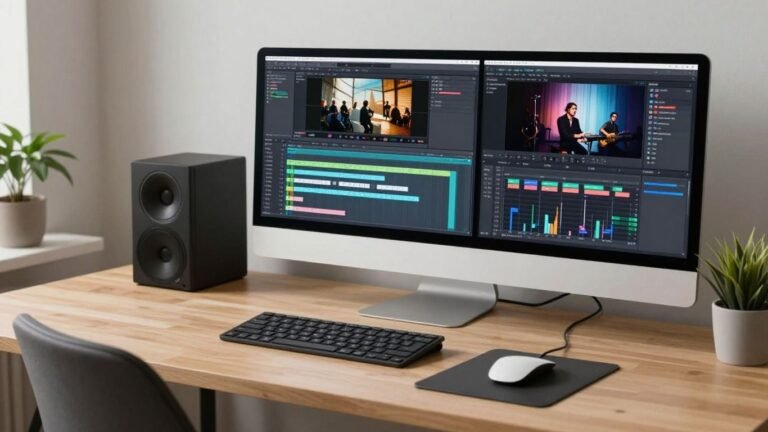
So, you’ve got a killer track on Spotify and you’re thinking, ‘How do I get a music video for this without breaking the bank or spending weeks editing?’ Well, you’re in luck. The internet is full of tools that can help you generate music video from Spotify track, even if you’ve never touched video editing software before. It’s pretty wild how far this stuff has come, honestly. Let’s figure out how you can turn your favorite songs into something visual.
Key Takeaways
- You can generate music video from Spotify track by using AI tools that analyze your audio and create visuals.
- Many platforms let you sync video to either the lyrics or the beat of your song.
- You don’t need to be a pro editor; these tools are designed for ease of use.
- You can choose from different visual styles, like AI-generated clips or stock footage.
- The generated videos are usually ready to share on social media platforms like TikTok and Instagram.
Generate Music Video From Spotify Track
Understanding the Process
Turning a Spotify track into a music video might sound complicated, but it’s become surprisingly straightforward. You no longer need a big budget or a film crew to get visuals for your music. AI tools can now analyze your song and create synchronized video content automatically. This means you can get a professional-looking music video in minutes, right from your computer.
Key Tools and Platforms
Several platforms are designed specifically for this task. Many use AI to analyze your audio and generate visuals. You’ll find tools that offer different styles, from animated graphics to realistic footage. Some even let you upload your own images or video clips to incorporate. The key is finding a tool that matches your desired aesthetic and technical needs. Exploring options like Freebeat or Creatus.AI can give you a good starting point for understanding what’s available.
Inputting Your Spotify Track
Getting your song into the AI tool is usually the first step. Most platforms allow you to simply paste the URL of your Spotify track. You don’t need to download the song separately in many cases. Some tools also support direct uploads of audio files like MP3s or WAVs, giving you flexibility. This makes the process quick and easy, letting you focus on the creative output rather than technical hurdles.
The goal is to make music video creation accessible to everyone, regardless of their technical skill or budget. AI is bridging that gap.
Selecting Visual Styles and Customization
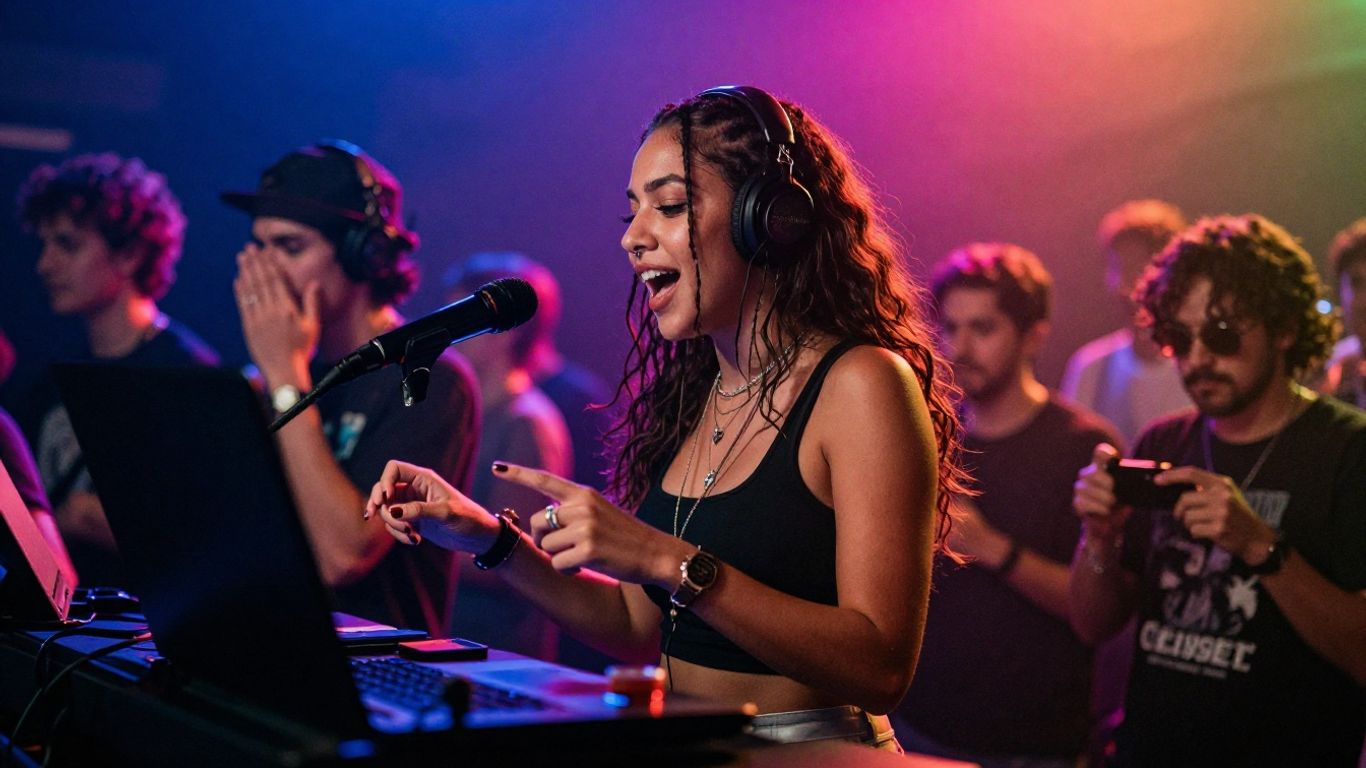
Once you have your Spotify track ready, the next step is deciding how you want it to look. This is where you get to pick the visual flavor for your music video. You’re not just stuck with one option; there are many ways to make the video match your song’s vibe.
Choosing Between Beat and Lyric Sync
Think about what’s most important in your song. Do the lyrics tell a story you want to highlight? Or is the rhythm and energy of the music the main driver? You can choose to have the video’s visuals change in time with the beat, making it feel dynamic and energetic. Alternatively, you can opt for lyric synchronization, which displays the words on screen as they’re sung. This is great for making sure your message comes across clearly. Many tools offer both options, so you can pick what fits best. Some even let you add classic audio waveforms that react to the music’s frequencies.
Exploring Visual Themes and Aesthetics
Now for the fun part: picking the look. You can go for abstract visuals that pulse with the music, or maybe something more cinematic. Some platforms offer a range of pre-set styles like anime, cyberpunk, or even retro VHS. You can also often describe the look you want using text prompts. This allows for a lot of creative freedom to match the video’s mood to your music’s genre. It’s about finding that perfect visual match.
Applying Filters and Effects
Beyond the main style, you can tweak things further. Many tools let you apply filters to change the color tone or add specific effects. Think about adding a grainy texture for a vintage feel or a glitch effect for something more modern. You can also customize how lyrics appear, changing fonts, sizes, and colors. These small adjustments can significantly change the overall feel of your music video. You can even experiment with different camera angles if the tool supports it, giving your video a more professional look. It’s all about making the video uniquely yours.
AI Video Generation Workflow
Once you’ve got your Spotify track ready, the AI takes over to build your music video. This part is where the magic happens, turning sound into visuals.
Analyzing Music for Visual Synchronization
The AI first breaks down your song. It looks at the rhythm, tempo, and overall energy of the music. This analysis is key to making sure the video’s visuals match the song’s feel. It’s all about creating a cohesive audio-visual experience.
Generating Video Content
Based on the music analysis, the AI starts creating video clips. You can often choose different visual styles, like realistic AI-generated scenes, animated images, or even stock footage. The AI then syncs these visuals to the beat and mood of your track. You can explore different visual styles to find what fits your music best.
Refining and Editing Your Video
After the initial generation, you’ll likely get a chance to tweak things. Most tools let you regenerate parts of the video or make small edits. You can adjust scene transitions, add text, or change visual elements. This step helps you put the final polish on your creation before sharing it. You can even use this to create viral music videos. This process is designed to be quick, often delivering a video in just a few minutes for standard song lengths.
Outputting and Sharing Your Music Video
Now that you’ve created your music video, it’s time to get it ready for the world. This involves choosing the right export settings and understanding where you’ll be sharing it.
Understanding Export Formats
When you export your video, you’ll encounter different file formats and settings. These choices affect quality, file size, and compatibility with various platforms. The most common format for online video is MP4, offering a good balance of quality and file size.
Here are some common export options:
- Resolution: This refers to the number of pixels in the video (e.g., 1080p, 4K). Higher resolution means a sharper image but a larger file.
- Frame Rate: Measured in frames per second (fps), this determines how smooth motion appears. 24fps or 30fps are standard for most videos.
- Bitrate: This affects the amount of data used per second of video, impacting quality and file size.
Optimizing for Social Media Platforms
Different social media platforms have specific requirements for video. Tailoring your export settings to each platform ensures your video looks its best and plays without issues. For instance, vertical video (9:16) is ideal for TikTok and Instagram Reels, while horizontal video (16:9) works well for YouTube.
Consider these platform-specific needs:
- TikTok/Instagram Reels/YouTube Shorts: Aim for a 9:16 aspect ratio. Keep videos relatively short, often under 60 seconds, though longer formats are supported.
- Instagram Feed: A 1:1 square or 4:5 aspect ratio often performs well.
- YouTube: 16:9 is the standard, with options for higher resolutions like 4K.
Many video creation tools offer presets for these platforms, simplifying the optimization process. You can easily convert Spotify tracks into videos with these settings in mind.
Sharing Your Final Music Video
Once exported and optimized, you’re ready to share your creation. Upload your video to your chosen platforms. Remember to write compelling descriptions, use relevant hashtags, and engage with comments to maximize reach.
Think about your audience and where they spend their time online. Tailor your sharing strategy to match their habits and the platform’s strengths. This makes your video more likely to be seen and enjoyed.
Don’t forget to promote your video across all your online channels. Share the links on your website, in email newsletters, and on other social media profiles. You can also upload your own audio and create a video for it, then share that across platforms.
Leveraging AI for Music Video Creation
Benefits of AI in Video Production
AI tools can seriously speed up your music video production. Instead of spending days or weeks on editing, you can get a video generated in minutes. This means you can focus more on the music itself and less on the technical side of video making.
AI analyzes your track to create visuals that match the mood and rhythm. This synchronization is often better than what you could achieve manually without a lot of effort. It’s like having a dedicated video editor who understands your music perfectly.
Cost and Time Savings
Think about the traditional costs of making a music video: hiring a crew, renting equipment, studio time, and editors. AI cuts through most of that. You can generate a professional-looking video for a fraction of the price, sometimes even for free with trial periods transform Spotify songs.
This is a game-changer for independent artists or anyone on a tight budget. You get more creative output with less financial strain. The time saved can be reinvested into writing more songs or planning your next release.
Creative Possibilities with AI
AI doesn’t just replicate; it can also innovate. You can explore visual styles you might never have considered before. Tools can generate unique imagery or animations based on your music’s themes and your artist profile analyzes a track.
AI can help you break through creative blocks by suggesting visual concepts or styles you hadn’t thought of. It opens up new avenues for visual storytelling that align with your sound.
Here are some ways AI expands your creative options:
- Diverse Visual Styles: Choose from realistic footage, animated characters, abstract visuals, or lyric video formats.
- Beat and Lyric Sync: Decide if you want visuals to pulse with the beat or follow the words of your song.
- Customization: Many platforms allow you to tweak generated videos, add text, or change elements to fit your vision.
This technology makes creating engaging content more accessible than ever. You can experiment with different looks and feels for each song without a huge commitment.
Making cool music videos just got way easier with AI! Imagine turning your song ideas into awesome visuals without needing a big crew or fancy cameras. AI tools can help you create stunning scenes and effects that match your music perfectly. Want to see how it works? Visit our website to learn more and start making your own AI-powered music videos today!
Wrapping Up Your Music Video Creation
So there you have it. You’ve seen how you can take a track from Spotify, or even an audio file you already have, and turn it into a music video without needing a film crew or a big budget. Tools like Creatus AI and others we’ve touched on make this process pretty straightforward. You just need to pick your song, choose a style, and let the AI do the heavy lifting. It’s a practical way to get your music out there visually, especially for social media. Give it a try with your next track.
Frequently Asked Questions
What’s the easiest way to get a music video from a Spotify song?
It’s super simple! You can use tools like Creatus AI. Just paste the Spotify link of the song you want, pick a cool visual style, and the AI will whip up a music video for you in minutes. No fancy editing skills needed!
Do I need to be a pro at making videos or music to use these tools?
Nope, not at all! These AI tools are made for everyone. You don’t need to know anything about music production or video editing. Just give the AI your song, choose how you want it to look, and it does the hard work for you.
Can I use any song from Spotify for my video?
Generally, yes! As long as the song has a public link on Spotify, you should be able to paste that link into the AI tool and create a video from it. It’s like magic for any track you love.
What kind of videos can the AI make?
The AI can create different kinds of videos. You can choose to have the visuals match the lyrics of the song, or you can have them sync up with the beat. Some tools also let you pick themes, add effects, or even use AI-generated clips.
How long does it take to make a music video this way?
It’s usually really fast! Most AI tools can generate a complete music video in just a few minutes. This is way quicker than traditional methods that can take days or even weeks.
Can I share the video I make on social media?
Absolutely! These tools often let you export your video in different sizes perfect for platforms like TikTok, Instagram Reels, and YouTube Shorts. So, you can easily share your new music video wherever you want.