Key Takeaways
Understand the shift from disconnected production tools toward integrated workflows that handle both music and video creation. Here are the core advancements driving music video production through 2026.
- Unified platforms now merge audio composition with visual generation.
- Improvements in temporal consistency reduce flickering in generated clips.
- Native platform-specific aspect ratios simplify distribution for social media.
- Advanced lip-sync models align vocal phonemes with visual mouth movements.
- Creative control tools allow precise style and scene adjustments.
Architectural shifts in AI music video generation
Moving from fragmented workflows to unified platforms
You no longer need to jump between separate apps for song generation and video creation. Platforms like CREATUS.AI solve this by housing music composition and video rendering in one space. This shift keeps your creative momentum high while ensuring your visual style stays consistent with your sound.
Enhanced synchronization between audio tracks and visual triggers
Early models struggled to match beats, but current systems analyze the raw audio waveform to pace scene changes. When you use tools designed for audio-to-music-video production, you get visuals that react to kicks, snares, and drops in real time. This mechanical link between sound and sight removes the manual effort of aligning clips to a timeline.
Reduction in latency for complete music video rendering
Waiting hours for a video export has become a thing of the past. Modern architectures use streaming compute infrastructure that renders short clips while you build the longer sequence. This speed allows you to test multiple visual ideas without losing days of work.
Visual quality and aesthetic consistency
Improvements in frame-by-frame temporal stability
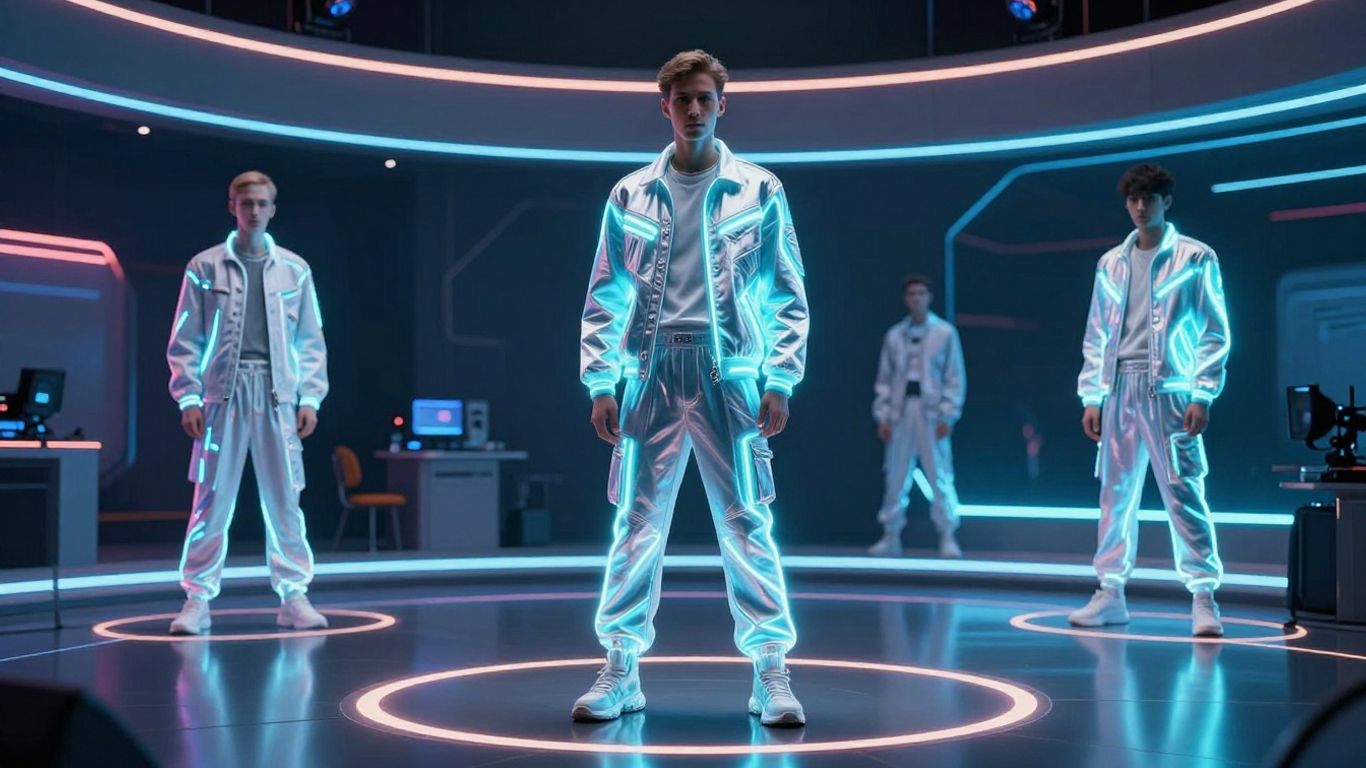
You now see much less of the jittery, pulsating artifacts that plagued early models. Current generation models lock in subject details across consecutive frames, giving your footage a cinematic feel. You can see how these technical leaps translate into production value in the table below.
| Technical Metric | 2024 Standard | 2026 Capability |
|---|---|---|
| Temporal Consistency | Low, prone to jitter | Stable motion flows |
| Resolution Output | Limited 720p | Native up to 4K |
| Latency per Minute | High, multi-hour | Near-instant generation |
Transition from abstract imagery to narrative-driven scenes
AI video is moving past simple kaleidoscope animations or morphing shapes. You can now prompt for specific settings, camera angles, and character actions that actually look like a story. This evolution allows you to bridge the gap between niche visuals and commercial quality for your projects.
Advancements in texture, lighting, and rendering fidelity
Textures like skin, fabric, and hair finally show realistic properties rather than plastic-like smears. These advancements in texture and lighting are crucial for making your videos look professional. A video with proper shading often performs better on platforms that favor high-quality visual density.
Precision in lip-sync and vocal performance
The evolution of natural mouth movement and phoneme alignment
Achieving perfect lip-sync through AI generation has matured rapidly. Modern models map phonemes accurately to mouth shapes, making the singing look authentic even if the character is entirely computer-generated. This level of realism helps your viewers connect with the performer on screen.
Integration of AI vocal emotion with visual expressions
Your video should reflect the energy of the song. New workflows sync the facial expressions of your character with the emotional delivery of the vocals. When a singer hits a high note, the face and body language match the vocal performance intensity automatically.
Overcoming the uncanny valley in AI-generated performers
By adding micro-expressions and natural eye movement, these tools push past the aesthetic discomfort of early AI faces. Whether you create a stylized performer or a human-like avatar, the current output maintains consistent structure during movement. You can rely on these tools when you need a professional-looking music video without hiring a camera crew.
Evolution of format versatility and platform adaptability
The rise of native 9:16 vertical video support for social media
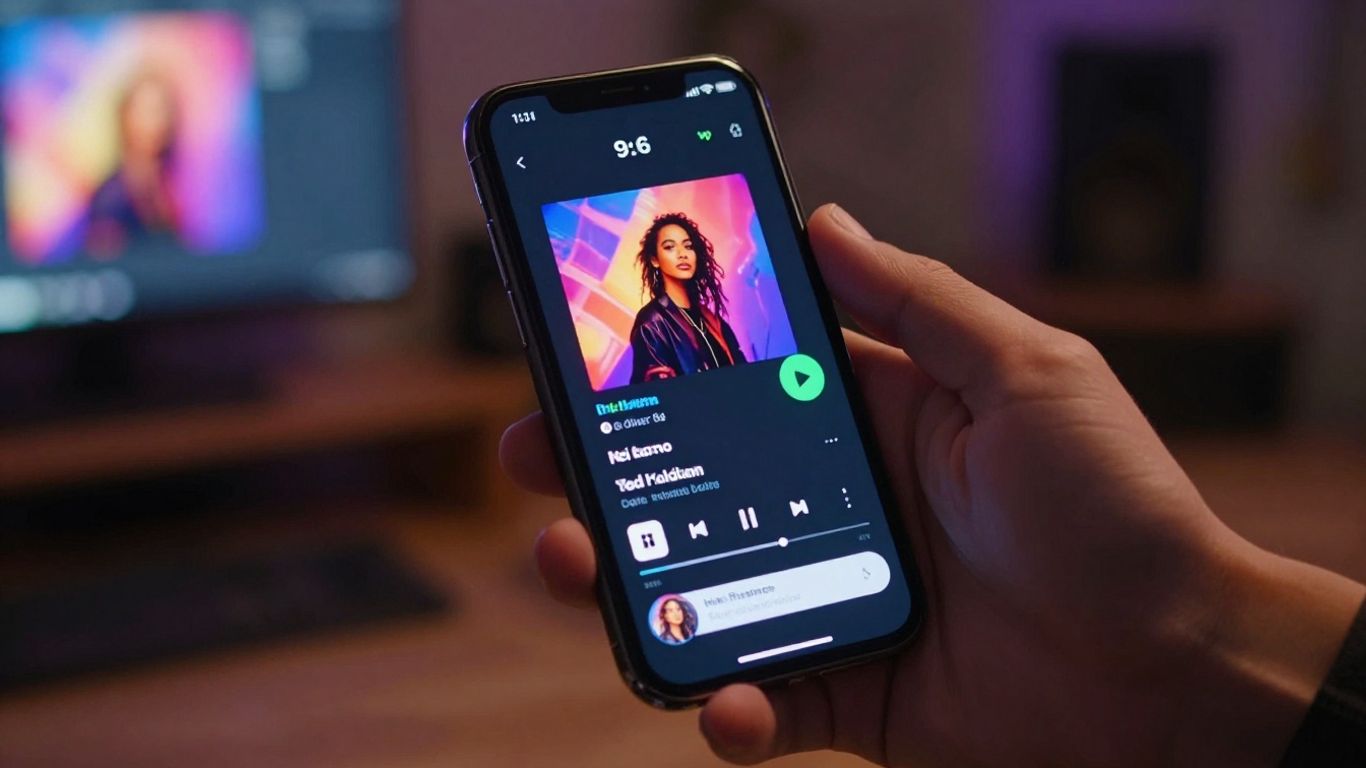
Vertical video is now the default rather than an afterthought. Most platforms now output 9:16 content directly, saving you from cropping your wide shots into awkward frames. This focus on mobile-first design makes it easier for you to share content while keeping visual integrity.
Optimization of aspect ratios for multi-platform distribution
You need content that looks perfect on every screen size. Many generators provide one-click export for square, vertical, or widescreen formats without degrading your footage. Consider these formats for your next release:
- 9:16 Vertical for TikTok and Reels
- 1:1 Square for Instagram feed posts
- 16:9 Landscape for high-end YouTube displays
Maintaining visual integrity across varying device resolutions
With pixel-density awareness, you avoid the pixelation that happens during compression. You should aim for stable high-resolution sources that translate well across mobile and desktop interfaces. High-quality output is essential for optimizing aspect ratios to ensure your branding remains sharp.
Expanding capabilities for the creative user
From simple text-to-music to nuanced style control
Text prompts have evolved from basic genre tags into complex style descriptions. You control mood, tempo, and instrument choice with simple language. Getting the sound you want is now as easy as describing your project in an AI music tool.
Enhanced user intervention in storyboarding and shot selection
You can now guide the AI through a pre-defined storyboard. Instead of relying on random generation, you set the pacing of shot changes. This level of nuanced style control gives you final say on the look and feel of your work.
Integration of copyright-safe and customizable assets
Creators need freedom from legal headaches during production. Using tools that provide copyright-safe content ensures you can distribute your videos without worrying about unlicensed samples. You can spend more time focusing on your artistic vision rather than managing clearance logs.
Accessibility and professional-grade output
Reducing reliance on post-production editing skill sets
Editing used to require years of technical training, but automated tools now handle the heavy lifting. You can generate scene transitions and beat-synced visuals as part of your core workflow. This access allows artists on any budget to generate professional music videos without building a professional studio.
Standardizing high-quality exports with minimal technical overhead
Consistent exports mean your video looks the same on every viewer’s device. Standard outputs for resolution and frame rate mean you spend zero time fiddling with codecs. You can focus on the ai music video quality comparison 2024 vs 2026 benchmarks and know that your final product meets the bar.
Scaling from amateur projects to professional campaign content
Whether you are releasing your first single or a brand promo, the same tools grow with you. API integration and batch generation allow you to scale your output when you need multiple assets. Check out CREATUS.AI to start turning your tracks into professional video assets today.
Conclusion
The gap between DIY home production and broadcast-ready content has effectively closed for music creators everywhere. By leveraging unified tools that handle performance, synchronization, and platform-specific formatting, you gain the ability to produce a release-ready video as quickly as you write the song itself. Human direction remains the final driver of emotional impact, even as technical barriers continue to fall.
Frequently Asked Questions
Is AI music video quality the same as human cinematography?
AI has made massive strides in visual fidelity and temporal stability, but human-directed cinematography still offers more control over subtext and complex emotional storytelling. While AI excels at abstract or performance visuals, it functions best as a partner to your creative direction.
Can I export in different vertical aspect ratios?
Most modern tools prioritize 9:16 vertical output to support mobile social media consumption. You can easily switch between vertical, square, and horizontal orientations before generating your final file to ensure compatibility.
Does AI music video generation require expensive hardware?
No, because most processing happens on cloud servers, you do not need high-end local graphics cards or workstation computers. You only need a stable internet connection and a browser to generate and download broadcast-quality files.
Are the music and video generated in the same workflow?
Leading platforms have moved toward integrated systems that generate the song and the matching video simultaneously. This approach ensures the visuals respond to the specific rhythm and energy of the generated track.
Can I use AI videos for commercial brand campaigns?
Many tools now offer commercial usage rights for their output, provided you adhere to the specific terms of the platform you choose. Always verify that your subscription tier includes these rights before using the content for public promotional materials.
How does AI handle beat synchronization?
Advanced models perform audio analysis to map the beats of your uploaded track to the visual changes in the video. This ensures that scene transitions or camera movements occur precisely on the intended musical timing.
Why do some videos still show flickering or textures changing?
Temporal inconsistency is a common challenge in AI video, often caused by the model struggling to maintain object identity across frames. However, current models utilize better motion constraints and feedback loops to minimize these artifacts compared to models from just two years ago.