Key Takeaways
Creating AI-driven music content requires choosing between all-in-one platforms and specialized tools. Understanding the technical needs for your assets keeps the process moving without frustration.
- Use a centralized platform to handle both song generation and video synthesis.
- Ensure source audio files are in high-quality formats like WAV.
- Align visual style prompts with your song genre for consistent branding.
- Export in industry-standard vertical aspect ratios for mobile viewers.
- Test your output on social channels before official release.
Understanding the AI music video workflow
You need a reliable process to transition from a rough melody to a finished video. Choosing the right tool eliminates fragmented workflows that slow down your creativity.
The difference between standalone and integrated platforms
Selecting an integrated platform like Creatus.AI saves you time by keeping song generation and video production in one space. Some services focus only on audio synthesis, which leaves you hunting for video software later. You want a cohesive experience that lets you move from a text prompt to a rendered video without switching apps. Consider the Signature Solitaire Collection logic of finding everything in one place.
Managing creative expectations for AI output
AI models generate based on your input energy, so your results depend heavily on how clear your initial prompt is. You should understand that AI interpretative models sometimes produce abstract visuals that need refinement. Consistent iteration helps you dial in the quality you want to see. Think of this like mastering Dragon Train pokies where you align your strategy to the game mechanics.
Planning the technical requirements for your project
Proper planning means gathering high-fidelity files before you begin. You need to ensure your internet connection remains stable and that you have sufficient storage space for high-resolution exports. When you organize your assets like a professional, the Elite Trader Funding approach of managing risk applies to your project timeline as well. Make sure you set aside time for rendering, as high-quality video generation can take more time than standard image processing.
Identifying the role of text-to-song versus video generation
Text-to-song tools create the baseline for your content, while video generators translate that rhythm into movement. Combining these functions is the most popular way to produce original music without external production debt. If you are exploring Signal Mountain training methods for your dog, you know that consistent practice yields the best results. Using the right tool for both steps keeps your creative vision intact.
Preparing your source audio for conversion
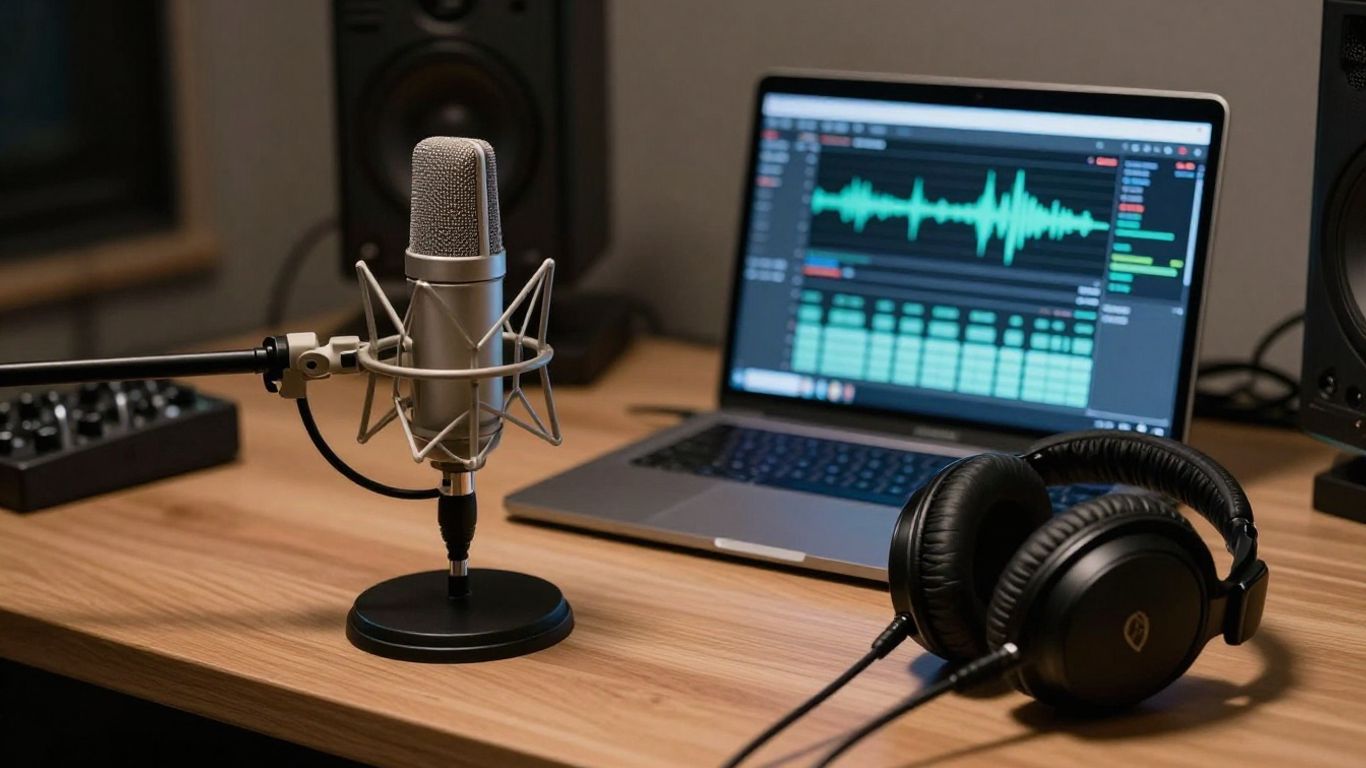
High-quality inputs directly influence the accuracy of the resulting AI video. You need clean audio to ensure the synchronization features function as intended. Do not overlook the details in your file preparation stage.
Requirements for MP3 and WAV file formats
Most systems work best with standard files; WAV provides the highest data density for AI to analyze. Keep your files clean and free of background noise that could confuse the rhythm detection systems. It is like setting up a Supreme Voice Control system to respond perfectly to your requests.
Optimizing audio quality for better AI synthesis
| Format Type | Quality Level | Best Use Case |
|---|---|---|
| WAV | High-Fidelity | Professional rendering |
| MP3-320 | Standard Digital | Quick social uploads |
| AIFF | Studio Quality | Maximum compatibility |
You need to maintain consistent audio quality so the visuals stay in sync. When the Covers.ai system processes your track, clear highs and lows help it define the beat structure more precisely. Ensure your normalization is balanced beforehand.
Handling copyright and licensing considerations
Always confirm you own the rights to the audio you upload to avoid platform bans. AI-generated music is a great option because it creates original assets from text, removing traditional legal friction. Using viral AI song methods is smarter when you generate from scratch.
Organizing project files for streamlined processing
Keep your project assets in specific folders labeled by song title. This small habit saves hours when you need to re-generate a specific clip. It is efficient to manage your AI song covers library in simple, local directories.
Creating original music or AI covers
You have the capability to build a full track simply by describing the vibe. Using technology like Creatus.AI allows for rapid experimentation with vocal performance and genre. This is how you master how to make ai cover song video creations that actually sound authentic.
Using text-to-song prompts to define genre and mood
Start with broad descriptors like tempo, mood, and specific instrumentation. The AI translates these words into musical elements, building the track from the ground up. You can define if the song is high-energy pop or downbeat acoustic.
Converting existing audio into AI-assisted vocal performances
Take your uploaded audio and layer AI vocal models on top for a fresh output. This helps you hear your composition in entirely new styles without needing a recording studio. Many creators look for a professional AI music app to do the heavy lifting.
Reviewing generation parameters to refine song structure
Check the rhythm and energy distribution after the first render. You can often adjust the structure, such as extending the chorus or adding a bridge, to better fit your visual goals.
Balancing lyric input with rhythmic timing
Your lyrics define the cadence that the vocal model follows. If they are too dense, the AI might rush the phrasing, so keep them rhythmatically aligned with the beat. Utilizing Singify’s tools helps you keep this balance tight.
Selecting visual styles for AI music videos
Visuals define the vibe as much as the audio track itself. You should pick a style that complements the energy and the pace of your song. Your audience should feel the connection through the screen.
Matching visual aesthetics to song and genre themes
Darker, cinematic visuals work well with moody tracks, while bright or abstract patterns suit fast-paced electronic genres. You do not want the visuals to distract from the lyrics unless that is your specific creative intent. Make sure the mood is consistent, and click here to review our platform for more style options.
Working with cinematic versus abstract visual models
Cinematic models create realistic lighting and camera movements that feel professional. Abstract models use shapes and colors that pulse to the beat. Both have their place in a narrative-driven project.
Utilizing automated synchronization features for motion
Most modern tools automatically match the frame cuts to the audio’s frequency. This takes the manual labor out of editing and ensures your video feels reactive.
Implementing narrative elements through visual prompts
Write prompts that describe specific scenes rather than just moods. If you want a character walking through an urban rain, spell that out so the AI builds a coherent scene over your track.
Optimizing exports for social media platforms
Your final file must fit the platform’s requirements to maximize reach. Improper sizing often leads to blurry or awkwardly cropped content on mobile screens.
Choosing the right aspect ratios for TikTok, Reels, and Shorts
Vertical video is the gold standard for mobile traffic. Always export in 9:16 to make sure every pixel looks deliberate on these platforms.
Adjusting resolution settings for professional platform standard
Aim for 1080p at 30 or 60 frames per second. Going higher often creates massive files without noticeable benefits for mobile streaming, and lower resolutions can look pixelated.
Finalizing export files for direct mobile uploading
Ensure your export uses a standard codec like H.264 so it uploads without re-encoding errors. Transferring files directly to your mobile device keeps the resolution sharp and ready for the app’s upload interface.
Testing content compatibility across multiple social channels
Upload a draft to private accounts on different services to verify the quality. Check for audio lag or visual stuttering before you broadcast the final version to your followers.
Conclusion
Mastering the process of AI-assisted music video production involves clear preparation, thoughtful style choices, and simple export habits. Follow the platform-specific rules for resolution and ratio to place your content directly in front of the right audience, ensuring your creative vision translates effectively across all digital spaces.
Frequently Asked Questions
Can I generate an entire music video from a text prompt?
Yes, modern platforms allow you to input a song idea and generate both the audio track and the corresponding video visuals in one complete workflow.
What file formats should I use for audio uploads?
Using WAV files is recommended because they provide superior audio data, which helps the AI precisely analyze rhythm and mood for better synchronization.
Are these AI music videos suitable for use on TikTok?
These videos are highly compatible with platforms like TikTok, provided you export them in the required 9:16 vertical aspect ratio for optimal viewing on mobile devices.
Does the generator handle vocals as well as music?
Advanced tools include AI vocal synthesis, meaning they can generate singing performances as part of the composition rather than just creating instrumental background tracks.
How long does it take for a video to be rendered?
Rendering times depend on the complexity of your visual prompts and the length of the video, but most modern generators produce results in just a few minutes.
Can I use my own voice in an AI music cover?
Yes, you can often upload your own vocal samples to train or apply to a voice model, allowing the AI to perform your favorite tracks in your specific tone.
Are there costs involved with these AI tools?
Most platforms offer a free tier with basic features and paid plans that unlock higher resolution, more voice models, and faster rendering speeds for frequent creators.