Hey there! So, you want to know what’s up with AI in the music world in 2026? It’s a wild ride, honestly. Things have changed a lot, and it’s not just about robots making beats anymore. We’re talking about tools that help you write songs, make music videos, and even figure out what listeners really want. It’s getting pretty interesting, and you might be surprised at how much is happening.
Key Takeaways
- AI music generation is booming, with lots of people unable to tell the difference between AI and human-made songs. Tools that create both music and videos in one go are becoming really popular.
- Creating music with AI is getting easier, with tools that help with writing, producing, and even adding vocals. This means less time switching between different software for musicians and creators.
- There’s a big focus on making AI tools ethical, especially when it comes to using artists’ work and making sure copyright is handled right. Transparency is key.
- AI is changing how we find new music, offering super personalized experiences. But, it’s also making it harder for new artists to get noticed, so human curators are still super important.
- AI is becoming a partner for musicians, opening up new creative ideas and speeding up how quickly they can make music. It’s all about working together.
The Evolving Landscape Of AI In Music Industry 2026
Generative AI’s Market Trajectory
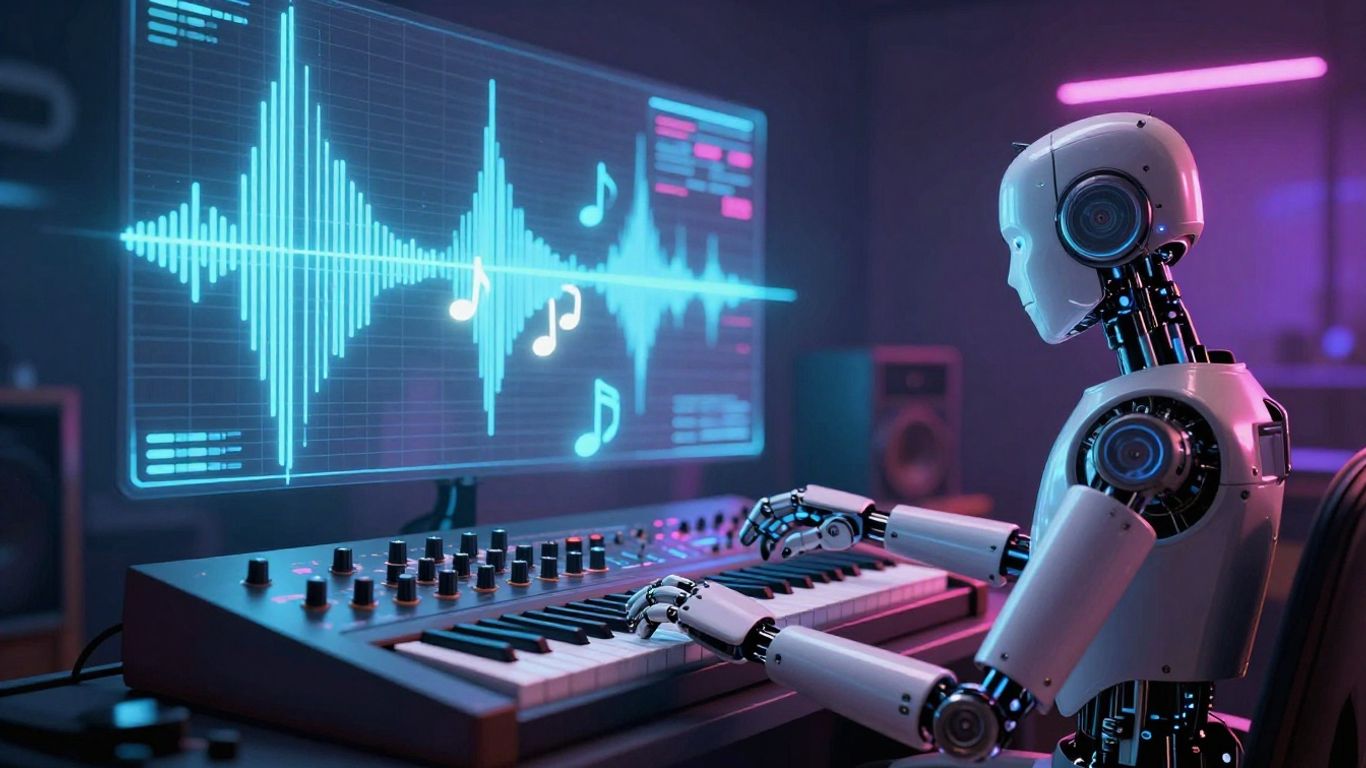
The generative AI market in music is really taking off. We’re seeing numbers like $558 million to $1.5 billion in 2024-2025, with projections hitting $7.4 billion to $14 billion by 2034-2035. That’s a compound annual growth rate of about 26.5% to 28.5%. Cloud-based solutions are leading this charge, making up over 70% of the market share. North America is still the biggest player, but the Asia Pacific region is growing the fastest.
Key Drivers For AI Adoption
Several things are pushing AI into music creation. For starters, there’s a big push for ethical model training. Artists want their sound respected, and frameworks using licensed music are becoming standard. This means compensation and consent are built-in. Plus, AI is getting really good at personalized creation. Brands and producers use it to keep a consistent sound across marketing and film projects. Finally, multi-modal generation is a game-changer, letting AI combine text, emotions, and styles to create music that fits specific moods and situations.
Listener Perception Of AI Music
It’s getting harder to tell AI music from human-made tracks. Studies show that most listeners, around 82%, can’t accurately distinguish between the two. Some platforms, like Deezer, are labeling fully AI-generated songs to be upfront with listeners. They also keep these tracks out of main recommendations to give human artists more space. Spotify has also tightened policies against things like voice cloning to protect artists and prevent spam.
The lines between human and machine creativity are blurring faster than anyone predicted. While this opens new doors, it also means we need clearer standards for transparency and artist rights.
Integrated Workflows For Music Creation And Visuals
Combining Songwriting And Video Production
Forget juggling multiple applications. You can now write lyrics, generate a song with AI vocals, and then create a music video, all within a single platform. This integrated approach means you spend less time switching between tools and more time on the creative process itself. It’s about making the entire journey from idea to finished product smoother.
Eliminating Tool Switching For Creators
Imagine starting with a text prompt for a song and ending with a fully produced music video. Tools like Creatus AI are making this a reality. They combine text-to-song generation with AI singing vocals and audio-to-video production. This means you don’t need separate subscriptions or complex workflows to get your music visualized. You can go from a lyrical idea to a shareable video without leaving the application.
AI Singing Vocals: A Core Feature
AI-generated singing vocals are no longer an afterthought; they’re a central feature in many new music creation tools. You can now generate complete songs, including vocal performances, directly from text prompts or lyrics. This capability significantly speeds up production, especially for independent artists or content creators who might not have access to vocalists. It opens up new possibilities for creating full tracks quickly and efficiently.
Competitive Analysis Of AI Music Video Tools
When you’re looking to create music videos with AI, you’ll find a few different types of tools out there. Some are built specifically for making music videos from your audio, while others are broader video platforms that can handle music content. Understanding these differences helps you pick the right tool for your project.
Dedicated Music Video Generators
These tools focus solely on turning your audio into a visual experience. They often have features tailored for music, like beat syncing or audio-reactive visuals. You’ll find platforms that specialize in taking a finished song and generating a video, or even tools that can create a video directly from a text prompt and audio.
- Neural Frames: Offers frame-by-frame editing and timeline control, supporting various AI models for visuals. It’s great for detailed control over your video’s look.
- Freebeat: Features like automatic shot planning and lip-syncing make it easy to create performance-style videos. It acts like an AI director for your music.
- Revid.ai: Excels at fast, beat-synced video generation with lyric captions. It’s ideal for quick content creation, especially for social media.
- Plazmapunk: Uses multiple AI models and allows scene scripting for unique audio-reactive experiences. It’s a bit more niche but offers creative depth.
Broader AI Video Platforms
These are more general AI video creation tools that can also be used for music videos. They might offer a wider range of AI features beyond just music video generation, like avatar creation or text-to-video. While they can be versatile, they might not have the same specialized music video features.
- LTX Studio: This platform is geared towards cinematic output and supports various audio formats. It’s powerful but not specifically designed for music videos.
- InVideo: Provides a broad template library and editing tools, including a "Magic Box" feature. It’s a good all-around option if you need more than just music video creation.
- TopMediai: Focuses on turning photos and audio into videos, with theme customization. It’s a solid choice if you want to incorporate still images into your music video.
- Vidnoz: Offers a free tier with multiple avatar and style options. It’s accessible for beginners, though the free version has limitations.
Key Differentiators For Success
When you’re comparing these tools, look at what makes them stand out. The ability to combine song creation and video production in a single workflow is a major advantage. Tools that eliminate the need to switch between different software for audio and visuals save you time and hassle.
Consider these points:
- Integrated Workflows: Does the tool let you generate a song and its video without leaving the platform? This is becoming a big deal.
- AI Singing Vocals: Some tools can generate not just music, but also full vocal performances, which is a significant step up.
- Customization and Control: How much control do you have over the final output? Look for features like timeline editing, scene scripting, or advanced AI model support.
- Pricing and Accessibility: Is there a free tier or affordable plans? Tools like Creatus offer a free tier and combine text-to-song with audio-to-video, making them quite competitive.
The market for AI music video tools is rapidly evolving. While dedicated platforms offer specialized features, integrated solutions that handle both music and video creation are gaining traction. Your choice will depend on whether you prioritize deep video customization or a streamlined, all-in-one creation process.
Ethical Considerations And Industry Standards
Addressing Copyright And Licensing
The rise of AI in music creation brings up some big questions about who owns what. You’ve probably wondered if AI is being trained on copyrighted songs without permission. It’s a valid concern. The industry is still figuring out how to handle royalties when AI is involved.
Clear guidelines are needed to ensure artists are compensated and their work is respected. Partnerships are forming to tackle this, like the one between Warner Music Group and Stability AI. They’re working on ways to make AI music creation more responsible. This conversation is ongoing, and the next few years will be key in shaping fair practices.
The Importance Of Ethical Model Training
Artists today expect their unique sound to be protected. This means AI models need to be trained ethically. Frameworks that use licensed music catalogs are becoming the standard. This approach ensures that artists give consent and are compensated for their contributions.
It also makes sure there’s a clear record of where the training data came from. This builds trust between creators and the AI systems they use. Responsible innovation is what promotes this trust. It allows producers to access legal sounds that fit their projects without worry.
Transparency In AI Music Production
When you use AI tools, you should know how they work. Transparency in AI music production means understanding the data used for training and the algorithms involved. This helps build confidence in the technology. It’s about knowing that the AI isn’t just copying existing work without credit.
The focus in 2026 is on creative accountability. This means AI systems are designed to be clear about their processes and outputs. It’s not about replacing musicians, but about providing tools that work alongside them. This approach helps maintain the integrity of the music creation process.
AI’s Impact On Music Discovery And Curation
AI is changing how you find new music. Think about conversational tools that let you ask for songs based on mood or activity. These systems go beyond simple algorithms, digging deeper to suggest tracks you might genuinely connect with. You could discover niche genres or artists you’d never stumble upon otherwise.
Personalized Listening Experiences
AI excels at tailoring recommendations. It learns your listening habits, preferences, and even the context of your listening sessions. This means your music feeds become more relevant, serving up a constant stream of music that fits your current vibe. You get a more curated experience without lifting a finger.
Challenges For Emerging Artists
While AI can personalize discovery, it also presents hurdles for new artists. AI models often rely on existing data, meaning they might favor established sounds and artists. This can make it harder for emerging talent to get noticed if their music doesn’t fit the established patterns. You might miss out on some fresh sounds if you only rely on AI.
The Enduring Role Of Human Curation
This is where human curators still shine. DJs, playlist makers, and music critics bring a unique perspective. They can highlight artists based on artistic merit, cultural relevance, or sheer originality, not just data points. Human curation adds a layer of context and discovery that AI currently can’t replicate. It ensures a diverse musical landscape, preventing everything from sounding the same.
AI As A Collaborative Tool For Musicians
Expanding Creative Possibilities
AI isn’t here to replace you; it’s here to give you more options. Think of it as a new instrument or a studio assistant that never sleeps. You can use AI to explore musical ideas you might not have considered on your own. It can help you break through creative blocks by suggesting melodies, harmonies, or even entire song structures based on your input. This opens up new avenues for experimentation, letting you blend genres or create sounds that were previously difficult to achieve.
Accelerating Production Workflows
Your time is valuable, and AI can help you make the most of it. Instead of spending hours on repetitive tasks, you can let AI handle them. Need a basic drum beat or a string arrangement? AI can generate these quickly, giving you a foundation to build upon. This means you can move from initial idea to a polished demo much faster. You can draft a cinematic score or a commercial jingle in minutes, then refine it manually.
Empowering Artists Through Technology
AI tools are becoming more accessible, putting powerful creative capabilities directly into your hands. You don’t need a massive budget or a dedicated studio to experiment with advanced music production techniques anymore. AI can help you generate backing tracks, experiment with different vocal styles, or even create accompanying visuals for your music. This technology helps level the playing field, allowing more artists to bring their visions to life without relying on external resources.
Future Trends In AI Music Technology
AI-Assisted Emotional Mapping
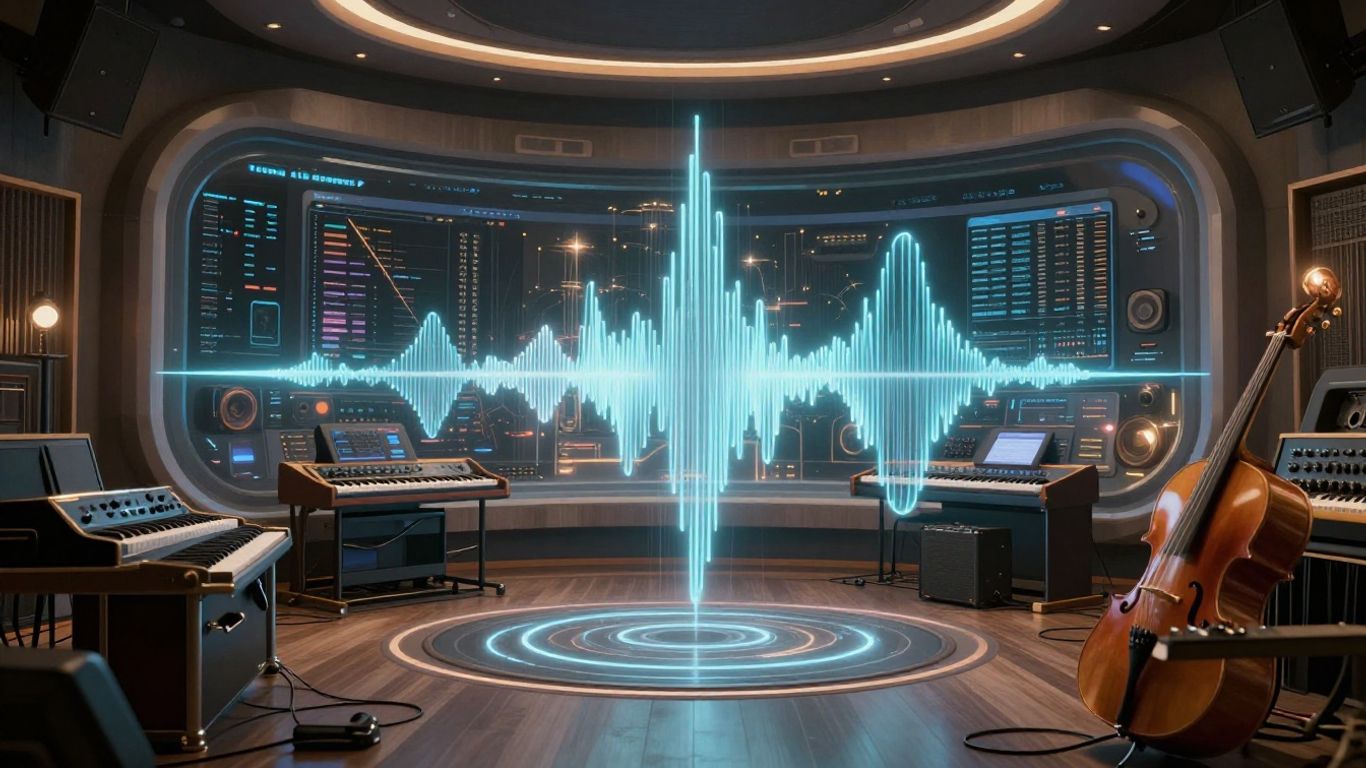
AI is getting better at understanding and even replicating human emotion in music. You’ll see systems that can analyze listener feedback in real-time. This means mixes could adjust automatically based on how a song makes people feel. It’s about creating a more responsive and personalized listening journey.
Global DNA Libraries For Sonic Identity
Imagine having access to a vast library of "sonic DNA" from artists worldwide. These libraries will allow you to incorporate specific regional styles or timbres into your music. Think about easily adding authentic Korean pop sounds or intricate Afrobeat rhythms. This opens up new avenues for global musical fusion.
Cross-Reality Music Production
Music creation is expanding beyond traditional stereo. You’ll be able to produce tracks designed for multiple realities simultaneously. This includes music for spatial audio in VR environments and augmented reality experiences. Your sound will be crafted to fit wherever listeners are.
The future of music tech isn’t just about making sounds; it’s about crafting experiences. AI is moving beyond simple generation to become a partner in understanding and delivering emotional impact across different listening environments. You’ll find yourself working with tools that anticipate listener response and adapt soundscapes for immersive digital spaces. This shift means music will be more integrated into our digital lives than ever before.
Here’s a look at what’s developing:
- Emotional Mapping: AI analyzes listener reactions to fine-tune mixes. This allows for dynamic adjustments based on mood and engagement.
- Global DNA Libraries: Access to diverse sonic palettes from around the world. You can easily blend unique regional musical characteristics into your work.
- Cross-Reality Production: Create music simultaneously for traditional audio, spatial audio, and AR/VR platforms. Your compositions will be ready for any dimension.
The world of music is changing fast with new AI tools. Imagine creating amazing music just by typing what you want! This is becoming a reality, and it’s super exciting. Want to see how this cool tech works and maybe even try it yourself? Head over to our website to explore the future of music creation.
Wrapping Up: What’s Next for AI in Music?
So, where does all this leave us in 2026? AI in music isn’t some far-off future thing anymore; it’s here, and it’s changing how we make and consume music. You’ve seen how tools can now generate full songs with vocals from just a text idea, and even turn those songs into music videos without needing a film crew. It’s making things faster and more accessible, especially for creators who don’t have big budgets or teams. While there are still big questions about copyright and how to keep things fair, the trend is clear: AI is becoming a regular part of the music-making toolkit. You can expect more platforms to offer integrated solutions, making it easier for you to go from a simple idea to a finished track and visual. It’s less about AI replacing artists and more about giving you new ways to bring your music to life.
Frequently Asked Questions
What’s the deal with AI making music and videos?
Imagine typing a song idea, and an AI creates the whole tune with singing, then turns it into a music video. Tools like Creatus AI do just that! It’s like having a super-smart creative partner that handles both the music and the visuals, so you don’t have to jump between different apps. It’s changing how easy it is to make cool content.
Can people actually tell if music is made by AI?
It’s getting really tough! Studies show that most listeners can’t tell the difference between music made by humans and music made by AI. This means AI is becoming super good at creating believable and enjoyable songs. It’s a big reason why AI is popping up everywhere in the music world now.
Is AI going to take over music jobs?
That’s a big worry for many, but it’s more about how things are changing. AI can help speed up tasks like writing lyrics or creating background music, which can be awesome for artists. However, human creativity, emotion, and unique ideas are still super important. Think of AI as a tool that helps artists, not a replacement for them.
What about copyright for AI music?
This is a tricky one that people are still figuring out. Since AI learns from tons of music, there are questions about who owns the copyright for AI-generated songs and if the original artists are being treated fairly. Companies are working on ways to make sure AI music is created ethically and legally.
How does AI help me discover new music?
AI is getting really good at understanding what you like and suggesting new songs or artists you might enjoy. It can go beyond just popular hits and introduce you to niche genres or up-and-coming artists you might have missed. It’s like having a personal DJ that knows your taste inside out.
What’s the future of AI in music like?
Get ready for even cooler stuff! Imagine AI helping music match your exact mood, or creating music that sounds unique to different parts of the world. We might even see music made for virtual reality or augmented reality experiences. AI is set to keep pushing the boundaries of what’s possible in music.