So, you’ve been hearing about these AI song generators and wondering how they actually make music. It’s pretty wild stuff, right? You type in a prompt, and boom, you get a song. But what about the instruments? Are they pulling from real recordings, or is it all just digital magic? Let’s break down what’s really going on behind the scenes when you use one of these tools.
Key Takeaways
- AI song generators don’t directly use recordings of real instruments. Instead, they create sounds digitally, often by analyzing vast amounts of existing music data.
- These AI models learn patterns, melodies, and instrumental textures from this data to synthesize new audio, mimicking the sounds of real instruments.
- While the sounds are generated, they can be very convincing, making it hard for listeners to tell the difference between AI-created and human-played instruments.
- Platforms like Suno and Udio are popular for creating full songs with vocals and instrumental backing, but they generate all sounds algorithmically.
- Creatus AI offers a unique approach by combining song generation with music video creation in one workflow, still relying on AI for all audio elements.
Understanding AI Song Generation Technology
AI song generators are pretty wild. They use complex computer programs to create music. Think of it like a digital composer that’s learned from a massive library of songs.
How AI Models Create Music
These AI models work by analyzing huge amounts of existing music. They pick up on patterns, structures, and styles. Then, they use this knowledge to generate entirely new musical pieces. It’s not magic; it’s advanced pattern recognition and synthesis. This process allows for the creation of original music across various genres and moods without direct human composition. This technology is constantly evolving.
The Role of Data in AI Composition
Data is the fuel for AI music creation. The more music an AI model is trained on, the better it becomes at understanding musical elements. This includes melody, harmony, rhythm, and even instrumentation. Without this vast dataset, the AI wouldn’t have the foundation to create anything coherent.
Distinguishing AI from Human Creation
It can be tricky to tell AI-generated music apart from human-made tracks. Sometimes, AI music might sound a bit too perfect or lack a certain emotional depth. However, many AI tools are getting incredibly good at mimicking human creativity. You might find that AI music serves as a great starting point, but often needs a human touch to really shine. Many creators use these tools as a collaborative partner.
The Sound of AI: Instruments and Vocals
AI-Generated Vocals vs. Sampled Voices
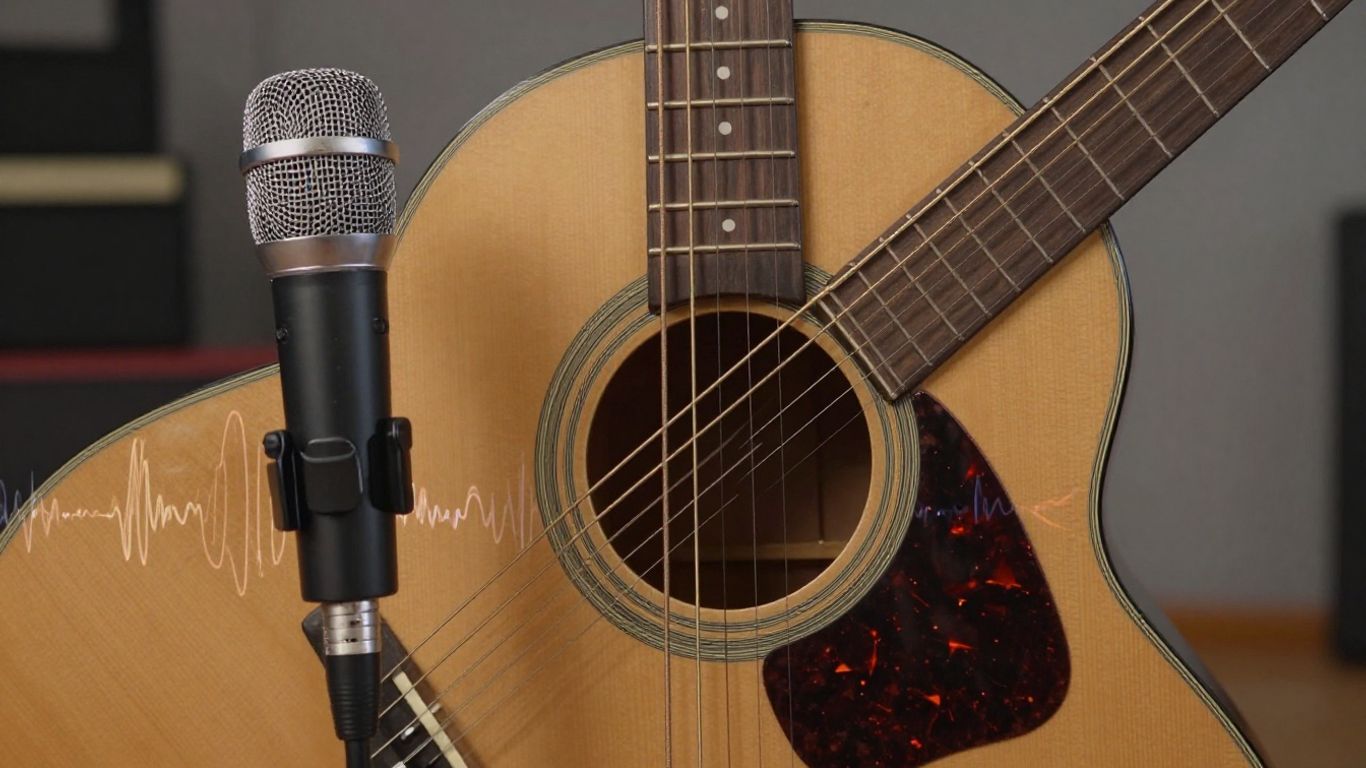
AI can create vocals that sound surprisingly human. These AI voices are generated from scratch, learning patterns from vast amounts of human singing data. This allows for unique performances that can adapt to different styles and emotions.
Some tools focus on generating entirely new vocal performances. Others might use sampled voices, which are pre-recorded snippets of human singing. The quality can vary, but many platforms now offer professional-sounding AI vocals. You can even find tools that let you clone voices, though this raises ethical questions.
Simulating Real Instruments with AI
AI models don’t typically
AI Song Generators and Real Instruments
Do AI Song Generators Use Real Instruments Directly?
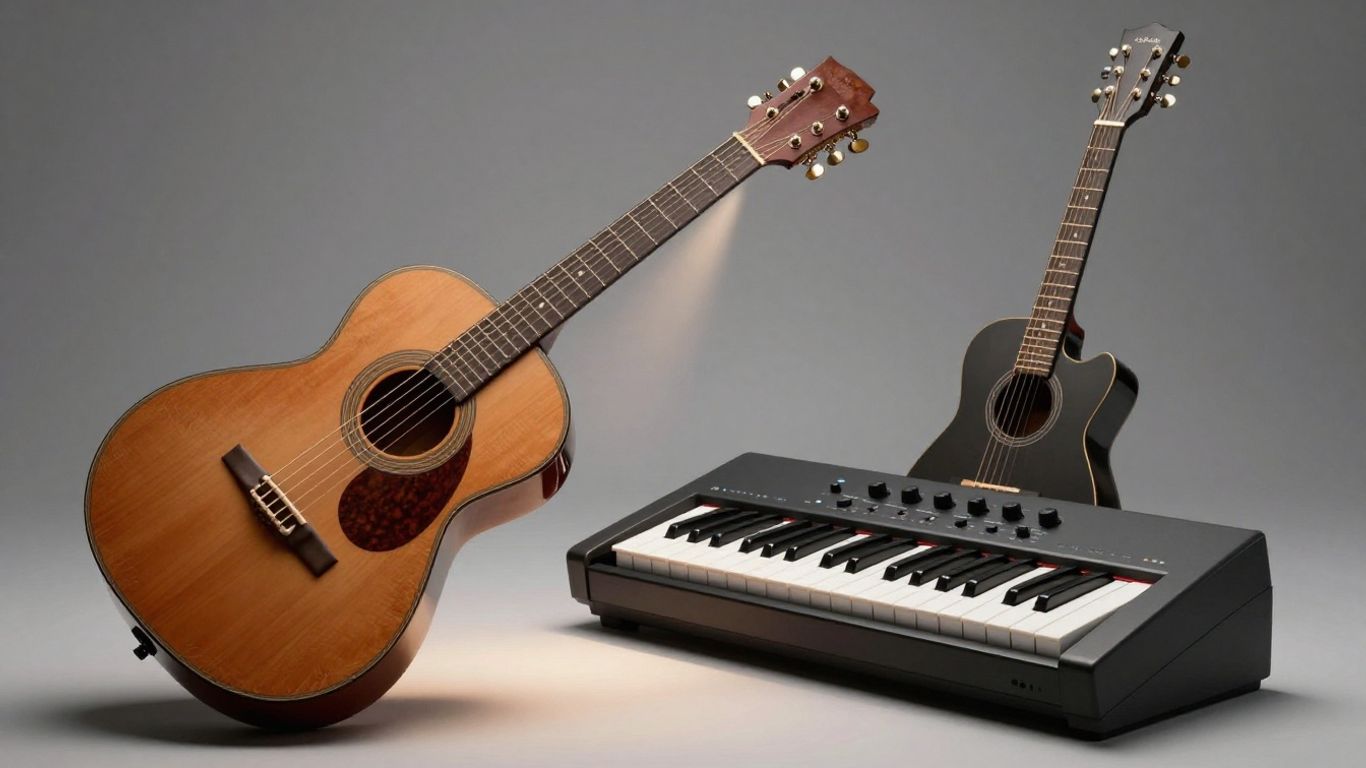
This is a common question, and the short answer is generally no, not in the way you might think. AI song generators don’t typically have a physical studio filled with guitars, pianos, and drums that they plug into. Instead, they work with digital representations of sounds.
These tools use vast datasets of existing music to learn what different instruments sound like. When you ask for a song with a "rock guitar," the AI doesn’t pick up a real guitar. It synthesizes a guitar sound based on the patterns and characteristics it learned from countless recordings of real guitars. This process is more about digital synthesis and sampling than direct instrument usage.
AI’s Approach to Instrumental Sound Palettes
AI models create instrumental tracks by generating audio waveforms that mimic real instruments. They can combine and manipulate these synthesized sounds to build complex arrangements. Think of it like a digital painter using a palette of colors; the AI uses a palette of synthesized instrument sounds.
Some advanced AI tools can even generate unique instrumental textures that don’t perfectly match any single real instrument. This allows for a lot of creative flexibility, letting you explore sounds that might be difficult or impossible to achieve with traditional methods. You can often specify genres, moods, and even specific instrument types to guide the AI’s output.
The Perception of Authenticity in AI Music
Whether AI music sounds authentic is subjective and depends heavily on the quality of the generation. Early AI music often sounded robotic or uninspired. However, the technology has advanced significantly.
Many AI generators now produce music that is remarkably close to human-created tracks. The key is often in the details: the subtle imperfections, the dynamic range, and the emotional nuances that human musicians bring. While AI can replicate many aspects, capturing that full human element is still an ongoing area of development. You might find that some AI-generated tracks are indistinguishable from human compositions, while others still have a tell-tale digital sheen. It’s worth exploring different platforms to see what quality you can achieve for your needs, perhaps starting with tools like Suno and Udio.
The goal of AI in music generation isn’t always to perfectly replicate reality. It’s often about creating new sonic possibilities and making music creation more accessible. The line between synthesized and
Exploring Popular AI Music Tools
Suno and Udio: Leading the Pack
When you’re looking at AI music generators, Suno and Udio are often the first names you’ll hear. Suno is known for its ability to create full songs, complete with vocals, from simple text prompts. It’s pretty user-friendly, making it a good starting point if you’re new to this.
Udio is another strong contender, often praised for offering a bit more control over the music generation process. While both can produce impressive results, they approach song creation slightly differently. You’ll find they excel at different tasks, so trying both is a good idea.
Creatus AI: A Combined Approach
Creatus AI offers something a little different. It’s not just about making music; it’s a two-in-one tool that combines AI song generation with AI music video production. This means you can type in your idea, get a song with vocals, and then immediately create a music video for it, all within the same platform.
This integrated workflow is a big plus if you’re looking to produce complete music content without switching between multiple tools. It’s part of a larger AI workspace, giving you access to other creative AI features too.
Other Notable AI Music Platforms
Beyond Suno and Udio, the landscape is full of other interesting tools. Platforms like Mubert focus on generating endless streams of music, often used for background tracks or content creation. Soundraw offers quick instrumental generation with simple customization options.
For those interested in more specific genres, AIVA is known for its classical and cinematic compositions. Each platform has its own strengths, whether it’s ease of use, specific musical styles, or integration with other creative workflows. Exploring these can help you find the perfect fit for your needs. You can even explore how to transform vocals into professional instruments using AI tools like these.
When you’re picking a tool, think about what you need most. Do you want full songs with vocals, or just instrumental tracks? How much control do you want over the final output? Consider the user interface, the quality of the audio, and the pricing. Many platforms offer free tiers, which are great for testing the waters before committing to a paid subscription. Always check the licensing terms to understand how you can use the music you create.
Practical Considerations for Users
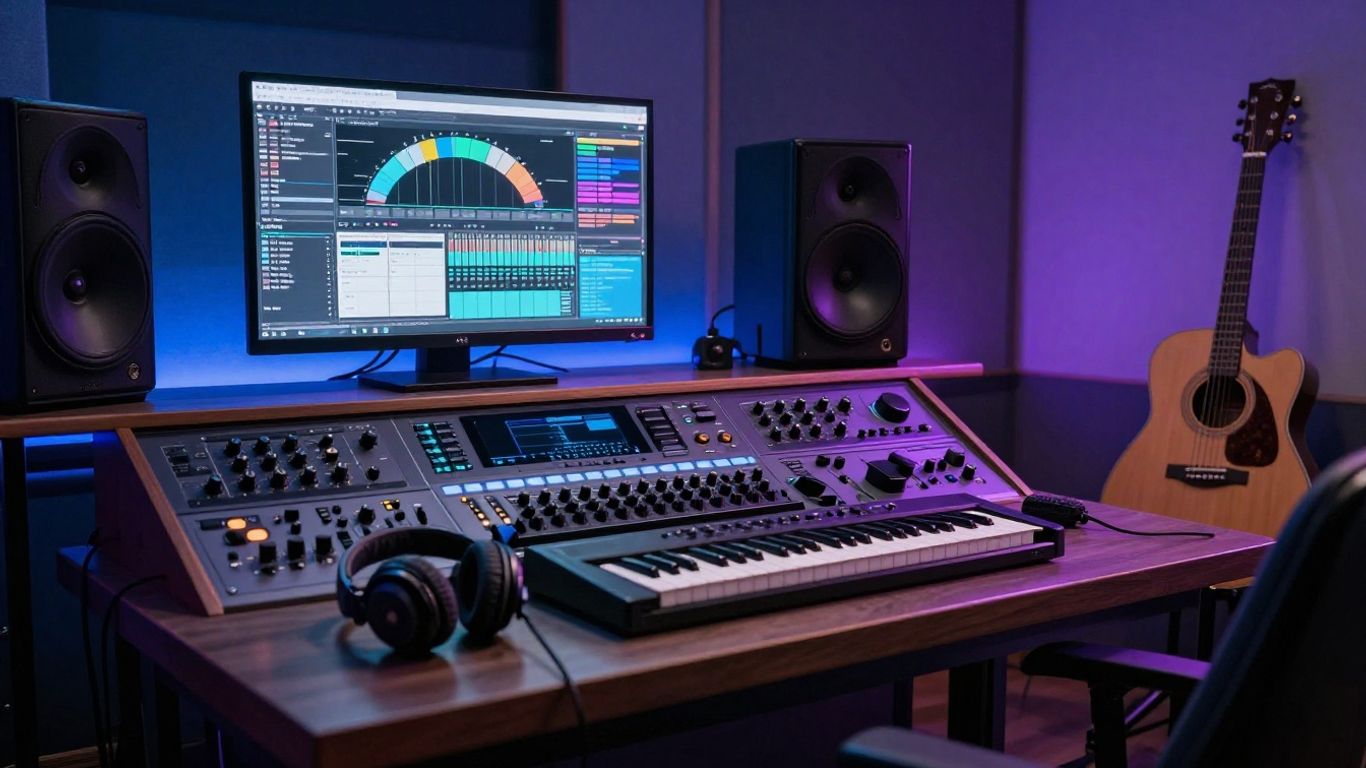
When you start using AI song generators, there are a few things to keep in mind. It’s not just about typing in a prompt and getting a perfect song. You’ll want to think about how you’ll use the music and what quality you need.
Evaluating Audio Quality and Export Options
Not all AI music sounds the same. Some tools produce tracks that sound a bit thin or robotic, while others can create surprisingly rich audio. Pay attention to the output quality. Look for generators that offer high-fidelity export options, like uncompressed WAV files. This gives you the most flexibility later on. If you plan to mix the AI track with your own recordings, exporting individual instrument stems can be a game-changer. This lets you control each part of the mix yourself.
Customization and Control in AI Music
While AI can generate music quickly, you often need to tweak it. Most tools let you adjust basic parameters like genre, tempo, and key. Some go further, allowing you to change chord progressions or melodies. Think about how much control you need. If you want to fine-tune every aspect, you’ll need a more advanced tool. For simpler needs, a generator that offers a few key adjustments might be enough. You can even try combining outputs from different AI systems to get a more unique sound.
Understanding Licensing and Usage Rights
This is a big one. Before you use AI-generated music in a project, especially a commercial one, you need to understand the licensing terms. Who owns the music? Can you use it for profit? Many platforms now provide clear guidelines, but it’s your responsibility to read them. Some AI music tools offer clear licensing terms that specify commercial usage rights, helping you avoid ownership uncertainties. Always check the terms of service to make sure you’re covered.
The legal landscape for AI-generated content is still developing. It’s wise to be cautious and ensure you have the rights to use the music as intended, particularly for public or commercial releases. Treat AI music as a starting point that you can then shape and refine with your own creative input.
The Future of AI in Music Creation
Advancements in AI Musicality
AI’s ability to write music is improving fast, and it’s not slowing down. Every year, new tools appear that can write more complex melodies, mix creative rhythms, and adjust sounds to fit any mood or style you want. You don’t have to wait hours for inspiration—AI gives you musical drafts on demand, whether you’re making a pop song or background music for a video. A big reason for this growth is cloud-based platforms, which now handle nearly three-quarters of the market.
| Year | Global AI in Music Market (USD) | % Growth Rate |
|---|---|---|
| 2024-2025 | $558.4M–$1.54B | 26.5–28.5% |
| 2034-2035 | $7.4B–$14B | – |
AI as a Collaborative Tool for Musicians
You get more than just a robotic assistant. AI is now a real partner in songwriting and production. Think of AI as a musical co-pilot: it handles technical details and quick drafts while you add feeling and creativity. Most musicians use AI for producing demos, scoring background music, or arranging ideas they’d otherwise spend hours on. Not just for pros—anyone can jump in and see results in minutes, even without music training.
- Prototype new songs quickly.
- Reduce production costs (no need for big studios or session musicians).
- Get inspiration or overcome writer’s block anytime.
AI music tools won’t replace your creativity—they help you break through creative roadblocks and keep music production accessible.
The Evolving Landscape of AI Songwriting
Music made by AI is everywhere—on social media, ads, and even podcasts. Platforms like Suno or Creatus are leading the charge with tools that offer voices, instruments, and one-click full tracks. Licensing and copyright rules are finally catching up, so you know what rights you actually have with your AI-generated tunes.
There’s still debate about whether AI songs sound as "real" as traditional music. That perception is changing quickly. New research says over 80% of listeners can’t tell if a song was made by a machine or a person. As technology moves forward, humans and AI will keep teaming up.
For more detail on AI’s influence in the music industry, see this overview of AI music creation.
Imagine AI helping you write songs or even create brand new music! It’s like having a super-smart music buddy. This technology is changing how we make tunes, opening up cool new ways to be creative. Want to see what AI can do for music? Check out our website to learn more and even try it yourself!
So, Do AI Song Generators Use Real Instruments?
Alright, let’s wrap this up. When you’re using an AI song generator, you’re not hearing a real guitar or a live drummer in the traditional sense. What you’re getting is a digital creation, built from code and algorithms that mimic the sounds of instruments. Think of it like a super-advanced synthesizer or sampler. Tools like Creatus AI can even put vocals on top, making it sound like a full track. It’s a different process than a band in a studio, but the end result can be surprisingly good for your projects. You’re essentially getting a digital performance, not a recording of physical instruments being played.
Frequently Asked Questions
Do AI song generators actually use real instruments?
No, AI song generators don’t use real instruments when making music. Instead, they use computer models that copy the sound of real instruments. These models are trained by listening to lots of songs and recordings, so they can create music that sounds like a guitar, piano, or drums, but everything is made by the computer.
How do AI song generators make music sound so real?
AI song generators sound real because they use tons of examples from real music to learn what different instruments and voices sound like. When you ask the AI to make a song, it mixes together these learned sounds and patterns to build a new track. It’s like a digital puzzle that fits together notes and beats to make music that feels real, even though it’s all computer-made.
Can I use AI-generated music for my videos or projects?
Yes, you can use AI-generated music for your videos, podcasts, or social media, but you should always check the rules for each tool. Most platforms let you use their music for personal or even commercial projects, but some might have limits or ask you to pay for full rights. Always read the licensing details before you publish your project.
Are AI-generated vocals the same as real singing?
AI-generated vocals are made by computers and can sound a lot like real singers, but they’re not actually people singing. The AI blends together sounds and words to create a singing voice. Sometimes it sounds very close to a real person, but it might miss some of the emotion or special touches that human singers add.
Which AI music tools are the most popular right now?
Some of the most popular AI music tools are Suno, Udio, and Creatus AI. Suno and Udio are great for making full songs with vocals, while Creatus AI stands out because it can turn your song into a music video too, all in one place. There are also other tools like Mubert, Boomy, and Soundverse for different music needs.
Do I need to know music or tech skills to use an AI song generator?
Nope! Most AI song generators are made for everyone, so you don’t need to know how to play an instrument or be a tech expert. You just type in your idea or pick a style, and the AI does the rest. Some tools even let you upload your own audio or lyrics to help shape the song.