Key Takeaways
AI music production shifts are changing how independent artists approach creativity at home.
- AI tools augment composition without strictly removing the human element.
- High demand for consistent visual social content drives industry adoption of AI.
- Human musicians retain an advantage in emotional and unscripted performance contexts.
- Professional workflows benefit from consolidating music and video creation.
- Legal and ownership questions remain at the forefront of the industry debate.
The current reality of AI in music production
Augmentation versus outright substitution
You see a lot of noise about whether algorithms will push artists out of the industry. Reality suggests a shift toward augmentation rather than total replacement where AI enhances your creative process without stripping away your unique artistic voice. Think of these models as instruments that broaden your palette rather than agents of obsolescence.
The evolving definition of a musician
The role of a musician now encompasses curation and prompt engineering alongside traditional composition. You use advanced platforms to iterate through musical ideas at speeds that were once impossible. This shift challenges you to rethink what it means to be a creator in a digital-dominated era.
Addressing the technical barrier to entry
Traditional music production required expensive studios and years of mastering DAW software. Platforms such as Creatus.AI tear down those barriers, letting you generate high-quality audio outputs from simple text prompts. You can now bridge the gap between initial thought and finished track without needing an engineering degree.
Shifts in the music content industry
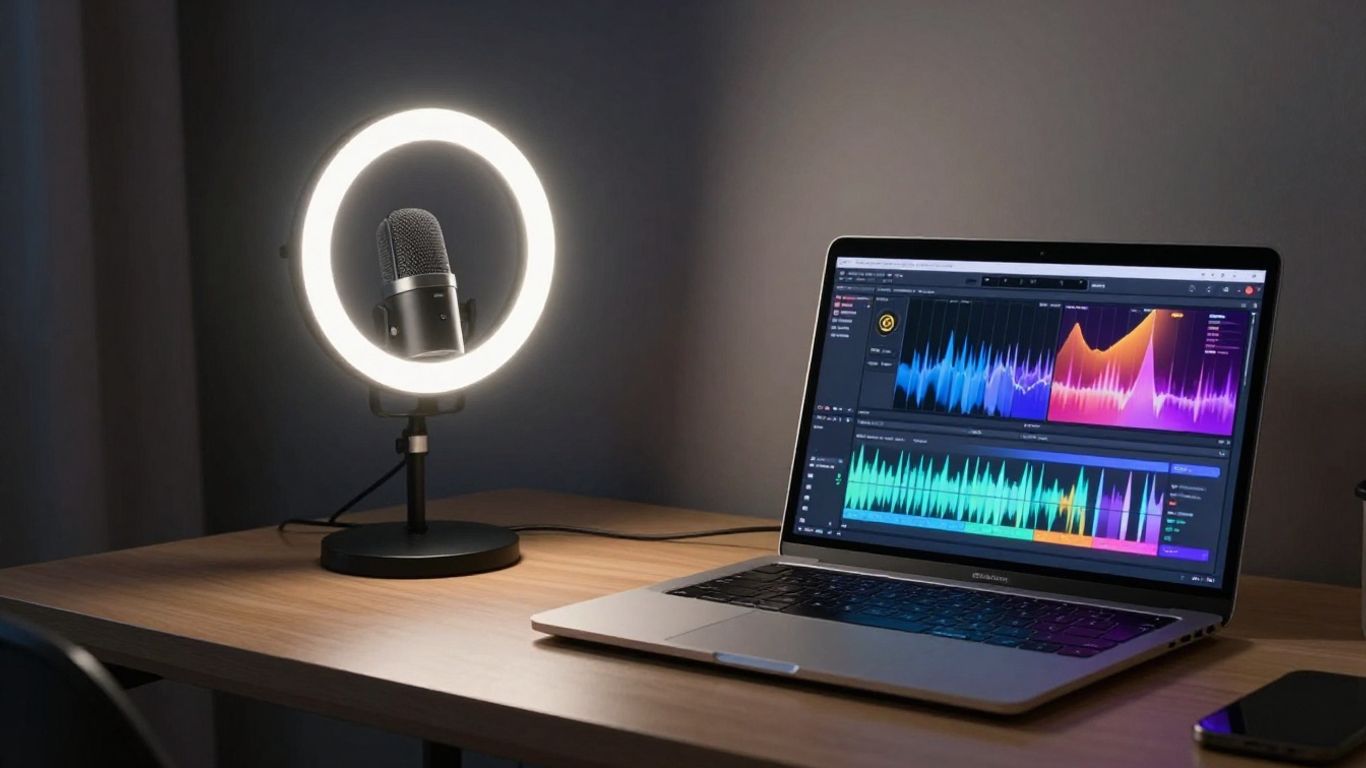
High-volume demand for social media assets
The modern creator economy requires a constant stream of visual and auditory content to stay relevant. You find yourself under pressure to output daily clips that match professional standards to keep your audience engaged. Many artists utilize Animator Hub to generate these assets because the platform handles complex workflows without restrictive filters.
Streamlining the audio-to-video workflow
Combining song creation with visual production used to require two separate subscription stacks and tedious file exports. You save significant time by utilizing integrated tools that handle both audio and visual synchronization. This table outlines the typical time savings you encounter when moving from manual to integrated production workflows.
| Process Step | Manual Time | AI Integrated Time | Improvement |
|---|---|---|---|
| Track Generation | 4-6 Hours | 10 Minutes | High |
| Visual Matching | 3-5 Hours | 15 Minutes | High |
| Final Export | 1 Hour | 5 Minutes | Medium |
Economic impacts for independent producers
You gain a competitive edge by keeping production costs low while maintaining high-volume output. A typical set of tools available to you now includes:
- Automated beat composition for consistent backing tracks.
- AI-led visual synchronization to match rhythmic intensity.
- Rapid export formats optimized for vertical video platforms.
- Dynamic licensing models that keep your content copyright-secure.
This leaner approach prevents high overhead from stifling your independent career growth.
Capabilities and limitations of generative AI music
Achieving professional-grade vocal performance
Modern models can replicate professional vocal timbre and range, providing you with convincing tracks that sound studio-ready. While the results are impressive, they still lack the spontaneous grit that you often find in raw, human-recorded takes. You might find success using these vocals for demos or backgrounds before layering your own character.
Managing visual consistency in music videos
Keeping consistent themes across video frames is a common challenge for many creators. Platforms such as AI Lover help you handle persistent characters, ensuring that visual storytelling remains coherent throughout your projects. You rely on these tools when you need to maintain a specific brand aesthetic without hiring a full film crew.
Understanding output quality across standard formats
AI generates clean files in most aspect ratios, but you often notice artifacts in complex textures or fast-moving visual scenes. You learn to prefer specific formats or simplified scenes to achieve a crisp finish, check out the options to see which fits your export specs. Quality depends heavily on how you craft your initial inputs and style guidance.
Where human musicians outperform algorithms

Preserving intent and emotional authenticity
Algorithms are excellent at patterns but fail to understand the deep, messy intent behind a breakup song or a triumphant anthem. You bring a specific human life history to your lyrics that an algorithm cannot replicate, similar to the complex protection laws for bats which require human awareness to navigate safely. Machines lack that conscious experience, learn more here to see why human-led creativity remains distinct.
The intrinsic value of live and unscripted performance
Live shows create a feedback loop between you and your audience that no generated track can simulate. While technology is great for studio work, the energy in a room when you perform live relies entirely on your presence. See the trends in audience preference for live elements over purely mechanical outputs.
Contextual storytelling and song development
Stories in music evolve based on personal connection and nuanced subtext. When you write from personal experience, you create bridges between yourself and the listener. See music perspectives on how technology interacts with these narrative goals for successful career musicians.
Integrating AI tools into professional workflows
Reducing production time for independent artists
Most producers spend hours on repetitive tasks like eq-ing frequencies or matching visual cuts to beats. You reclaim these hours by using our generator to handle the initial heavy lifting. This allows you more time to focus on songwriting and brand identity.
Leveraging integrated AI workspaces for multi-media content
Centralizing your workflow prevents the fragmented experience of jumping between video editors and audio samplers. You maintain better oversight of your project’s overall mood and tempo when your tools exist in one workspace. This leads to a more cohesive final multimedia experience for your fans.
Ensuring high-quality and original song generation
Originality is not lost just because you utilize assistance. You provide the creative spark, and the tools provide the execution, read more about this to see how traditional composition principles still apply. Your role focuses on refining the output to ensure it meets your own standards for art.
Future outlook for the collaborative human-AI landscape
Moving toward hybrid creative models
You will likely see a future where humans and algorithms share the production credits on most professional tracks. This partnership reduces the burden of technical labor while forcing you to be more intentional about your creative direction. The goal remains effective expression rather than mere completion.
Impact on professional music education and training
Music schools are shifting toward teaching prompt design and AI management alongside music theory. You gain more value by learning these systems early, ensuring that your skills stay relevant as tools evolve. Education now focuses on how you manage the output rather than just how you record it.
Developing clear standards for ownership and copyright
As the industry matures, you can expect better definition of who owns work generated by AI. Clearer standards will eventually protect your rights as an independent musician while clarifying the usage of training data sets. This view on industry concerns highlights what you should keep an eye on moving forward.
Conclusion
The landscape is definitely shifting, but you maintain control by treating these tools as helpful partners rather than replacements for your own creative vision.
Frequently Asked Questions
Can AI learn to mimic my specific singing voice?
Yes, technology exists to clone vocal profiles, but the results vary based on the quality of your source input.
Does using these tools violate copyright standards?
Copyright law is still evolving, but generally, you must ensure your input prompts do not infringe on existing protected melodies or lyrics.
Will professional studios disappear?
Professional studios will likely shift focus toward high-end human performance and vocal tracking where the human touch remains essential.
Is the music quality actually good enough for streaming?
Many users find that modern generative models produce audio that is indistinguishable from human tracks in many popular genres.
How does this change the role of a music producer?
Producers are becoming creative directors who manage AI systems to deliver specific, high-quality emotional outputs.
Are listeners able to tell the difference?
Studies show that a significant majority of casual listeners struggle to distinguish between AI-generated and human-composed music without prior knowledge.
Can I edit the music after it is generated?
You can certainly take exported files into standard recording software to layer, trim, or re-mix them to your heart’s content.
Ready to Create?
Start your journey with professional AI tools today. Generate your next track and video effortlessly using Creatus.AI and start building your brand without the expensive setup.