Key Takeaways
- AI tools now allow independent musicians, content creators, and businesses to generate high-quality music videos without massive budgets or editing skills.
- The most effective generators combine text-to-song capabilities with audio-to-video production, creating a cohesive visual and sonic experience.
- Speed and scalability make these tools essential for keeping up with the rapid production cycles of social media platforms like TikTok and Instagram.
- Visuals must align with the specific rhythm, mood, and structure of a track to ensure the music remains the primary focus.
- Choosing the right AI platform depends on whether you need general-purpose visual creation or specific features like persistent character consistency.
Independent musicians and touring artists
Producing professional music videos usually requires thousands of dollars and weeks of scheduling, making it unreachable for many working musicians. By using accessible AI tools, you can now generate visual content that matches your unique sound directly from your own audio files. These generators analyze your music, syncing scene changes to the beat, tempo, and emotional arc of your composition.
Bypassing traditional film production costs
When your budget is limited, spending a fortune on a production crew is often impossible. AI video platforms provide a cost-effective alternative, handling the heavy lifting of scene visualization. You avoid the expenses associated with casting, renting equipment, and securing locations.
Maintaining consistent branding across video releases
Visual identity matters for building a loyal fan base over time. You need tools that allow for reusable visual assets, ensuring that your style and characters remain recognizable across every single track. This repetition creates a sense of professional cohesion that audiences expect from a serious artist.
Synchronizing visual identity with audio output
Poorly synced visuals can distract from the quality of your music. The Creatus AI Music Video Generator reads your song structure, ensuring that drops, fades, and energy shifts translate into visual changes. This provides a direct link between what your listeners hear and what they see on screen.
Creating promotional social clips from full tracks
Short-form platforms require constant activity to maintain engagement. You can quickly generate custom snippets from your full song to drive traffic to your main release. This approach keeps your feed active without needing to film a new video for every social update.
Social media content creators
Platforms like TikTok and Reels demand constant, high-volume visual output to keep your audience engaged. Creators often struggle to match the speed of algorithmic trends with manual editing techniques. Using AI tools makes it possible to maintain a fast output frequency while ensuring every video looks polished and intentional.
Increasing engagement with beat-synced visuals
Viewers interact more frequently with content that pulses with the rhythm of the audio track. When you sync frames directly to the beat, you create a more immersive experience for your audience. This technique works well for both upbeat tracks and slow, atmospheric ambient sounds.
Batching high-volume content for TikTok and Reels
Efficiency is the primary goal for anyone running a high-frequency channel. You can automate the bulk creation of videos by uploading multiple audio files at once to your preferred AI generator. This workflow creates hours of content in minutes, letting you focus on interaction instead of tedious editing.
Leveraging trend-driven aesthetic filters
Trends change in a matter of days, putting pressure on you to pivot quickly. Being able to plug an audio clip into an AI generator and immediately apply a popular visual aesthetic keeps your channel relevant. Adaptability is the difference between catching a trend and watching it pass you by.
Converting standalone audio into shareable short-form video
Often, you have great audio that lacks a visual component for social sharing. Transforming your tracks into captivating visual stories ensures your content performs well on visual platforms. This conversion turns a simple audio upload into a multi-sensory post that gets more shares and saves.
Small business owners and digital marketers
Marketing your products effectively requires consistent high-quality visuals that tell your brand story. Small business owners often lack the time to deal with complex video software or the budget for expensive studios. Using AI allows you to project a professional image that is aligned with your unique identity without requiring years of creative experience.
Developing branded backgrounds for social advertising
Running paid social ads requires a distinct, high-quality look that stops the scroll. You can generate custom branded backgrounds that feature your colors, themes, and aesthetic choices automatically. This consistency ensures that customers recognize your ads even when they appear in a crowded feed.
Enhancing product demonstrations with custom mood-setting audio
Visuals are only one half of the experience for any product demo. You can generate a custom soundtrack that dictates the mood of your presentation, creating a better experience for your visitors. Just as you would hire a contractor for foundation damp proofing to protect a property, you need expert tools for your digital assets.
Creating cost-effective multi-format promotional campaigns
Marketing often demands that you deliver assets in multiple aspect ratios to suit different platforms. You need a way to fix structural issues in your marketing workflow like improper cropping. AI tools generate content ready for 9:16, 1:1, or 16:9, saving you from manual resizing.
Automating sound-responsive content without external editors
Manual editing is a bottleneck. By automating sound-responsive creation, you keep your output fast and your costs low. Removing manual steps allows you to iterate on campaigns in real-time, testing what works during active promotion.
Indie producers and beatmakers
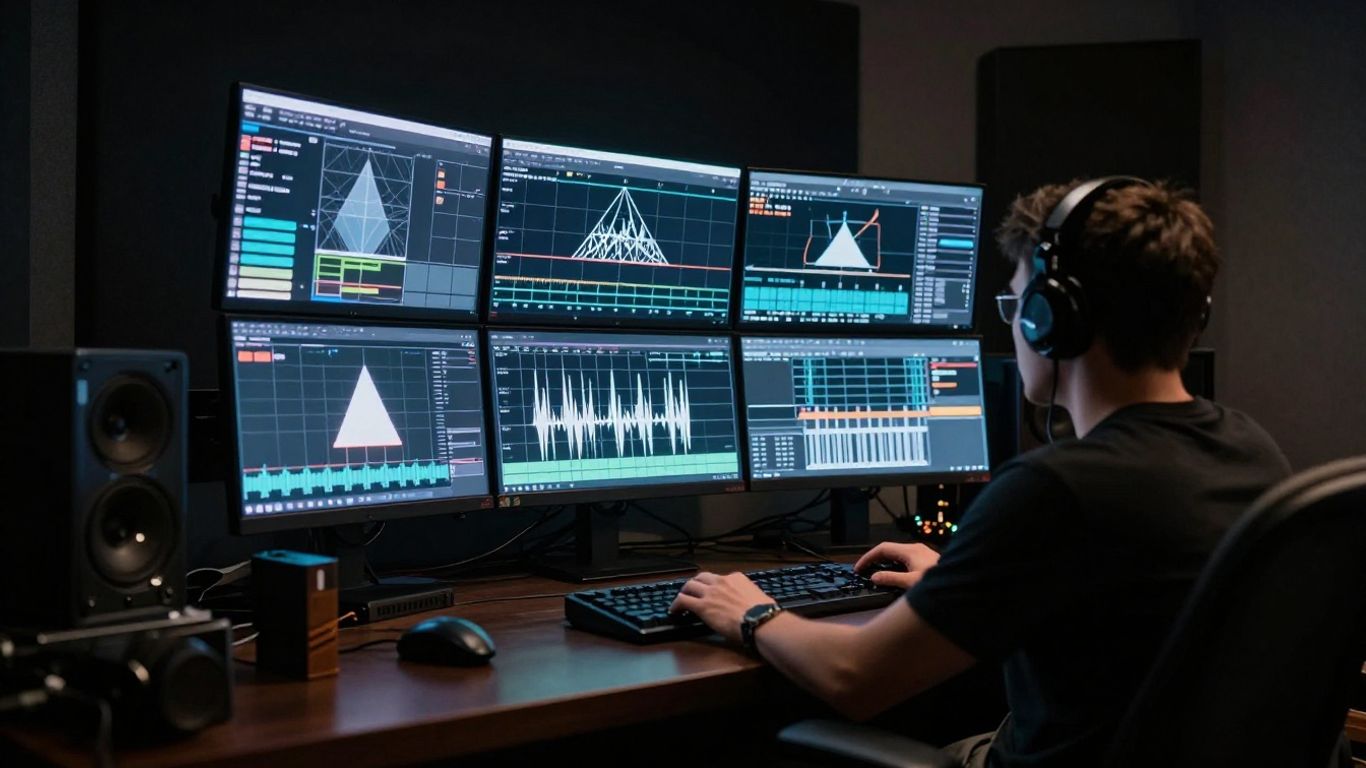
If you produce beats for others, you know that the visual side of your portfolio is just as important as the mix. Platforms like YouTube and Spotify thrive on visual content, and having something to display is often mandatory for growth. Professional presentation helps you compete in crowded marketplaces where users choose content based on the thumbnail.
Enhancing track visibility on streaming platforms
Listeners click on tracks that appear professional and well-curated. By using AI-powered generators to create consistent artwork and visuals, you ensure your stream counts reflect the quality of your audio production. It gives your listeners a visual hook that keeps them returning to your profile.
Creating professional background loops for Spotify Canvas
Spotify Canvas requires specific, high-quality loops that represent your track’s vibe. Using an AI tool to create cinematic visuals specifically for these loops ensures the movement is smooth and eye-catching. A looping visual that matches the beat effectively increases your shares on social apps.
Demonstrating complex musical structure through visual rhythm
Visuals help audiences understand the layers of your beat. When frames shift on a snare hit or a bass drop, you demonstrate your production skills visually without explaining them in text. This visual feedback loop emphasizes your technical precision to any listener.
Showcasing beat tapes in competitive, visual-first marketplaces
Beat tapes often get overlooked if they lack an aesthetic identity. Using tools to create captivating visuals helps you build a cohesive visual identity for your collection. This makes your music stand out as a finished, professional product rather than an anonymous collection of files.
Educational and narrative content creators
Storytelling requires more than just words or audio. Educators who use music as a teaching tool need a way to integrate visuals that clarify musical or narrative concepts. AI tools allow for fast, low-cost illustration of intangible ideas, helping students and fans grasp concepts that audio alone might not cover sufficiently.
Illustrating storytelling with mood-reactive AI visuals
Narrative content succeeds when visuals amplify the emotional undertone. By using an AI tool to examine the emotional arc of your story, you create visuals that rise and fall with the drama of your script. This reactive visual layer keeps the viewer’s focus locked on your story.
Supporting musical concepts through visual reinforcement
Explaining music theory or structure is easier when you have a visual aid. You can generate specific movements for distinct intervals or rhythms, creating a seamless flow that matches the lesson. This helps learners see the beat and harmonic changes as they hear them.
Producing highly engaging audio-focused tutorial content
Tutorials often fail when they are too static. Incorporating moving elements that respond to the audio track makes your tutorials more dynamic. This keeps student retention high during complex technical explanations that might otherwise feel dry.
Integrating custom soundtracks into instructional digital modules
For digital learning products, having a custom sound is a must. You can take your instructional modules and back them with custom music generated by AI. This builds a unique environment for your content that feels original and tailored just for your students.
Creative agencies and freelance studios
Agencies need to move faster than ever. When a client asks for a pitch or a prototype, you cannot afford to wait weeks for a video team to render a concept. Uncensored artistic platforms like Animator Hub allow you to create without restrictive filters. With AI Lover and other character tools, agencies can quickly generate persistent AI personas to simulate social proof or influencer demonstrations.
Accelerating pre-production and internal visual pitching
Internal pitches rely on high-fidelity mocks. By using fast AI generation, you turn raw ideas into visible concepts during the meeting. This allows for instant client feedback and reduces the time spent on misaligned creative paths.
Scaling video output across multiple client accounts
You need a system that grows as your client list grows. By establishing a standard generation workflow, you handle multiple accounts simultaneously without hiring more staff. Consistency is the key to maintaining quality across diverse brand voices.
Streamlining the audio-to-video creative workflow
You lose time whenever you switch between software or platforms. Using a unified tool that manages both the audio rhythm and the video generation ensures you never break your flow. This keeps your team focused on the creative work instead of troubleshooting file transfers.
Reducing operational overhead during rapid prototyping
Prototyping costs are often sunk into experimentation. By keeping your operational expenses low with efficient AI, you perform more iterations before the final production lock. This free creative freedom allows your team to explore weirder, bolder ideas that might have been rejected under tight budgets.
Conclusion
Understanding who uses ai music video generators reveals that these tools are no longer just for experimentalists; they are fundamental assets for anyone balancing creative volume and professional quality. By matching your audio to responsive visuals, you ensure that your output stays competitive regardless of the industry you serve. Whether you are scaling an individual creator’s brand or optimizing a full agency’s output, these solutions work to keep the music at the center of the story.
Frequently Asked Questions
How does an AI tool know how to match visuals to my music?
Most advanced AI generators analyze the audio’s tempo, spectral energy, and structure to make informed decisions about when to trigger visual changes or scene shifts. They do not just overlay imagery; they interpret the rhythmic data as a guide for their composition.
Can I use these tools if I have no video editing experience?
Yes, these platforms are designed specifically to remove the need for traditional video editing skills. The AI acts as your director and editor, using your input and audio as the blueprint for the final, rendered video output.
What are the standard output formats for these videos?
Most modern tools provide multi-format exports including 9:16 for TikTok and Reels, 1:1 for social media feeds, and 16:9 for YouTube. Always verify your specific tool’s export settings before starting your project to ensure compatibility with your chosen social platforms.
Can persistent characters exist across my music videos?
Many generators offer character consistency features that keep specific avatars or visual themes across multiple clips. This is critical for building a brand image, so you should look for platforms that list character stability or persistent scene elements in their feature specifications.
Are these AI-generated videos copyright-safe?
Rules vary by platform, so check the terms of service for your specific tool. Generally, users hold rights to the generated output, but the platform’s specific license defines how the underlying AI engine’s ownership rules apply to your commercial work.
Can I generate the audio content using the same tool?
Some platforms integrate both text-to-song generation and audio-to-video production into a single workflow. This dual functionality is a major advantage if you want to eliminate the need for switching between music generation software and video suites.
Do these generators support high-resolution output?
Many platforms support high-definition or 4K exports depending on your subscription plan. Check the pricing tiers for the tool you are considering, as higher resolution often requires a paid premium account while lower resolution might be offered on a free tier.