AI is shaking up the music world, but it’s not all doom and gloom. Here’s what you need to know to stay ahead.
Key Takeaways
- AI can create music quickly and cheaply, which might affect jobs for background music and jingles.
- Your voice and likeness are important – understand how AI might use them and protect your rights.
- AI tools can help with production, but they can’t replace the genuine emotion and creativity of human artists.
- Focus on what makes your music uniquely human: your story, your performance, your connection with fans.
- Stay informed about AI developments and advocate for fair practices that protect musicians’ livelihoods.
Understanding the Core Question: Should Musicians Worry About AI Music?
Defining AI Music and Its Capabilities Today
AI music refers to audio created using artificial intelligence algorithms. These tools can generate melodies, harmonies, rhythms, and even vocals based on prompts or existing data. Think of it like a digital composer that learns from vast amounts of music. Today’s AI can produce surprisingly complex and listenable tracks across various genres. It’s no longer just a novelty; it’s a functional creative tool.
Key Differences Between AI-Generated and Human-Created Music
While AI can mimic styles, human music often carries a unique emotional depth and lived experience. Human artists infuse their work with personal stories, cultural context, and spontaneous imperfections that AI struggles to replicate. AI-generated music tends to be technically proficient but can sometimes lack that intangible ‘soul.’ It’s the difference between a perfect replica and an original painting.
Where Is AI Music Most Likely to Have an Impact?
AI music is already making waves in areas where speed and cost are primary concerns. This includes background music for videos, jingles for advertisements, and functional audio for games or apps. These are often utilitarian applications where a unique artistic voice isn’t the main requirement. For these uses, AI offers a faster, cheaper alternative. Digital footprints can also be a concern in how AI learns, so understanding data is key.
The core question isn’t whether AI can make music, but how its capabilities will intersect with the value you place on human artistry and your livelihood as a musician. It’s about understanding the tool, not fearing it blindly.
How AI Music is Shaping the Modern Music Industry
Adoption by Labels, Platforms, and Content Creators
Major labels and streaming platforms are starting to see the potential in AI music. They’re exploring how it can streamline processes and even create new content. This isn’t just about background music anymore; it’s about integrating AI into the core of music creation and distribution.
Content creators, especially on social media, are also jumping on board. They use AI tools to quickly generate soundtracks for their videos, saving time and resources. This widespread adoption means AI music is becoming more common, whether you notice it directly or not. It’s a tool that’s rapidly becoming part of the digital landscape.
Changes in Music Production and Distribution Channels
AI is changing how music gets made. Tools can now help with everything from generating melodies to mastering tracks. This means you might find yourself using AI to assist with parts of your production process. It can speed things up and offer new creative avenues.
Distribution is also evolving. AI can help analyze listener data to suggest how and where to release your music for maximum impact. Platforms are using AI to personalize recommendations, helping listeners discover new artists. This shift means the path from creation to listener is becoming more data-driven.
Shifts in Listener Perceptions and Value of Human Performance
Listeners are increasingly encountering AI-generated music without even realizing it. Studies show that a significant portion of people can’t tell the difference between AI and human-created songs. This blurs the lines and might change how people value music.
While AI can mimic styles and structures, the emotional depth and unique storytelling of human performance remain distinct. You’ll likely see a growing appreciation for the authentic, raw emotion that only a human artist can bring. This could lead to a greater emphasis on live performances and the personal connection between artist and audience. It’s about what makes your music uniquely yours.
Economic Implications for Musicians in an AI-Driven Landscape
AI music tools are changing how music is made and paid for. You might be wondering how this affects your wallet. It’s a valid concern, and understanding the economic shifts is key to staying ahead.
Royalty Structures and Potential Loss of Income
AI can generate music without paying traditional royalties to human artists. This means platforms could save billions, but it directly impacts your income. Some projections suggest creators could see a significant revenue drop, potentially 24%. This shift could fundamentally alter how artists are compensated.
Emerging Revenue Streams Enabled by AI
While AI poses challenges, it also opens new doors. You could license your voice or unique production style for AI models. Platforms are starting to pay creators when their style is used to generate new tracks. This offers a way to earn income from your artistic fingerprint.
Risks for Background, Jingle, and Utility Music Creators
If you create music for commercials, background scores, or other functional uses, AI presents a direct threat. These types of music can be produced faster and cheaper by AI. This could displace many creators who rely on this work for their livelihood. The focus might shift from art to cost-effectiveness.
The drive for cost savings by large platforms is a major incentive for AI adoption. This could lead to a significant decrease in royalty payouts, posing a substantial risk to artists who have built careers on their music. It’s a tough situation when authenticity might be sidelined for financial gain.
Here are some areas where AI could impact your income:
- Background Music: AI can generate endless hours of royalty-free background tracks for videos, games, and podcasts.
- Jingles and Commercials: Short, catchy tunes for advertising can be produced rapidly and at a lower cost.
- Sound Design: AI tools might be used to create sound effects or atmospheric music for media.
It’s important to stay informed about these changes. Exploring how AI can be a tool, rather than just a competitor, is a smart move. You can also look into initiatives advocating for fair compensation and ethical AI training.
Protecting Artistic Integrity and Copyright in the Age of AI
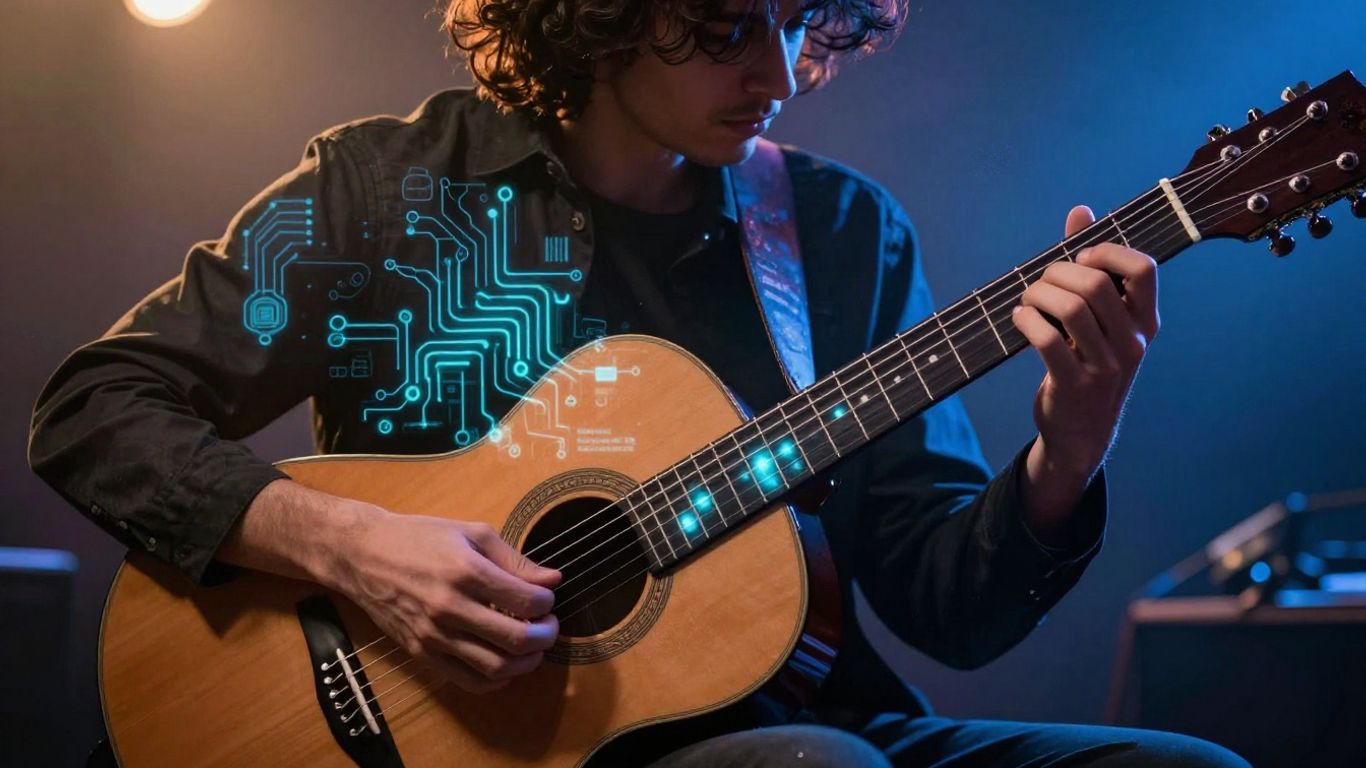
Voice and Likeness Rights in AI Covers and Clones
AI can now create convincing vocal clones of your voice. This technology raises serious questions about your rights. Unauthorized use of your voice for AI covers or deepfakes can harm your reputation and livelihood. You need to understand how these tools work and what protections are available. It’s vital to be aware of who is using your voice and for what purpose.
Legal Developments and Emerging Standards
Laws are starting to catch up with AI technology, but it’s a slow process. Some regions are introducing legislation to protect artists’ voices and likenesses. For instance, the ELVIS Act in Tennessee aims to prevent the unauthorized commercial use of an individual’s voice. Keep an eye on these developments, as they will shape how AI is used in music. Staying informed helps you protect your creative work.
The rapid advancement of AI often outpaces the ability of legislation to keep up. This creates a complex legal and ethical landscape for artists.
Participating in Fair Compensation and Ethical Training Initiatives
Several groups are working to ensure artists are fairly compensated when their work is used to train AI models. Initiatives like Fairly Trained advocate for ethical data usage and creator rights. You can support these efforts by learning about them and participating where possible. Advocating for transparency in AI training data is key. This helps build a more equitable future for music creation. You can also explore platforms that are already partnering with artists for compensation, like Soundful, which pays producers when their style is used. Learn about artist compensation.
Where AI Music Excels—And Where It Falls Short
AI music tools have some serious advantages, especially when you need something fast and cheap. They can churn out tracks in minutes, which is a game-changer for certain projects. This speed and accessibility mean you can experiment more without breaking the bank. It’s like having an instant jingle machine at your fingertips.
Speed, Accessibility, and Cost Advantages for Creators
Think about needing background music for a YouTube video or a podcast intro. AI can deliver that quickly and affordably. You don’t need to hire a composer or spend hours searching for royalty-free tracks. Many platforms offer free tiers or low-cost subscriptions, making music creation accessible to almost anyone. This is a big win for independent creators and small businesses.
- Rapid Prototyping: Test out song ideas instantly.
- Budget-Friendly: Significantly cheaper than hiring human musicians.
- On-Demand: Get music whenever you need it, no scheduling required.
Limits of AI in Creativity and Emotional Impact
However, AI struggles with the nuances that make music truly connect. It can mimic styles and structures, but it doesn’t have lived experiences or genuine emotions to draw from. This often results in music that feels technically proficient but lacks soul. You might find AI-generated tracks technically sound but emotionally hollow.
While AI can replicate patterns, it can’t replicate the human condition. The raw emotion, the unexpected turns, the subtle imperfections – these are the things that make music resonate deeply. AI-generated music often feels like a perfect copy of a feeling, rather than the feeling itself.
Best Use Cases for AI Music Tools
So, where should you actually use these tools? They’re fantastic for utility music – think background scores for videos, game soundtracks, or even simple jingles for ads. If you need functional music that sets a mood without demanding too much attention, AI is a great option. It’s also useful for generating variations on a theme or creating placeholder tracks during the production process. For content creators, these tools can be a real time-saver.
- Background Scores: For videos, podcasts, and presentations.
- Jingles and Ads: Quick, affordable sonic branding.
- Sound Design: Creating specific sound effects or atmospheric textures.
- Demo Tracks: Quickly sketching out musical ideas before full production.
Adapting to AI: Practical Strategies for Musicians
AI is changing the music landscape, but you can adapt. Think of these tools not as replacements, but as new instruments or assistants. Your unique voice and artistic vision are still your greatest assets.
Integrating AI Tools into a Creative Workflow
AI can speed up parts of your process. Use AI for tasks like generating initial song ideas or creating background tracks. Tools can help with mixing and mastering, too. This frees you up to focus on the core creative elements.
Consider using AI for:
- Idea generation: Get a starting point for melodies or chord progressions.
- Production assistance: Automate tasks like stem splitting or basic mastering.
- Content creation: Generate visuals for social media or simple jingles.
Building a Distinctive, Human-Centered Artistic Brand
In a world of AI-generated content, your human touch becomes more important. Focus on what makes you unique. Share your story, your influences, and your creative process.
Authenticity is your superpower. Listeners connect with real emotions and experiences. Highlight the human element in your music and your performances. This is what AI can’t replicate.
The journey of creating music is as important as the final product. Embrace the process, share your struggles and triumphs, and let your personality shine through. This connection is what builds a lasting audience.
Collaborating and Advocating for Fair Industry Practices
AI presents challenges, but also opportunities for collaboration. You can work with AI tools to push creative boundaries. At the same time, it’s vital to advocate for fair treatment of artists.
Support initiatives that protect artists’ rights and ensure fair compensation. Stay informed about how AI is being used and its impact on copyright. Your voice matters in shaping the future of music.
Look into resources that help artists understand their rights in the age of AI, like those focused on copyright law and licensing. Engaging with these issues helps ensure that human creativity remains valued and rewarded. Remember, the goal is to use AI as a tool that complements, rather than replaces, human artistry. The creative journey itself, regardless of the tools used, holds significant artistic merit, as discussed in perspectives on AI art creation.
Looking Forward: Navigating Uncertainty with Confidence
Balancing Opportunity and Threat in AI Advancement
The rise of AI in music isn’t just a trend; it’s a fundamental shift. You’ve seen how tools can generate music quickly and cheaply. This presents both challenges and chances for your career. It’s about understanding these tools, not fearing them. Think of AI as a new instrument in your studio. Learning its capabilities helps you stay relevant and find new creative avenues. The landscape is changing, but you can adapt.
Community, Collaboration, and Industry Leadership
Don’t go it alone. Connecting with other musicians and industry professionals is more important than ever. Share your experiences with AI tools and discuss ethical considerations. You can influence how AI is used in music. Advocate for fair practices and compensation. Your voice matters in shaping the future of music creation and distribution. This collective effort builds resilience for everyone.
Staying Resilient in a Shifting Musical Landscape
Your unique human touch is your greatest asset. AI can mimic, but it can’t replicate lived experience or genuine emotion. Focus on developing your artistic voice and connecting with your audience on a deeper level. Continue to hone your craft and explore new creative territories. By embracing AI as a tool while prioritizing your artistry, you can build a sustainable and fulfilling career. The future of music is a collaboration between human creativity and technological innovation.
The future can seem a bit foggy sometimes, right? But don’t worry, we can learn to handle whatever comes our way. It’s all about building up your confidence and knowing how to figure things out. Ready to explore how you can become a master at facing the unknown? Visit our website today to get started!
Conclusion
Look, AI in music isn’t going anywhere. It’s here, and it’s changing things. Instead of panicking, you can get smart about it. Use the tools that help you, build your unique sound, and remember that what makes you, you, is your human touch. The music world is big enough for both AI and authentic human expression. Stay informed, stay creative, and keep making your art.
Frequently Asked Questions
Is AI going to take over all music jobs?
It’s unlikely AI will replace *all* music jobs. While AI can make background music or jingles faster and cheaper, it struggles with the deep emotion and originality that human artists bring. Think of AI as a tool that might change some jobs, especially for simpler music, but not eliminate the need for human creativity and performance.
Can AI copy my voice or style?
Yes, AI can be trained to imitate voices and musical styles. This is a big concern for artists. Laws and guidelines are still catching up, but it’s important to be aware of this and understand your rights regarding your voice and likeness.
Is AI music less valuable than human music?
Many listeners can’t even tell the difference between AI and human music, which is interesting. However, the ‘soul’ or genuine feeling that comes from human experience is something AI can’t truly replicate. Many people will always value that human touch and the story behind the artist.
How can I use AI as a musician?
You can use AI tools to help with parts of your music-making process, like generating ideas, speeding up production, or even creating visuals for your songs. Think of it as a helpful assistant, not a replacement for your own creative vision.
Will AI affect how musicians get paid?
It might. If AI creates a lot of music for things like ads or background tracks, there could be less work and lower pay for human composers in those areas. Also, if AI uses existing music for training without paying, that’s a problem for artists too. It’s why fair pay and copyright rules are so important right now.
What’s the best way for musicians to deal with AI?
The best approach is to stay informed and adapt. Learn about AI tools, figure out how they can help *your* specific work, and focus on what makes your music and your performance uniquely human. Building a strong connection with your fans and highlighting your personal artistic journey is key.