Key Takeaways
You are curious if creating AI videos is worth the effort for your music promotions. Here are the core facts to keep in mind.
- AI tools allow you to produce full music videos without needing film crews or expensive studios.
- You can generate custom songs with AI vocals and pair them immediately with synchronized visuals.
- Platforms like the Creatus AI Music Video Generator simplify the production process into a single, integrated workflow.
- Success on platforms requires matching your visual style closely to the vibe of your audio track.
- Strategic use of short-form formats and quick hooks helps you grow your audience on social media apps.
The benefits of AI music videos for TikTok promotion
Producing high-quality content consistently is a massive hurdle for most musicians today. When you consider if you should i make ai music videos for tiktok, think about how much time you save by skipping the traditional video production cycle. You no longer need to spend weeks scouting locations or hiring teams. Instead, you get to focus purely on your creative vision while tools do the heavy lifting of animation and scene generation.
Scaling content production without a studio
Using AI tools means you can post daily without burning through your budget. You can turn one song into ten different visual versions to test what captures your audience. Traditional production is slow and costly, but AI allows for rapid content iteration at scale.
Lowering the barrier for independent creators
Financial constraints often prevent talented artists from showcasing their work visually. AI platforms make professional-looking videos accessible to everyone regardless of budget. You now have the power to output high-quality assets that compete with major label projects.
Improving engagement rates with high-production visuals
Viewers interact more with content that looks polished and visually arresting. Creating aesthetic music videos grabs attention instantly while a user scrolls. Strong visuals encourage repeat views and shares, which helps your reach grow significantly.
Rapid response to trending audio and viral sounds
Trends come and go in hours, not weeks. AI tools let you jump on a trending sound while it is peaking by generating a new video in minutes. You stay relevant by matching your visual content to the sounds that are dominating feeds right now.
How the AI-generated music video workflow functions
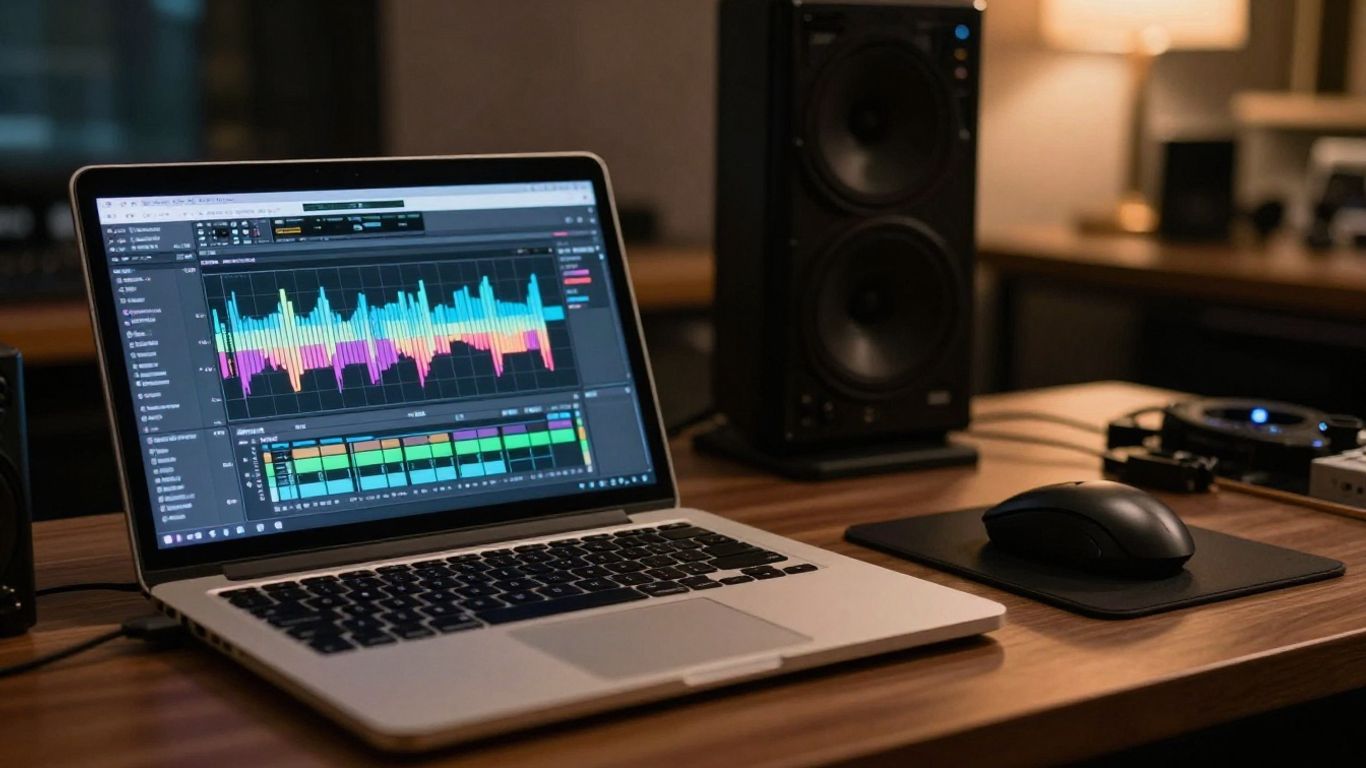
The process of building your video feels much more intuitive than traditional editing software. You typically start by defining the mood and tempo of your track through a text prompt. The system then interprets these inputs to generate a full arrangement with vocals, allowing you to move directly into the visual stage. This workflow removes the need for multiple subscriptions and keeps your files in one place.
Text-to-song generation and AI vocal synthesis
Modern AI models allow you to generate full songs including singing vocals just from text inputs. You define your genre and lyrical themes, and the platform delivers a complete audio file. This is perfect for when you want to experiment with new sounds or need backing tracks quickly.
Audio analysis and rhythm-based visual synchronization
Good AI tools actually listen to your audio files before creating visuals. The software analyzes things like BPM and energy intensity to time the video cuts. This ensures your visual transitions land exactly on the beat or vocal entry.
Converting existing audio tracks into visual stories
If you already have a finished track, you can simply upload your MP3 or WAV file. The AI breaks down the song structure to map out narrative scenes that shift as the music changes. You get a video that feels meaningful rather than just a series of random loops.
Why an all-in-one platform minimizes technical friction
Using a unified tool like the Creatus AI Music Video Generator prevents the frustration of moving files between different apps. You save time by staying in one environment from your initial song idea to your final video export. This efficiency is a massive advantage when you work alone.
Assessing the technical quality and control of AI visuals
You need to ensure your output looks distinct and intentional rather than generic. While the tech is powerful, your prompt quality dictates how much control you have over the final aesthetic. By specifying artistic styles, lighting conditions, and character details, you guide the machine toward a result that matches your personal artist identity. This balance between automation and creative input is where the best videos are born.
Understanding the role of prompt engineering in aesthetic control
Writing effective prompts requires you to be specific about what you see in your mind. Use descriptive language about textures, art styles, and camera angles to refine your result. The more details you provide, the less the AI relies on guesswork for its rendering.
Consistency in character and style throughout the track
Maintaining a unified look is essential for a professional video project. You should use reference images or specific style identifiers to keep characters and color palettes stable across scenes. This prevents your video from looking like a disjointed series of random clips.
The necessity of beat-sync and precise narrative pacing
Storytelling requires your video to respond to the emotional arc of your song. You can adjust the pacing manually in advanced tools to ensure your visual narrative hits harder during key moments. Tight synchronization is what transforms a simple clip into a compelling piece of art.
Matching visual styles to specific music genres
Different musical genres demand different visual languages. Electronic dance tracks might look best with abstract, neon-heavy imagery, while acoustic songs need earthy, slower visual pacing. Choose your aesthetic based on the tone of your music rather than just picking what is trending.
Strategic considerations for short-form video optimization
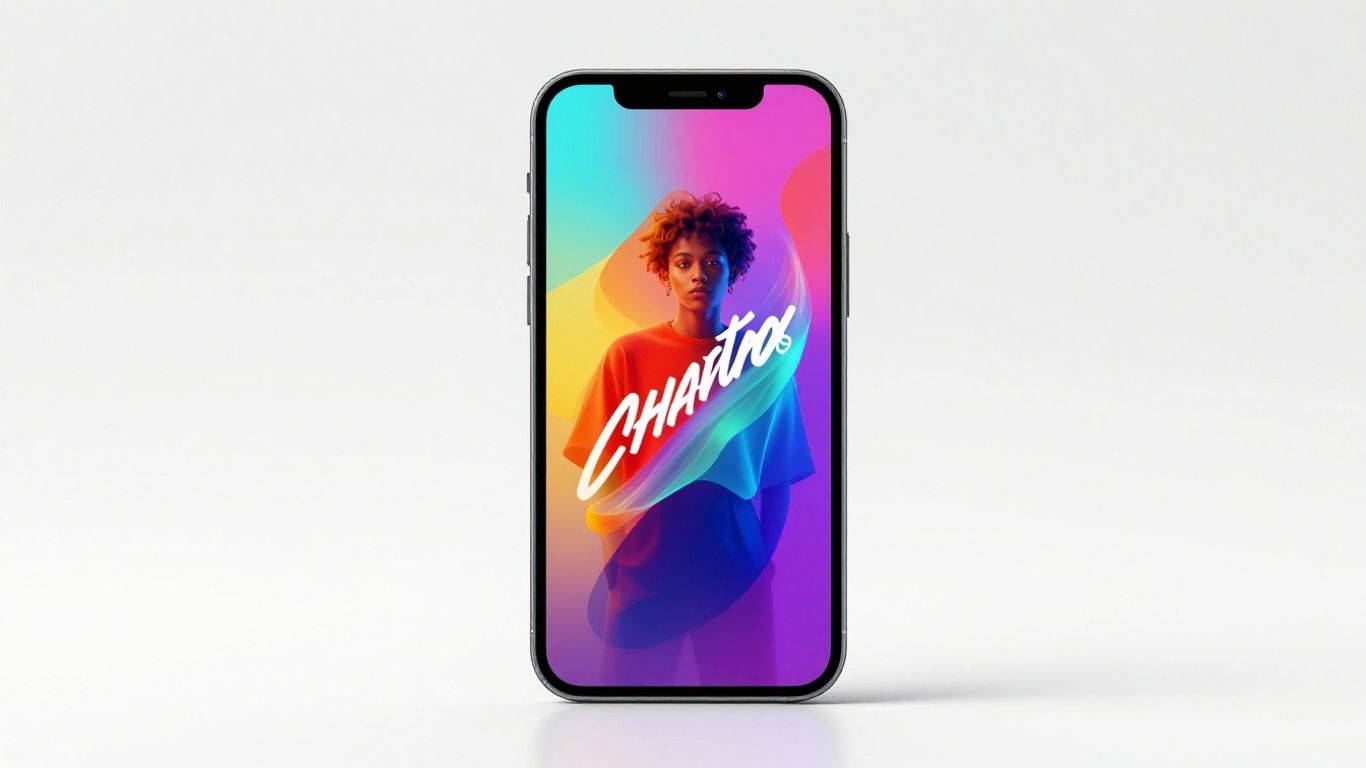
Vertical video is the current standard for viral success on mobile platforms. When you format your work for 9:16 delivery, you occupy the full screen and command more attention from the user. This format dictates how you frame shots to ensure your subject remains visible without being obstructed by UI elements like buttons or comments.
Formatting choices for 9:16 vertical delivery
Ensure your project settings are fixed to portrait mode before you generate your content. This allows the AI to compose shots specifically for vertical space so you do not have to crop your work later. Starting in the right format ensures high image quality and better framing.
The importance of hooking the viewer in the first three seconds
Your opening shot must grab attention immediately to stop the scroll. Start your video with a high-energy visual or a compelling narrative mystery that pays off quickly within a few frames. If you bore the viewer early, they will swipe past without listening to your music.
Integrating lyric overlays for higher audience retention
Many users watch social media videos on mute, so text is vital. Adding lyric overlays helps the audience follow along and appreciate your words visually. Clear typography that disappears and reappears in time with the song will keep viewers watching longer.
Choosing the right visual tone for algorithm-friendly content
Bright, high-contrast visuals often perform well because they pop against the dark backgrounds of most app interfaces. You want your content to stand out as a vibrant, high-quality asset among the clutter. Test different color schemes to see which ones drive the most shares from your audience.
Managing the creative and ethical balance
Being honest about your process builds trust with your listeners. When you use the Creatus ecosystem to generate your media, simply acknowledge the role of technology in your project. You stay authentic by treating AI as a collaborator that helps you execute your specific artistic vision. Your brand remains yours because you are the director who sets the parameters.
Maintaining authenticity as an artist in an AI-assisted workflow
Authenticity comes from your unique perspective and choices, not just the tools you use. You provide the intent, the lyrics, and the final curation, which effectively makes the project your own. Do not apologize for using technology to make professional work possible.
Ensuring visual output represents your unique brand identity
Pick a visual style and stick to it across multiple releases to build brand recognition among fans. When someone sees your thumbnail, they should immediately know it belongs to you. Creating a signature look differentiates your content from the noise.
Transparency and disclosures about AI usage in creative projects
Being open about your methods allows for a positive conversation with your fan base. Mention your creative process in your captions when it adds value to the story of the track. Transparency separates professionals from those who try to pass off automated work as manually drafted.
Navigating copyright and commercial usage considerations
Understand the terms of service of the tools you use for your music projects. Most platforms that offer AI music generation provide clear guidelines on ownership and commercial rights. Stick to tools that give you full control over your output to protect your professional career.
Selecting the right tools for your specific production needs
Choosing the right software comes down to your priorities as a creator. Some platforms focus heavily on editing control, while others prioritize speed and ease of use. Look for options that allow you to refine your results without requiring you to switch between multiple unrelated apps for your AI generated music projects.
Evaluating the difference between video-only and integrated workflows
Integrated platforms simplify your life because you manage everything in one window. They save your project data and settings, ensuring consistency across different stages. Avoid fragmented workflows that force you to re-upload files constantly.
Comparing subscription models versus free-tier entry points
Test the free versions of various tools before you commit to a monthly fee. See which platform offers the features you actually use most, like resolution limits or export formats. A good free tier allows you to prove your concept before you scale your operations.
Identifying user-friendly interfaces for non-editors
If you have no editing skills, look for apps that rely on simple text prompts and intuitive dashboards. You want a tool that guides you through the process step-by-step. Complex software is only beneficial if you have a background in traditional video post-production.
Integration requirements for social media distribution platforms
Check how easily you can export your finished video to your phone or cloud storage. You want a direct path from your generator to your social media apps to publish content in seconds. Efficiency at the final delivery stage is just as important as the speed of generation.
Conclusion
Making AI music videos is a practical strategy for any musician who wants to maintain a consistent visual presence while saving time and money. By choosing tools that integrate your song creation and video generation, you keep your production pipeline lean and focused on your art. Start with small experiments to see what works best for your audience, gather your fan feedback, and watch how your digital brand grows with high-quality, rhythm-synced content.
Frequently Asked Questions
Can I use AI music videos for commercial purposes?
Yes, most production platforms grant you commercial usage rights for the content you generate, provided you hold a valid account or license. Always check the specific terms of the individual tool you select to ensure full compliance with their local regulations.
Do I need a high-end computer to generate AI music videos?
No, because these tools operate in the cloud, you do not need expensive hardware or advanced graphics cards. Your web browser handles the interface, while the remote servers perform the complex computation needed for your video files.
How long does it take to create a typical AI music video?
Depending on the complexity of your prompts and the length of your track, the process can take anywhere from a few minutes to half an hour. Most automated systems allow you to generate your storyboard quickly before they proceed to final rendering.
Will my music sound better if I generate it with AI tools?
AI tools provide a professional sonic foundation, but the quality depends on how well you craft your prompts and handle the output. You have control over the genre, mood, and instrumentation, which allows for a high degree of creative refinement in your audio.
Can I edit an AI-generated video after it is finished?
Many modern platforms include built-in editors where you can adjust timing, swap scenes, or add lyric text after the generation is done. You are rarely locked into your first result, and you can iterate until the visual feels just right for your song.
Is it obvious that a video was made by AI?
Modern models provide high-quality output that often looks indistinguishable from traditional animation or stock footage. As you get better at prompt engineering and visual styling, you can make your videos look as distinct and stylized as you desire.
Does TikTok penalize AI-generated content?
TikTok does not penalize content solely because it was made with AI. The algorithm prioritizes engagement metrics like watch time, shares, and comments, so if your content is high-quality and keeps users watching, it has every chance to perform well.
Ready to launch your first music video?
Start creating today with our intuitive generation platform designed for modern musicians who need professional results fast. You have all the features necessary to build your vision.