Key Takeaways
AI video generation changes how you move from music concepts to finished tracks and visual content simultaneously. You can simplify your workflow, reduce production costs, and maintain a consistent content flow for your social media channels.
- Integrated platforms handle both audio and video generation.
- Vertical 9:16 aspect ratios are essential for mobile engagement.
- Beat-syncing directly ties visuals to your track rhythm.
- Consistent characters and persistent narrative styles increase retention.
- Automated tools allow you to repurpose long-form assets across social platforms.
The rise of integrated music-and-video workflows
Creating music videos used to require expensive production crews and weeks of editing time. By shifting to a single-platform approach, you combine song generation with visual production, bypassing the technical bloat of managing separate audio and video suites. This unified process is the primary way artists keep up with constant demand for fresh content on platforms like TikTok.
Streamlining production through single-platform generation
You no longer need to jump between separate apps for your audio and your visuals. Platforms like Creatus.AI allow you to generate full tracks with vocals using text prompts and immediately convert those sounds into synchronized videos within one workspace.
Avoiding the technical friction of multi-tool software workflows
Switching file formats and syncing timelines across different programs frequently leads to data loss or project drift. When you consolidate your output, you keep the same stylistic choices from your lyrics through to your final video export.
Analyzing the role of AI in tempo-synced visual generation
Modern AI models analyze the BPM and arrangement of your uploaded audio files in real-time. They map visual scene changes to your song’s structure, ensuring the video rhythm matches the energy of the track so the content feels intentional rather than random.
Evaluating the cost-efficiency of two-in-one AI engines
Using combined AI engines removes the overhead costs of individual subscriptions and asset licenses. You achieve better financial results by focusing on a singular production pipeline that handles both creative needs in one effort.
Best practices for TikTok-native video aesthetics
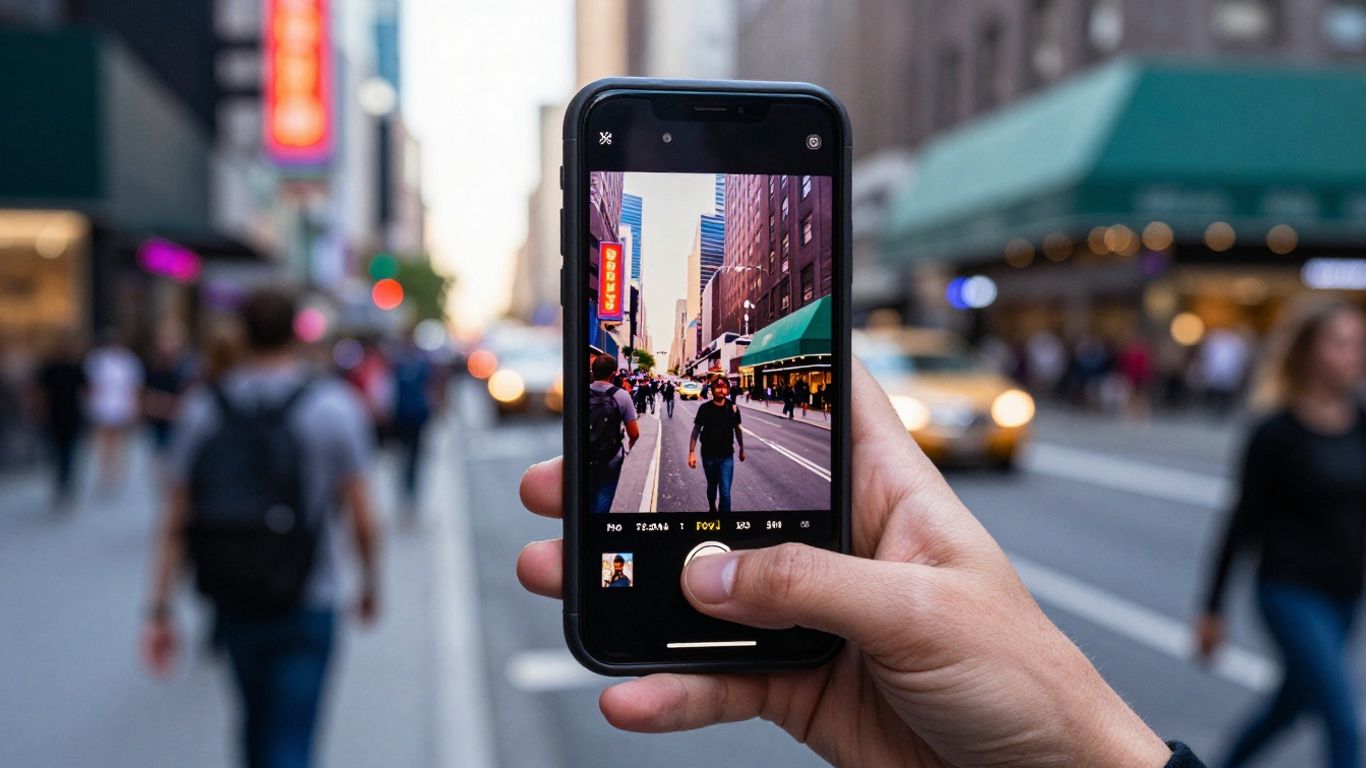
Everything you create for TikTok must account for the mobile viewer experience, which demands attention immediately. Focusing on 9:16 vertical framing ensures that your visuals occupy the user’s full screen, which is standard for high-performance social content. Your stylistic choices act as the primary signal to the viewer about the genre they are about to hear.
Prioritizing 9:16 vertical orientation for mobile engagement
Vertical output is the native language of social algorithms. When you generate content with these proportions, you avoid the pixelation and layout issues common with forced cropping of widescreen assets.
Selecting visual styles that align with specific song genres
Your visual style acts as a promise for the music content. A dark, moody, cinematic style fits a ballad while faster, glitch-heavy animation signals a high-energy dance track. Make sure the aesthetic matches the vibe so viewers stay engaged.
Leveraging AI for lip-sync and character performance
AI-driven characters offer a reliable way to front your own musical releases. By using a consistent digital face, you build familiarity with your audience through recurrent performances.
Balancing abstract visuals with high-retention narrative storytelling
Don’t rely entirely on abstract shapes. Mixing narrative storytelling with eye-catching imagery keeps viewers watching until the end. You want to give the human eye something concrete to follow amid the artistic elements.
Designing content for short-form user retention
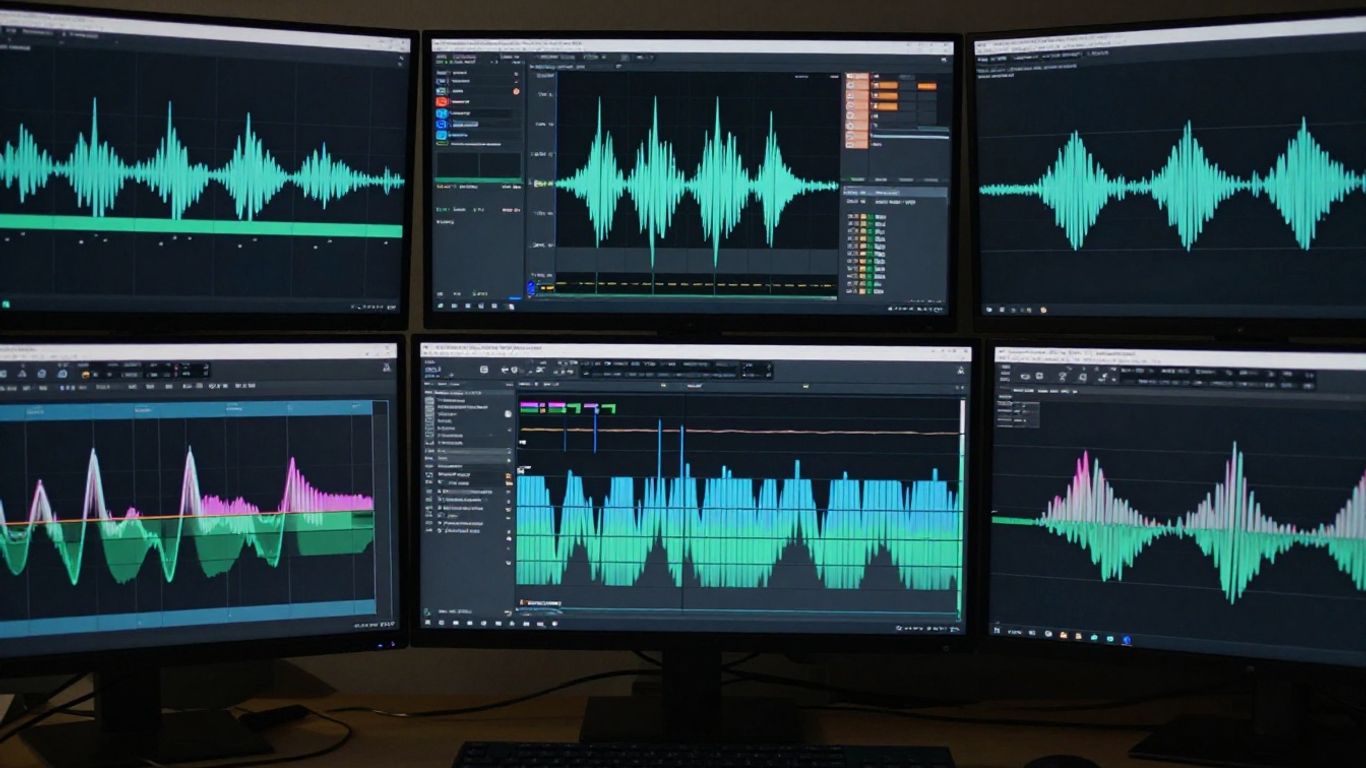
You have mere seconds to stop a scroll, so your initial approach to visual design dictates your organic reach. Every frame matters when you aim to maximize watch time. Start strong and keep the visual pace consistent with your lyrics to maintain interest throughout the clip.
Using prompt engineering to sustain visual interest
Refining your prompts is critical for creating vibrant scenes that grab attention without becoming generic. Specify clear action verbs and set distinct lighting moods to guide the generation process toward higher quality results.
Implementing rhythmic cuts and beat-matched scene transitions
Use these techniques to ensure the visual rhythm keeps pace with your audio flow:
- Use hard cuts exactly on the snare or bass hits.
- Trigger scene color changes in time with the chorus.
- Match camera zooms to build tension before drops.
- Incorporate lyric overlays on moments of high vocal energy.
The impact of initial frames on audience engagement and organic reach
The first few frames identify your track and set expectations. If you lead with your most arresting visual hook, you significantly improve the chances that the platform algorithm will push your content to new viewers.
Strategies for integrating lyric overlays to improve watch time
Lyrics help users connect with the song immediately. When you place text overlays at the start of your video, you give the viewer a reason to stop and read, which increases total watch time and boosts your overall video performance.
Integrating AI tools into your music marketing strategy
Scaling your output requires a structured approach to generating and distributing content. You must move past individual video projects toward a production-line mindset where every asset serves your broader marketing goals.
Scaling content output for growth on streaming platforms
Consistency is the single biggest factor for growth on modern streaming platforms. Use AI tools to generate batches of teasers, mood-based visualizers, and short clips from a single master track.
Testing AI-generated music against audience performance analytics
Track which visual styles receive the highest engagement. You can test different aesthetic moods for the same track to see what works best with your specific audience demographics.
Repurposing long-form assets for consistent social media cycles
Turn your longer videos into shorter snippets meant for social media consumption. This table illustrates how you can repurpose a single finished creation into multiple platform-specific formats efficiently.
| Asset Type | Primary Purpose | Best Platform |
|---|---|---|
| 9:16 Full Video | Main Release | TikTok / Reels |
| 1:1 Teaser | Feed Discovery | |
| 16:9 Cutout | Full Listening | YouTube |
Measuring the operational ROI of AI-produced promotional content
Evaluate your ROI based on time saved against the engagement generated. Reducing your production time allows you to release double the content for the same effort, which usually leads to a measurable increase in community growth.
Navigating the competitive AI video landscape
Understanding the limitations and strengths of specific AI models helps you select the best path for your project. Don’t chase every new model; instead, find the workflow that delivers the most consistent results for your particular style.
Differentiating between text-to-song and audio-to-video capabilities
Know the difference between tools that generate audio versus those that animate visual sequences. Platforms like Revid are built to react to existing tracks, while other tools focus on compositional AI.
Assessing the quality constraints of free-tier AI models
Free tiers offer a great way to test capabilities but often cap your resolution or include watermarks. Treat these as prototypes and keep a budget for professional usage when you are ready to publish.
Customizing AI outputs to avoid generic machine-made aesthetics
Inject your persona into the prompts. If you just ask for a generic video, you get a generic video. Use specific descriptive style labels or reference your own brand assets to keep the look unique.
Selecting tools based on specific project goals and creative needs
Define your goal before you generate. If you need a cinematic music video, prioritize tools with high-fidelity visual control. If you just need a quick, beat-synced loop for a TikTok post, use a rapid generation engine optimized for social media.
Conclusion
AI music video creation for TikTok is about blending speed with intentional visual storytelling to capture interest in an crowded digital space. By integrating your audio and visual workflows, you maximize your creative efficiency and give your tracks the best possible chance to find their audience. Stay curious about how models evolve, but keep your focus on creating content that resonates with your fans.
Frequently Asked Questions
How does AI beat synchronization improve video retention?
Beat synchronization ensures that your visual changes feel natural to the rhythm of the track, preventing a sense of disconnect between the audio and the imagery that can cause people to swipe away sooner.
Can you use AI music videos on multiple social media platforms?
Yes, you can generate different aspect ratios like 9:16 for TikTok, 1:1 for Instagram feeds, and 16:9 for YouTube to ensure your content looks professional everywhere you publish.
What is the advantage of an integrated music and video workflow?
It reduces the time spent switching between multiple platforms, simplifies your creative process by aligning audio production with visual development, and helps maintain a consistent stylistic theme throughout your project.
Should I prioritize visual quality or output frequency?
For most creators, consistency is more valuable than perfection, though you should aim to maintain a professional standard that protects your brand identity while keeping your audience engaged through regular content uploads.
How do I avoid creating generic-looking AI video content?
Incorporate specific prompts for character, lighting, and style, and avoid relying purely on default automated settings to ensure that your videos reflect your unique creative vision rather than a standard model aesthetic.
Do I need professional music production experience to use these tools?
Not at all, as modern platforms are designed specifically for artists and creators of all skill levels, allowing you to generate professional-sounding tracks and visually engaging videos without technical training.
How can I make my AI music videos stand out more effectively?
Focus on strong storytelling, maintain consistent characters, ensure your visual loops match your song’s energy, and tailor your content to the specific conventions of the platform where you plan to share it.