Hey there! So, you’re curious about what ai generated music video creation looks like in 2026? It’s pretty wild how much things have changed. What used to take ages and a ton of cash can now be done with just your music and some smart AI tools. We’re talking about making cool visuals that match your sound without needing a whole film crew. It’s becoming super accessible, and honestly, it’s changing the game for artists and creators everywhere. Let’s get into it.
Key Takeaways
- AI music video tools have gone from experimental novelties to practical resources for creators by 2026.
- You can now create both the song and the music video in one go, cutting out the need for multiple software programs.
- Independent musicians and social media content creators can now produce professional visuals much more easily and affordably.
- Modern AI tools offer features like turning text into songs with vocals and exporting videos in various formats for different platforms.
- Making an ai generated music video involves preparing your audio, setting visual styles, and then letting the AI do the heavy lifting, with options to refine the output.
The Evolving Landscape of AI Music Video Generation
From Experimental Tools to Essential Resources
AI music video generation has come a long way, fast. What started as clunky, experimental tools a few years ago are now becoming standard resources for creators. You might remember early attempts using frame-by-frame art generation; they were time-consuming and technically demanding. Now, these tools are much more refined.
By 2026, AI music video creation is a streamlined process. Musicians, content creators, and digital artists can produce professional-grade visuals synchronized with custom soundtracks using artificial intelligence. This new wave of AI tools enables you to combine music production, video editing, and visual effects into one integrated creative experience. You can now create your own AI-powered music videos efficiently using AI tools.
Key Advancements Driving the Industry
Several big leaps have pushed AI music video tech forward. We’ve seen models move from simple image sequences to full-scene generation that reacts dynamically to music. These systems can now detect the mood, rhythm, and transitions in your track, adjusting camera angles, lighting, and pacing automatically. This means visuals that truly sync with your sound.
Newer AI systems even generate synchronized audio, like dialogue or ambient sounds, that perfectly match the visuals. Plus, the quality has jumped significantly, with many tools now offering 4K resolution and beyond. This makes AI-generated content look polished and professional.
Market Growth and Creator Adoption
The market for AI video generators is booming. Valued at over $700 million in 2025, it’s projected to reach billions in the coming years. This growth isn’t just about the tech; it’s about the value creators are finding.
For independent musicians, this means you no longer need a huge budget for a professional music video. A finished track, a computer, and a bit of time are often all it takes. The cost savings are dramatic, with AI potentially cutting production costs by 90-99% for many projects. This accessibility is driving widespread adoption across the creative community.
Integrated Workflows for AI Music Video Creation
Combining Song and Video Production Seamlessly
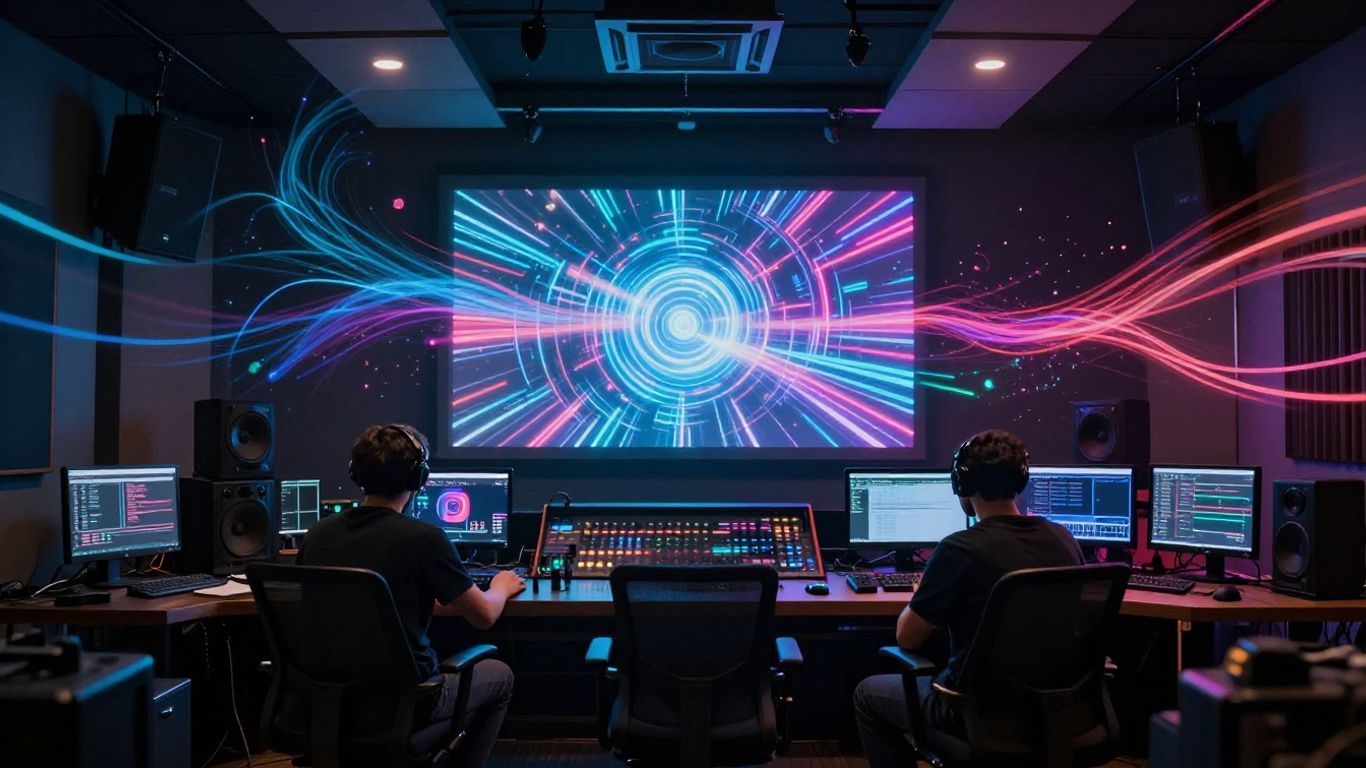
Forget juggling multiple apps. Today’s AI tools are built to handle both your music and visuals in one place. You can start with a simple text prompt and end up with a complete song and video. This means less time switching between programs and more time creating.
Eliminating the Need for Multiple Tools
Many platforms now offer a two-in-one solution. You can generate a song with AI vocals from text, then immediately use that audio to create a music video. This integrated approach simplifies the entire process. You don’t need separate subscriptions for music generation and video production anymore.
The All-in-One AI Music Video Generator
Think of it as a single creative hub. You input your ideas, and the AI handles the rest. It analyzes your audio, whether you generated it or uploaded your own, and produces synchronized visuals. This unified workflow is changing how quickly artists can bring their music to life visually. It’s designed for creators who want a straightforward path from concept to final product.
Practical Applications for Creators and Businesses
Empowering Independent Musicians
As an independent artist, you can now create professional-looking music videos without the massive costs and logistical nightmares of traditional production. AI tools let you translate your sound into compelling visuals quickly. This means you can keep pace with release schedules and maintain a strong visual presence online. You can finally match your music’s energy with equally dynamic visuals, all within your budget.
Streamlining Content for Social Media
For social media managers and content creators, AI music video generators are a game-changer. You can produce eye-catching videos for platforms like TikTok, Instagram Reels, and YouTube Shorts in minutes, not days. These tools automatically sync visuals to your audio, saving you hours of manual editing. This allows for rapid content creation and more consistent engagement with your audience. You can even generate multiple variations to see what performs best.
Custom Visuals for Brand Marketing
Businesses can use AI to create unique promotional content and background music for their marketing efforts. Imagine generating custom jingles with accompanying videos for ad campaigns or product showcases. This approach offers a cost-effective way to produce branded content that stands out. You can tailor the visuals and audio to perfectly match your brand’s identity and campaign goals. This makes your marketing more memorable and impactful.
AI music video generators are becoming essential creative partners. They expand the speed, flexibility, and accessibility of visual storytelling, rather than replacing human creativity. Many professional directors are now incorporating AI into their workflows as a powerful addition to traditional techniques.
Here’s a look at how AI tools can fit into your workflow:
- Independent Musicians: Generate full music videos for singles or albums, maintaining visual consistency across releases. This is especially useful for creating looping visuals for platforms like Spotify Canvas.
- Social Media Content: Quickly produce short, engaging clips optimized for vertical formats (9:16) for platforms like TikTok and Reels.
- Brand Marketing: Develop custom audio and video assets for advertisements, social media campaigns, or internal corporate videos.
When evaluating tools, always test a full track before committing. Fit matters more than hype. For more inspiration on hybrid creation, check out resources on AI-generated music and human composers.
Key Features of Modern AI Music Video Tools
Text-to-Song and Audio-to-Video Capabilities
Today’s AI tools can handle both sides of music video creation. You can start with just a text prompt, and the AI will generate a complete song, including vocals. This means you don’t need to be a musician to have original music for your video.
Alternatively, you can upload your own finished audio track. The AI then analyzes its rhythm, mood, and energy to create visuals that match. This flexibility lets you work with your existing music or create something entirely new.
AI Singing Vocals and Multi-Format Exports
Many tools now offer AI-generated singing vocals, making your generated songs sound more complete. You can get full vocal performances without needing a singer. This is a big step up from instrumental-only tracks.
When you’re ready to share, you’ll want the right format. Modern tools export videos in multiple aspect ratios. You can get vertical (9:16) for TikTok and Reels, square (1:1) for Instagram feeds, and standard horizontal (16:9) for YouTube. This makes your content ready for any platform.
Integration with Broader AI Ecosystems
Some AI music video platforms are part of larger creative suites. This means you can access other AI tools within the same service. Think AI avatars, face swapping, or image generation, all in one place.
This integration simplifies your workflow. You don’t have to jump between different apps and subscriptions. Everything you need for visual content creation can be managed from a single dashboard. It’s about making the whole process smoother and more connected.
Navigating the AI Music Video Production Process
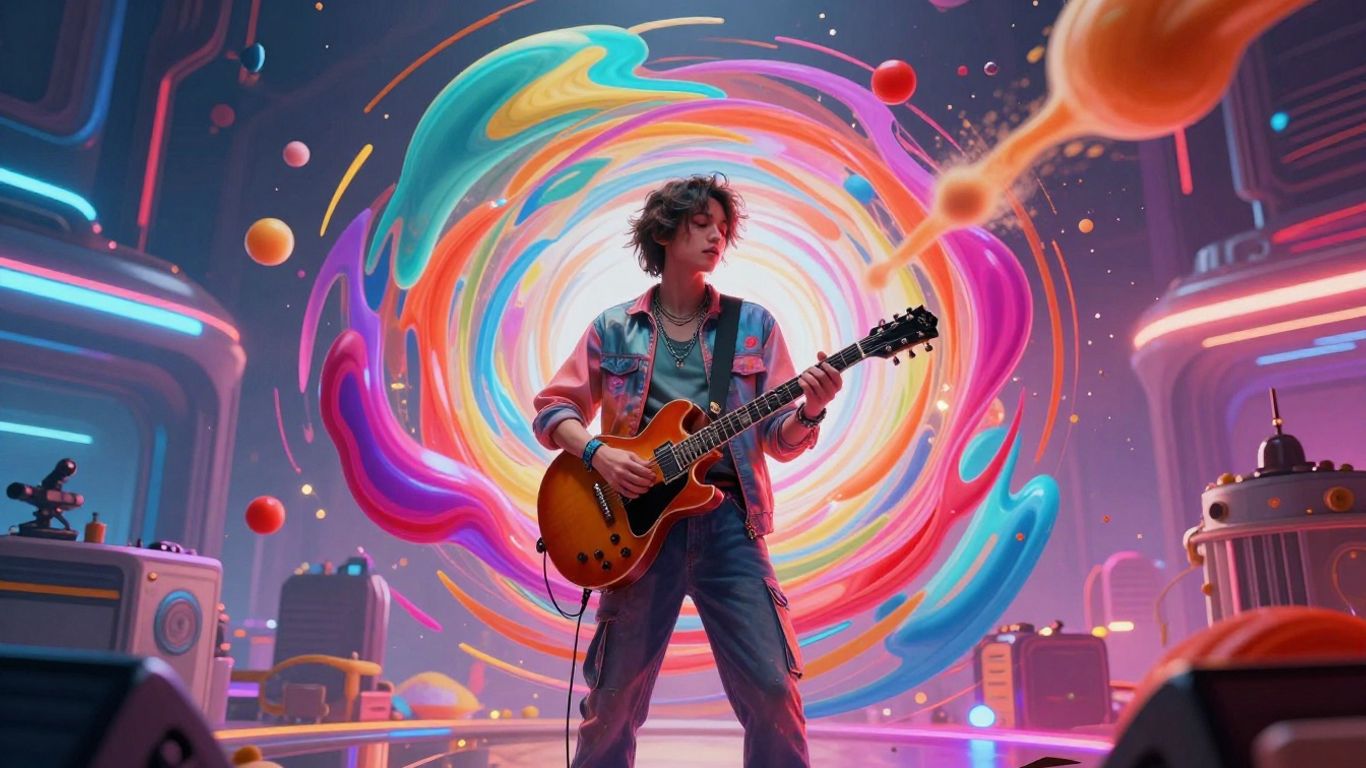
Creating an AI music video in 2026 is more straightforward than you might think. The process generally involves a few key steps, regardless of the specific tool you choose. You’ll want to have your audio track ready before you start. Most platforms accept common formats like MP3 or WAV. Some tools even let you paste a link from other music generation services.
Preparing Your Audio Track
Your audio file is the foundation. Make sure it’s finalized and in a compatible format. This could be an MP3, WAV, or another standard audio file. If you’ve used a service like Suno or Udio to create your song, you can often just upload the finished track directly. This step is about getting your music ready for the AI to analyze and visualize.
Configuring Visual Styles and Prompts
Once your audio is uploaded, you’ll guide the AI’s creative output. This involves selecting a visual style that matches your music’s mood and genre. You’ll also use text prompts to describe the scenes, themes, or emotions you want the video to convey. Clear, descriptive prompts lead to better results. Think about the story you want to tell visually.
Generating, Iterating, and Exporting
After configuring your settings, you’ll let the AI generate the video. Don’t expect perfection on the first try. You’ll likely need to review the output and make adjustments. This might mean tweaking your prompts, changing visual styles, or regenerating specific scenes. Most tools allow for this iterative process. Once you’re happy, you can export the video in various formats suitable for different platforms, like vertical for social media or horizontal for YouTube. You can transform your AI-generated songs into compelling music videos with modern AI tools here.
The AI analyzes your music’s rhythm, tempo, and mood to generate synchronized visuals. It’s designed to simplify video production without needing extensive technical skills or a large budget. The goal is to bring your sound to life visually, quickly and efficiently.
Real-World Impact and Future Trajectories
Major Artist Adoption and Case Studies
You’ve seen how AI tools are changing the game. Major artists are already jumping in. Linkin Park used Kaiber for their "Lost" video, blending anime with AI visuals. Kanye West and Ty Dolla $ign experimented with Midjourney and Runway for "Vultures," creating a distinct, unsettling vibe. Even Paul Trillo collaborated with Washed Out, using OpenAI’s Sora to craft a video with continuous zoom effects. These aren’t just experiments; they’re professional productions proving AI’s capability.
Cost-Effectiveness Compared to Traditional Methods
Think about the old way: hiring crews, renting studios, complex editing. It adds up fast. AI drastically cuts those costs. For a social media campaign that might have cost over $100,000 traditionally, you could be looking at under $100 with AI tools. This makes professional-looking music videos accessible to more creators than ever before. It’s a massive shift in production economics.
Predictions for Long-Form Narratives and Real-Time Generation
What’s next? Expect AI to handle longer narratives. Rumors suggest tools capable of generating consistent 10-minute videos are coming soon. This means you could potentially create an entire music video in one go. We’re also looking at real-time generation. Imagine describing a scene and having the visuals appear instantly. This could transform live performances and interactive content, making AI music generation even more dynamic.
This technology is already changing how we create and experience things, and it’s only going to get bigger. Imagine what’s next! Want to see how this is being used right now? Check out our website to explore the amazing possibilities and learn more.
Wrapping Up: Your AI Music Video Toolkit
So, that’s the lowdown on AI music videos in 2026. You’ve seen how far the tech has come, from basic animations to full-blown visual stories that sync up with your tunes. Tools like Creatus are making it easier than ever to go from a song idea to a finished video without needing a film crew or a massive budget. You can whip up a track and its visuals all in one place, which is pretty neat. It’s not about replacing human creativity, but giving you more power to bring your music to life visually. If you haven’t tried it yet, now’s the time to jump in and see what you can create.
Frequently Asked Questions
What’s the deal with AI music videos in 2026?
Imagine you have a song, right? Instead of spending tons of money and time filming, AI can now make a cool music video for you super fast! It’s like having a magic video maker that understands your music. By 2026, these tools are super good and can create videos that look really professional, almost like the ones big artists use.
Can I really make a song AND a video with AI?
Yep! Some tools, like Creatus AI, can actually help you make the song itself from just a text idea, and then turn that song into a music video. It’s pretty neat because you don’t need to use a separate tool for the music and another for the video. Everything happens in one place, making it way easier.
Do I need to be a tech whiz or a pro musician to use these tools?
Not at all! These AI tools are made so that anyone can use them. You don’t need to know how to edit videos or produce music. You just need your song (or an idea for one) and maybe some words to describe what you want the video to look like. The AI does the heavy lifting for you.
How long does it take to make an AI music video?
It’s super quick! Usually, you can get a music video generated in just a few minutes after you upload your song and give the AI some instructions. Some tools might take a bit longer if you’re doing more complex edits, but it’s way faster than traditional filming.
Are these AI videos good enough for, like, YouTube or TikTok?
Totally! The quality of AI music videos has gotten really good. They can create videos in different shapes and sizes (like for TikTok, Instagram, or YouTube) that look awesome and are ready to share. Even some famous artists are using AI for their official music videos now!
How much does it cost to make an AI music video?
You can actually start for free! Many AI tools have a free version where you can try things out. If you want more features or higher quality, the paid plans are usually pretty affordable, often costing less than $10 or $20 a month. It’s way cheaper than hiring a film crew!