Key Takeaways
AI can help you make a song, but copyright usually follows human creative input rather than a prompt alone. Treat ownership, licensing, documentation, and release clearance as separate questions.
- Separate the musical composition from the sound recording.
- A prompt alone may not establish human authorship.
- Review platform terms before commercial release.
- Keep drafts, edits, stems, licenses, and project files.
- Disclose AI assistance and register the human-authored portions.
1. Understand what copyright protects in AI music
The musicians guide to ai music copyright starts with a basic distinction: a song has more than one layer of rights. You may deal with the composition, the recording, the lyrics, a performance, and sometimes samples or visual assets. U.S. copyright law generally focuses on human authorship, while the legal treatment of generative tools continues to develop. A useful overview of AI music copyright can help you track the main rules without treating a generated file as automatically protected.
The difference between a musical composition and a sound recording
A musical composition covers the underlying music and lyrics, including melody, harmony, rhythm, and words. A sound recording covers a particular recorded performance of that composition. One person may write the song while another performer, producer, or label controls rights in the recording.
That distinction matters when you use an AI system. The generated arrangement may raise one question, while your edited lyrics, recorded vocal, or final mix raises another. Clear records should show which parts existed before generation and which parts you added afterward.
Why human authorship matters under U.S. copyright law
Copyright protection generally requires original human expression. If a system produces the entire melody, lyric, arrangement, and performance with no meaningful human control over the expressive result, your claim may be limited or unavailable. The U.S. Copyright Office continues to address these questions through its AI initiative and related reports, including work concerning generative outputs and training data.
Your strongest position comes from identifying your own creative choices. Human creative control matters when you select, rewrite, arrange, perform, or substantially edit the material rather than simply accepting the first output.
What a prompt can and cannot establish
A prompt can show your direction, taste, and intent, but it does not automatically turn an output into a copyrightable work. Describing a mood, tempo, genre, or topic may guide a system without giving you authorship of every resulting note. A prompt is useful evidence of process, not a substitute for expressive human decisions.
Keep the prompt, the generated versions, and your selection notes together. If you rejected ten outputs and reshaped an eleventh, that sequence gives a clearer account of your contribution than a final audio file by itself.
How lyrics, melodies, arrangements, and performances are treated separately
Lyrics can be protected when you write or meaningfully rewrite them. A melody, arrangement, vocal performance, and instrumental performance may each involve different contributors and different rights. You should not assume that owning an exported audio file means you own every underlying element.
Make a simple rights map before release. Mark who wrote the words, who changed the melody, who performed, who produced the recording, and what came from a tool. This keeps a later registration or license conversation grounded in specific contributions.
2. Determine who owns an AI-generated song
Ownership is not one universal answer. It depends on the platform agreement, the human contributions, the people involved, and the law that applies to your use. Read the terms in force on the generation date, save a copy, and compare them with your intended release. CREATUS.AI, for example, describes its music video service as accepting a prompt or uploaded audio and says paid plans offer full commercial rights, but commercial permission is not the same thing as copyright authorship.
Ownership rules in AI music platform terms
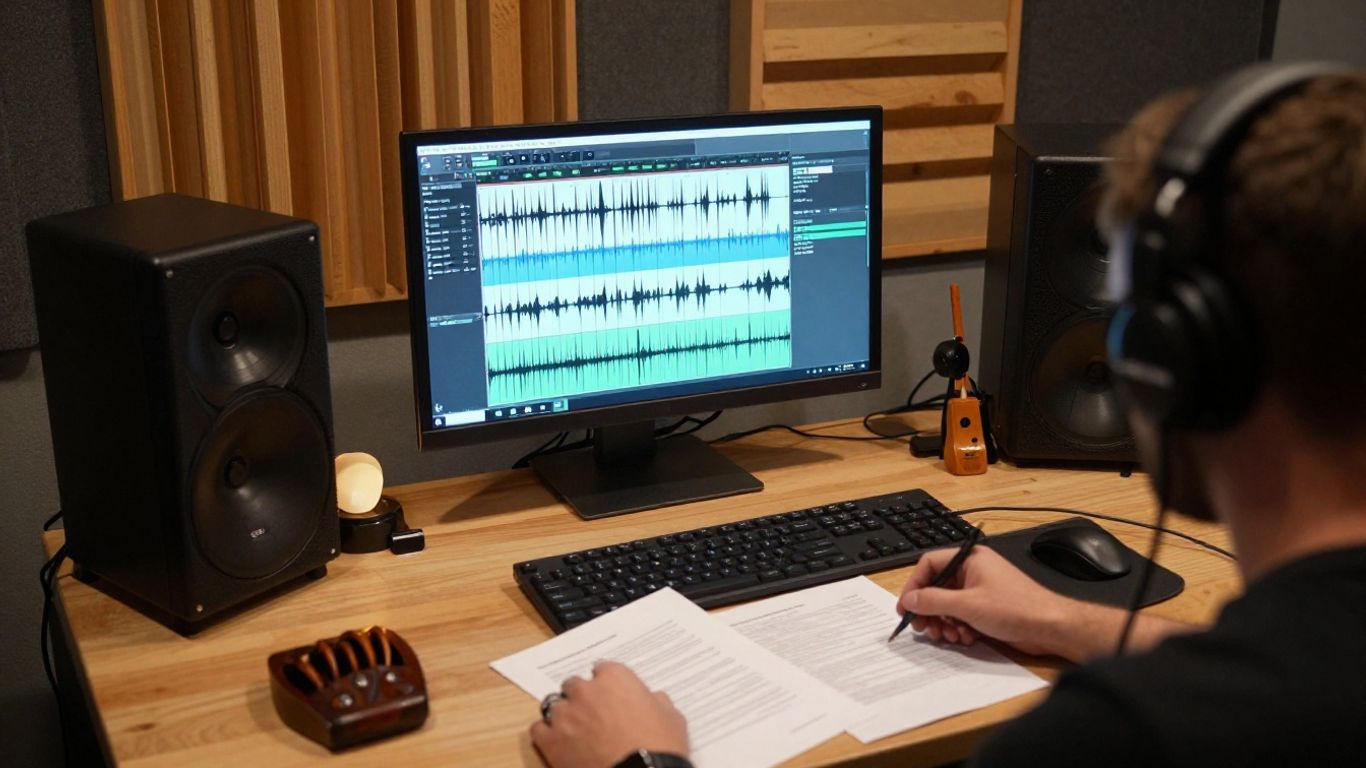
Platform terms may grant you permission to use an output, assign certain rights, or reserve rights for the service and its licensors. Some terms separate free and paid plans, while others impose limits on redistribution, resale, or client work. Read the definitions for output, input, user content, and commercial use instead of relying on a pricing label.
Save the terms as a PDF or screenshot when you generate the song. The agreement may change later, and a record of the applicable version can help you explain what permission you had at the time.
When the musician may own human-created contributions
You may own copyright in lyrics you wrote, melodies you composed, edits you made, and performances you recorded, assuming those contributions are original and no other agreement changes the result. Your ownership may cover only those human-authored portions rather than the complete AI output. That narrower claim can still be valuable for licensing and enforcement.
Separate your files by contribution. Keep the original generation, your edited session, and your final recording available so you can describe the boundaries of your claim accurately.
Why a paid subscription does not automatically grant copyright
A paid subscription can provide a commercial-use license without making you the author of machine-generated expression. It may also remove a watermark or expand permitted distribution while leaving copyright questions unresolved. The distinction between permission to use and ownership of copyright deserves its own line in your release notes.
Use a rights table when comparing tools or plans. It forces you to check the practical details rather than treating every paid tier as equivalent.
| Question | What to check | Why it matters |
|---|---|---|
| Commercial use | Whether paid or free outputs may earn revenue | Streaming and client work may have different rules |
| Output rights | Whether the platform assigns, licenses, or limits rights | Permission may not equal authorship |
| Inputs | Rules for lyrics, recordings, and reference audio | Your uploads may carry separate obligations |
| Distribution | Limits on resale, sync, ads, or platforms | A release plan can exceed a basic personal license |
Use the answers to decide whether the output fits your release. If the terms remain vague, ask the platform or a qualified music attorney before promising exclusive rights to someone else.
How co-writers, producers, labels, and collaborators affect ownership
Your collaborators can own or control rights even when AI helped begin the track. A co-writer may share the composition, a producer may have contractual rights in the master, and a label may receive an assignment or exclusive license. A vocalist may also control permission for a performance or recognizable identity.
Write down splits before publication. Do not describe the entire song as yours if another person contributed protected material or signed a contract covering the recording.
3. Identify copyright risks before releasing AI music
A clean export does not prove that every element is safe to publish. You still need to listen for unwanted similarity, inspect the vocal source, and check the tool’s rules. Training-data disputes and synthetic-voice questions remain unsettled in many places. The U.S. Copyright Office AI reports are a useful public reference, but they do not replace advice about your particular release.
Similarity to existing songs, artists, or copyrighted recordings
Do not ask a system to reproduce a living artist’s recognizable style, voice, or signature song. Also listen for melodies, lyrics, hooks, and arrangements that sound unusually close to a known work. Similarity does not automatically prove infringement, but it can create an expensive dispute.
Run a human review before distribution. Compare questionable passages against your reference playlist, then rewrite or replace anything that feels copied rather than merely influenced by a broad genre.
Unauthorized samples, interpolations, and cloned voices
A sample uses part of an existing recording, while an interpolation recreates elements of a composition. Both can require clearance. A cloned or imitative voice may raise separate publicity, performer, contract, or unfair-deception concerns even when no audio sample appears in your file.
Ask these questions before you publish:
- Did you upload audio you have permission to use?
- Does any vocal resemble a recognizable performer?
- Did a collaborator approve the final edit and release?
- Can you prove the source and license for each external element?
Answering these questions early is cheaper than handling a takedown after release. If you cannot identify a source, remove the element or get legal advice before using it commercially.
Training-data concerns and unresolved legal questions
AI training disputes can affect platforms, creators, and rights holders in different ways. A user may not know what data trained a model, whether a system memorized a work, or how a court will assign responsibility. The law can also differ between countries, so a release cleared in one territory may face another standard elsewhere.
Keep your claims modest. Say what you know about your process and license, and avoid promising that a track is universally copyright-safe when the underlying legal questions remain open.
Platform restrictions on commercial use and distribution
A tool may allow personal listening but restrict monetization, advertising, client work, or distribution through a label. Free plans can have different rules from paid plans, and uploaded reference audio may carry separate limits. Read the current terms before you upload material or accept payment.
For a practical distribution review, compare your plan with the guidance on publishing AI songs. Your distributor, streaming service, and music tool may each impose different disclosure or rights requirements.
4. Build a copyrightable human contribution
You improve your legal position when you make identifiable creative decisions after generation. Start with a rough output if it helps, then rewrite, perform, edit, arrange, or replace parts in your own voice. The goal is not to add cosmetic changes; it is to create original expression that you can explain. A strong AI song workflow keeps your artistic judgment at the center.
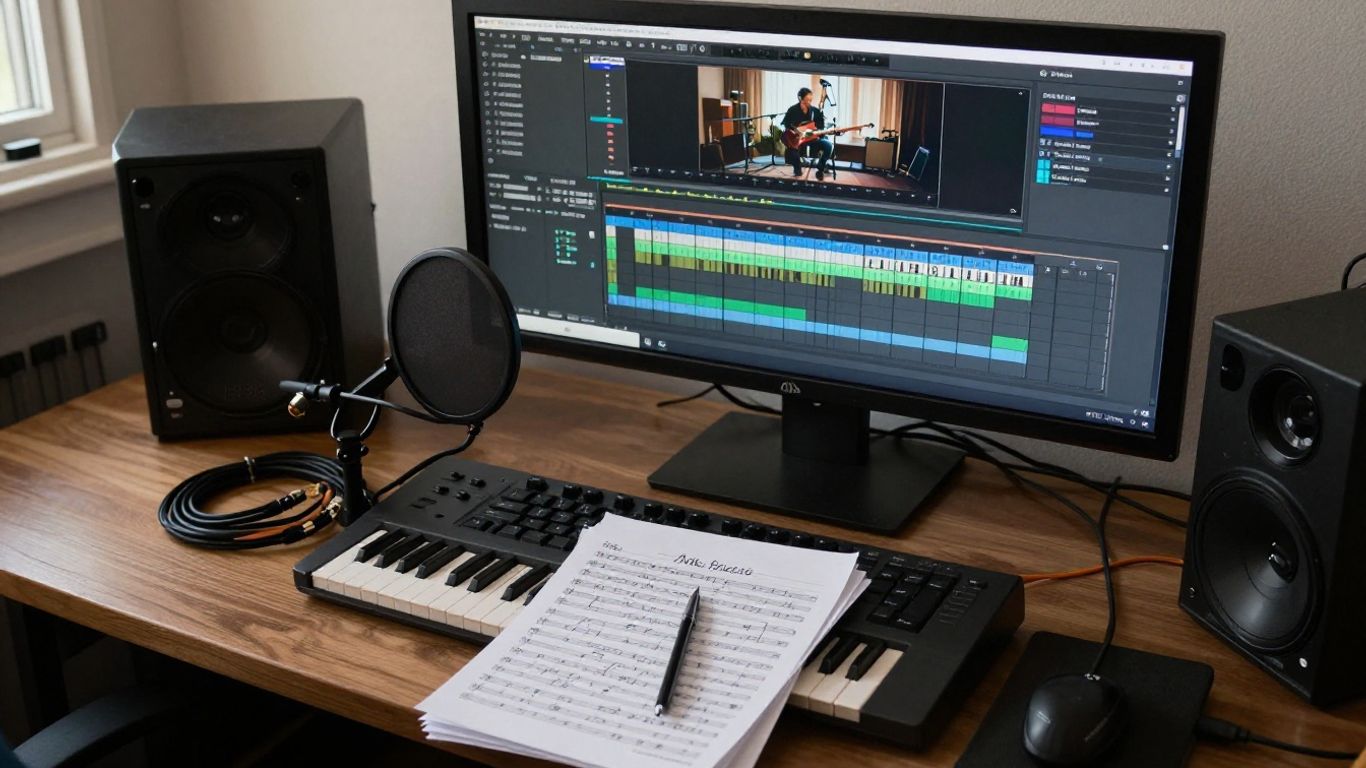
Rewrite AI-generated lyrics and develop original musical ideas
Treat generated lyrics as raw material, not finished authorship. Replace generic lines, change the point of view, add specific images from your own experience, and reshape the rhyme and cadence. You can also write a new chorus or bridge that changes the song’s emotional direction.
Save both versions. Your notes should show which lines came from the system and which lines you wrote, removed, or reorganized.
Edit melodies, harmonies, structure, and instrumentation
Meaningful musical changes can include rewriting a melody, changing chord movement, moving sections, creating a counterline, or choosing a distinctive instrumental arrangement. You do not need to change every bar, but your decisions should shape the expressive result. Simple trimming or volume adjustment may not be enough on its own.
Make the session readable. Label your edits, mark the date, and export intermediate versions so another person can follow how the song developed.
Record or substantially transform the vocal and instrumental parts
Your own vocal or instrumental performance adds a clear human layer to the recording. You can also replace generated parts, re-record a chorus, play new harmonies, or process the audio in a way that materially changes the result. Those acts may create rights in your performance and recording even if the starting point came from a model.
If you use a service that turns text into a full track with AI singing vocals and converts audio into a music video, keep the generated file separate from your own recorded takes. That distinction helps you describe exactly what you contributed.
Document creative decisions that demonstrate human authorship
Documentation should be practical, not theatrical. Record why you chose an output, what you changed, who performed each part, and which files belong to the final version. A clear timeline can support a registration, a license review, or a response to a platform question.
Do not overstate the record. The file should show real decisions, not a collection of prompts created after the song was finished.
5. Protect and register your AI-assisted music
Registration does not transform purely machine-generated material into human-authored work. It gives you a formal record for the portions that qualify and requires accurate disclosure. Before filing, review the AI music registration guidance alongside the current application instructions. You can also use copyright ownership guidance when separating a license to use from a claim of authorship.
Keep prompts, drafts, stems, edits, and project files
Keep the complete project folder, not just the mastered MP3. Include prompts, generated alternatives, lyrics drafts, MIDI or audio edits, stems, session files, and notes about performances. Back up the folder in more than one location with dates intact.
A version history can answer simple questions later: what did the tool generate, what did you select, and what did you personally change?
Review metadata, licenses, and generation dates
Check the artist name, composer field, contributor credits, file dates, and embedded metadata before delivery. Save the platform plan, terms, invoice, and license connected to each generation. Metadata should support your account of the work, not imply that a machine or unknown party wrote everything.
Use consistent filenames. A structure such as song-title, date, version, and contributor makes the archive easier to audit.
Disclose AI assistance accurately in a copyright application
Describe the AI contribution honestly and identify the human-authored material you want protected. Do not claim authorship over generated passages you did not meaningfully control. If the application asks for excluded material or additional information, follow its instructions rather than hiding the tool’s role.
Legal forms change. Check the current requirements when you file and consult a copyright professional if the work combines several contributors, recordings, or territories.
Register the human-authored portions of the composition and recording
You may register qualifying lyrics, melodies, arrangements, performances, and recording choices that you made. The application should distinguish those portions from material produced without sufficient human authorship. A registration is strongest when your deposit and description match your project files.
Think in layers. You may have one claim for the composition, another for the sound recording, and separate agreements for collaborators or licensed material.
6. Use AI music tools under the right license
Choose a tool based on the rights you need, not only the sound it produces. Commercial use, ownership, output exclusivity, reference uploads, and client delivery should all appear in your comparison. Terms can vary by plan and change over time. CREATUS.AI states that its service supports prompt-based song creation, uploaded audio, and music video output, with full commercial rights on paid plans, so check the current agreement before relying on that permission.
Compare commercial-use rights across AI music platforms
Make a short comparison for every service you use. Check whether the free tier permits monetization, whether paid plans cover client work, and whether the license continues after cancellation. Also look for territory, duration, resale, and exclusivity language.
Do not describe a commercial-use license as proof that you own copyright. It may simply authorize specific uses of an output.
Check ownership language for generated vocals and instrumental tracks
Read the sections covering voices, performances, and output files separately. A generated vocal may be licensed for use without granting rights in a person’s identity, and an instrumental track may include restrictions that do not appear in the headline plan. Save the exact language that applies to your account.
If the terms are silent on a major use, treat that silence as a reason to ask questions. Do not infer permission for advertising, sync, or resale from a general statement about personal use.
Confirm rules for uploads, remixes, and reference audio
You remain responsible for material you upload unless the agreement clearly says otherwise. Use only lyrics, recordings, voices, and reference tracks that you have permission to submit. A remix can combine the platform’s output with your protected source material, creating more than one clearance issue.
Keep a source log for each upload. It should name the owner, permission, date, territory, and permitted uses.
Review restrictions on streaming, sync licensing, advertising, and client work
Streaming delivery may differ from sync licensing, paid advertising, or work made for a client. Some services allow one use but prohibit sublicensing or exclusive transfer. Read the distributor’s rules too, since a platform can reject a track even when your music tool permits the use.
Before signing a deal, ask whether the buyer needs exclusive rights, a warranty, stems, or proof of human authorship. Match the promise to the rights you actually hold.
7. Follow a release checklist for AI-assisted songs
Release day should come after a rights audit, not before it. Review the audio, artwork, credits, metadata, licenses, and platform disclosures as one package. CREATUS.AI can turn a prompt or uploaded song into a shareable music video, so if you use that workflow, review the video assets as carefully as the track. Keep release documentation ready for your distributor and future collaborators.
Audit every lyric, melody, sample, voice, and visual asset
Listen from start to finish with fresh ears. Check every lyric, hook, sample, vocal, image, animation, and background element for a known source or an unclear permission. Do the same review on the video, since visual assets can create separate copyright and likeness issues.
A final audit should answer four questions:
- Who created or supplied each element?
- What permission covers that element?
- Is the permission broad enough for this release?
- Does the metadata describe the work honestly?
Keep the audit with the release folder. If a distributor or rights holder asks a question, you can answer from records instead of memory.
Confirm clearance for collaborators and recognizable performers
Get written approval from co-writers, producers, performers, and anyone whose voice or likeness appears. A familiar voice can create risk even when the song contains no copied recording. Confirm who can approve edits, distribution, promotion, and later licensing.
Use split sheets and contributor agreements before the track goes live. Verbal permission is difficult to prove when a release starts earning attention.
Separate fully AI-generated material from human-authored elements
Mark generated sections, human edits, performances, and third-party material in your internal notes. This helps you make accurate registration statements and answer questions from a distributor. It also prevents you from promising exclusive ownership over material that may not qualify for it.
Transparency does not weaken a thoughtful release. It gives partners a clearer view of what they may license and what remains subject to another person’s rights.
Store contracts, licenses, source files, and publishing records before distribution
Create one archive with contracts, platform terms, invoices, prompts, source audio, stems, artwork licenses, split sheets, registrations, and publishing data. Keep dated backups and limit editing access once the final package is approved. If you later make a new version, preserve the old release folder.
You can also review streaming AI music rules before delivery, since services may label content differently or apply takedown rules to disputed material. When the archive is complete, distribution becomes a controlled handoff rather than a guess.
Make the Video
Once your song and rights are in order, use start creating to turn a prompt or your own track into a music video workflow with CREATUS.AI. Its service can generate songs with AI singing vocals and turn audio into a shareable music video, while paid plans offer commercial rights according to the supplied product information.
Conclusion
AI can speed up songwriting and production, but your rights depend on more than the export button. Separate composition, recording, licensing, and authorship; add meaningful human expression; keep a careful record; and release only after every contributor and asset is cleared.
Frequently Asked Questions
Can an AI-generated song receive copyright protection?
A song made entirely by a system may not qualify for copyright protection in the United States because copyright requires human authorship. Human-written lyrics, melodies, arrangements, performances, and substantial edits may qualify separately.
Does writing a detailed prompt make me the copyright owner?
A detailed prompt can show intent and direction, but it usually does not establish authorship of every expressive element in the output. Your claim is stronger when you make identifiable creative changes to the result.
Does paying for an AI music subscription give me copyright?
No. A paid plan may grant permission for commercial use, remove restrictions, or provide a broader license. Those permissions do not automatically make you the author of machine-generated material.
Can I release AI-assisted music on streaming services?
You may be able to release it if you have the required licenses, meet the distributor’s rules, disclose AI use when required, and avoid infringement. Check the current policies of both the music tool and the distributor.
Should I register a song that includes AI-generated material?
You can consider registering the human-authored portions if they contain original expression. Describe the AI contribution accurately and avoid claiming protection for material you did not create.
Are AI-generated vocals legally safe to use?
Not automatically. A generated vocal can raise licensing, performer, identity, publicity, or likeness concerns, especially when it resembles a recognizable person. Review the tool’s terms and obtain permission where needed.
What records should I keep for an AI-assisted song?
Keep prompts, outputs, drafts, lyrics, stems, session files, edits, contributor agreements, platform terms, invoices, licenses, metadata, and generation dates. These records help you explain authorship and respond to rights questions.