Key Takeaways
Marketing success relies on fresh assets, and AI tools now allow brands to create professional music videos quickly. These five points reflect why brands are moving toward AI production.
- AI generators reduce the time and budget required for professional music video production.
- Unified platforms create cohesive audio and visual content in one workflow.
- Short form video reach improves when brand jingles match visual storytelling.
- Scalable content production allows brands to maintain consistency across various social channels.
- Data driven iteration helps refine future brand messaging based on real performance metrics.
Why brands are pivoting to AI-generated jingle videos
Marketing teams face pressure to produce content consistently across platforms while keeping budgets manageable. Using specialized AI tools gives brands a way to keep audio branding front and center. You can now generate high quality music and visuals that align with your company goals without hiring external production crews.
Lowering production costs for promotional content
Traditional video shoots for branded content often require expensive studios, cameras, and editing staff. By replacing these manual steps with AI jingle videos, you save your business significant upfront capital. This shift allows teams to redirect funds toward ad placement and strategic outreach efforts.
Scaling creative assets for social media platforms
Social channels demand a high volume of content to stay visible to audiences. Without efficient tools, your team might struggle to keep up with the need for fresh clips. An automated workflow lets you generate dozens of unique variations of your audio and video assets in a fraction of the time.
Enhancing brand recall through audio-visual unity
When a specific sound accompanies unique visuals, consumers remember the brand more clearly. The combination of targeted audio and matching animation creates a strong connection that static ads lack. You can ensure your jingle becomes a recognizable signifier for your audience across every touchpoint.
Increasing agility for rapid marketing campaigns
Trends in social media move quickly, often leaving brands behind if content takes weeks to produce. Generating assets in real time gives your team the speed to capitalize on new market conversations. You stay relevant by matching your branded promotional materials to current audience interests immediately.
Techniques for crafting an ai music video for brand jingle
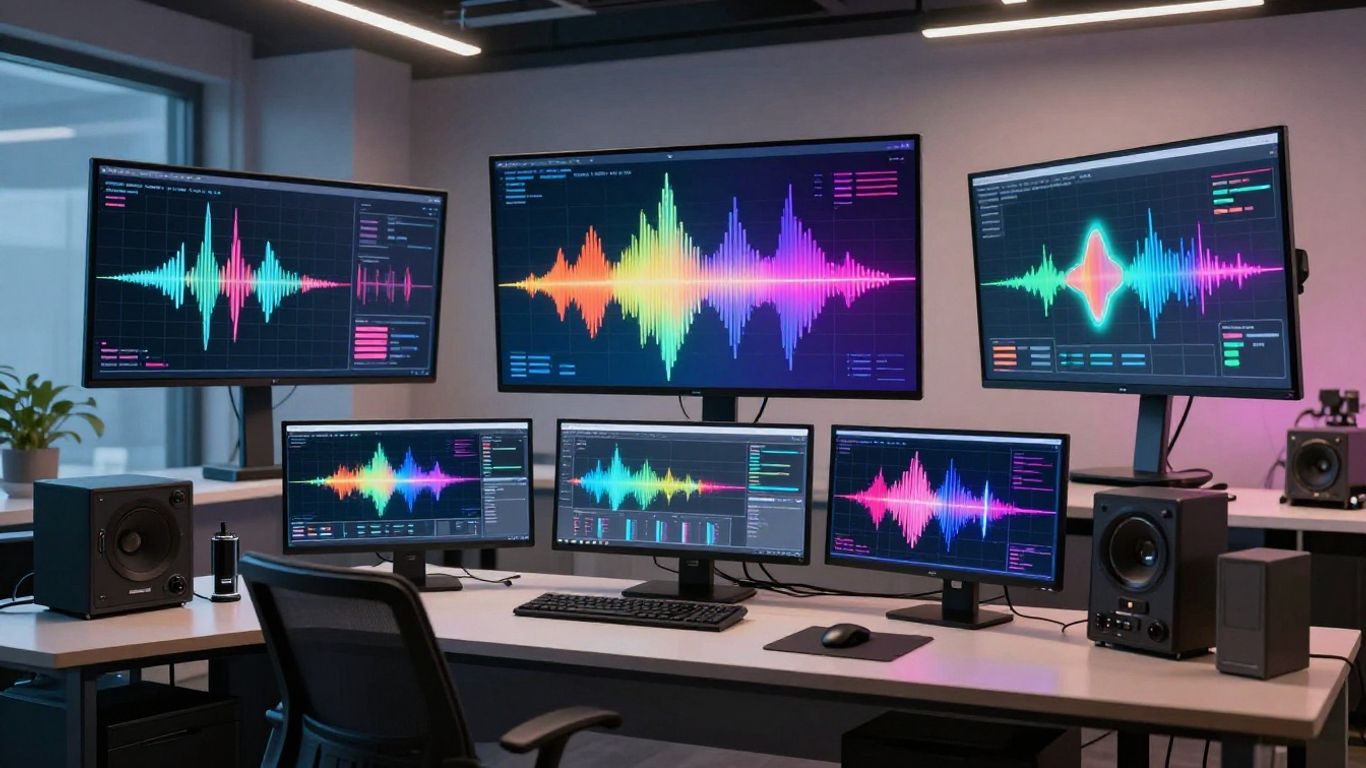
Developing an ai music video for brand jingle requires a clear vision for the audio style first. You start by defining the vibe of your track, which the AI then turns into a synchronized visual experience. This process allows your team to keep control while the model handles the heavy lifting of composition and rendering.
Defining song mood and tempo to match brand identity
Match your audio settings to the intended reaction from your audience. An upbeat tempo works best for fast paced sales, while slower, melodic tones suit luxury or long form content. The AI needs a clear prompt to ensure the output aligns with your existing brand guidelines.
Writing lyrics that reinforce unique value propositions
Lyrics must act as short, memorable hooks rather than dense blocks of information. Focus on the core reason your product solves a problem, then repeat that core promise at least twice within the track. Short snippets help the AI generate clearer vocal results during the song creation stage.
Incorporating AI vocals to humanize corporate messaging
Machine generated voices now possess a level of tonality that sounds natural to the average listener. By using platforms like CREATUS.AI, you get access to vocal models that add personality to your ads. These voices prevent your corporate messaging from feeling too flat or detached.
Balancing creative control with core brand guidelines
Maintain strict oversight on visual themes and color palettes to keep the work on message. Even though the tool generates the video, you choose the inputs and style tags that guide the final output. This process ensures the result remains consistent with your core visual identity.
Converting branded audio into visual sequences
Turning your finished audio file into video requires attention to technical details such as pacing and aspect ratios. The goal is a finished product that feels deliberate, not like a random montage of images. You want your visuals to support the message of the brand at every turn.
Key technical criteria for reliable audio-to-video generation
Good visual results start with clean audio files that have clear structure. Ensure your music has consistent volume levels and identifiable rhythm sections if you want the visual transitions to hit on beat. Poor input quality can lead to jarring visuals that confuse the viewer.
Selecting visual styles that mirror professional branding
Choose a visual approach that aligns with your specific industry needs. Using a consistent set of parameters helps align your output with professional standards, ensuring your brand looks cohesive in every instance.
| Visual Style | Best For | Audience Focus |
|---|---|---|
| Minimalist | Professional services | Corporate reliability |
| Vibrant Animation | Consumer apps | Youth and lifestyle |
| Cinematic Story | Product launches | Luxury and detail |
This stylistic alignment is important for preventing your content from appearing repetitive or generic. A well selected style helps your audience identify your clips even before the music starts playing.
Matching temporal pacing between visuals and musical beats
Synchronizing your visual transitions to the beat of the song is essential for keeping viewer attention. Fast cuts should happen on strong percussive moments, while slower transitions work better during melody swells. When the pacing feels natural, the viewer stays engaged for the entire duration of the clip.
Customizing video styles for diverse promotional requirements
Adapt your visual style based on whether you are running a direct response campaign or a long term awareness initiative. One approach might focus on bright colors for a seasonal sale, while another leans into clean lines for brand education. Always adjust your style parameters to meet the specific intent of the promotion.
Streamlining production with all-in-one AI workflows
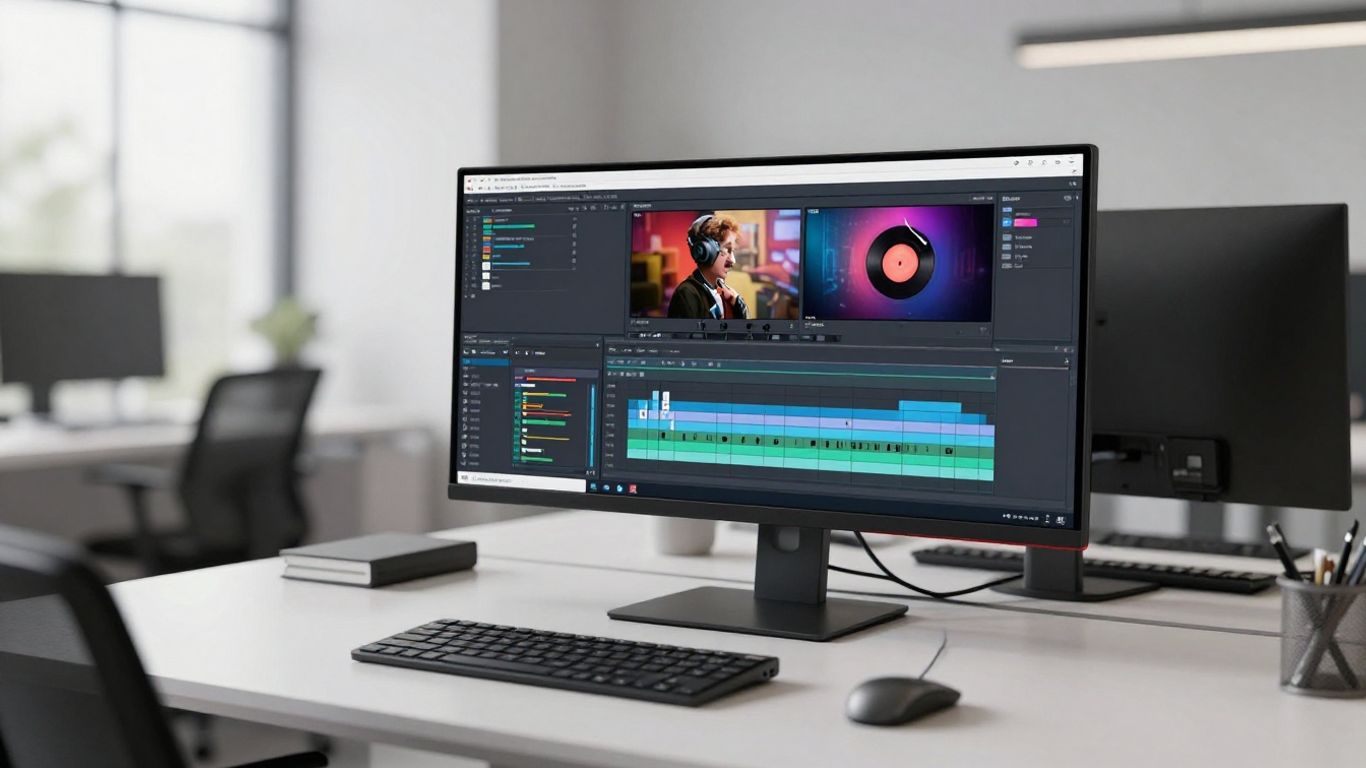
Working with fragmented tools makes a professional outcome difficult to achieve. A unified workflow gives you a clear path from a single text prompt to a finished file without moving between multiple programs. This setup keeps your creative intent focused on the final message rather than the mechanics of production.
Differentiating between disjointed toolsets and unified platforms
Disjointed setups often lead to quality gaps between your audio and your visual tracks. Using a platform that handles both steps keeps your assets logically connected. This removes the risk of mismatched styles or technical errors during the transition from sound to vision.
Reducing reliance on specialized music and video editing skills
Your marketing team does not need to be a full service agency to produce results. With the right tools, team members can fill gaps in production capability easily. This democratization means you spend less time outsourcing work and more time managing internal output.
Integrating generated assets into the existing marketing stack
Properly exporting your generated content allows it to flow directly into your tracking systems or social media scheduling tools. Consider this a core part of your process instead of an afterthought.
- Define your target file format early in the creation session to prevent re-rendering later.
- Archive original raw assets in your cloud library for potential future remixing.
- Label version names based on the campaign intent to stay organized.
- Distribute final files to the relevant account managers on the same day.
Building this discipline ensures that your team maintains high throughput as you produce more content over time. Effective asset management is the difference between a high volume output and a series of disorganized tasks.
Minimizing the time between ideation and final export
Fast generation tools allow your group to move from a morning meeting to an afternoon campaign launch. Eliminating manual edits or waiting periods helps your team capture momentum. You save time by using presets that match your verified ad standards, leading to faster results.
Optimizing branded content for social media performance
Even the best music video will fall flat if it ignores the unique requirements of the platform where it lives. TikTok and Instagram have specific behaviors that dictate whether a user stops scrolling to watch your content. You must account for these platform specific nuances early in the creative phase.
Choosing optimal aspect ratios for TikTok, Reels, and YouTube Shorts
Vertical video remains the standard for mobile discovery, and 9:16 aspect ratios are essential. Any video not optimized for full screen viewing on a phone often receives lower priority in algorithmic reach. Make sure your generator is set to vertical mode before you output the final export.
Adapting audio-visual assets for mobile-first user behavior
Users on mobile devices expect instant visual feedback. Keep your main brand elements in the center of the frame and avoid placing text near lower corners where platform interface icons exist. Clear visuals ensure your brand message remains visible even when someone watches your video without sound.
Leveraging short-form trends to increase jingle visibility
Short, catchy segments from your main jingle can serve as the backdrops for trending visual formats. You do not need to use the full track in every single iteration. Repurpose the best parts of your jingle as audio layers that others might use, broadening the reach of your brand through native platform features.
Measuring audience engagement to refine future brand content
Look at your analytics to see which specific visual styles or pacing speeds gain the most views or shares. These data points act as a direct guide for your next round of creation. Improving content via feedback loops allows you to build a stronger library over time.
Best practices for AI-driven brand identity
Reliability is the foundation of any brand identity, even when machines produce the content. You should establish a consistent look and sound that stays recognizable to your audience, no matter how many assets you generate. A single style guide helps keep all AI outputs aligned with the broader company voice.
Maintaining atmospheric consistency across different campaigns
Pick a limited set of visual prompts and tonal settings that serve as your default starting points. When every clip feels like it comes from the same source, you build higher credibility. This consistency helps viewers recognize your content even if they skip through the first few seconds.
Navigating intellectual property considerations for AI assets
Always understand the commercial rights of the platform you use to guarantee that your brand owns what it generates. Using trusted tools like CREATUS.AI ensures that the work produced is clear for your commercial use. Keeping clear records of your generation parameters also helps if you ever need to prove the origin of your assets.
Iterating on music video content based on performance analytics
Treat each video as a test case. If an ad performs better during certain times of the day, replicate the style and tempo of that clip in your next batch of content. Data driven iteration is more effective than relying on guesses.
Training internal teams to manage AI music production workflows
Knowledge is your biggest asset for long term efficiency. Set aside time for team members to experiment with different style prompts and vocal options. A well trained team can adapt to new trends instantly, keeping your brand competitive in a busy market.
Conclusion
Turning branded audio into professional music videos is no longer a task reserved for expensive studios. By utilizing the speed and scalability of AI platforms, you can create consistent visual storytelling that resonates with your audience on every major social channel. Start experimenting with these workflows today to see how quickly you can scale your brand presence.
Frequently Asked Questions
Can I use AI to generate music videos for any industry?
Yes, AI tools are flexible enough to support most business areas, from consumer tech to professional services, by adjusting the visual prompts and audio styles.
Do I need to be an expert in music production to make these videos?
No technical background is required because the AI handles the composition, synching, and rendering, allowing you to focus purely on the creative vision.
How do I ensure my brand videos have a consistent identity?
Setting a standard set of prompts, color palettes, and vocal styles allows you to generate new, unique content that still feels like it was created by your brand.
What platforms are best for sharing AI music videos?
Vertical-focused platforms like TikTok, Instagram Reels, and YouTube Shorts are the most effective for reaching users, as they prioritize fast paced, mobile-first content.
Can I use my own audio files in an AI video generator?
Most advanced AI platforms allow you to upload your own MP3 or WAV files, letting you pair your existing custom jingle with AI-generated visuals.
How much time does it take to create a high quality music video?
With an integrated all-in-one AI platform, you can move from a simple idea to a final, export-ready visual sequence in a matter of minutes.
Is it possible to generate commercial rights for my AI content?
Always check the terms of your AI platform, as many dedicated creative tools offer commercial licenses on their paid plans, ensuring you own what you produce.