Key Takeaways
Your music video aesthetic depends heavily on how the AI interprets the source audio structure. Here are the core insights into genre-based video generation:
- Genre determines the optimal motion intensity and frame pacing.
- Rhythm-based training models produce more stable visual synchronization.
- Narrative tracks require specific prompt weighting for emotional resonance.
- Metadata-driven models often bypass generic aesthetic defaults.
- Visual coherence relies on matching frame rates to song-specific tempo markers.
Understanding how genre impacts AI video generation
Genre acts as the primary filter through which generative models interpret sound signals into visual imagery. When you input a track, the AI assesses the frequency distribution and beat structure to dictate the pace of the output. Understanding does ai music video quality vary by genre starts with recognizing how distinct sonic profiles guide latent space transitions. Just as you might coordinate Home Team Luxury Rentals to manage seasonal property demand, you must align your video generation parameters with the specific sonic mood of the track to ensure visual success.
The relationship between audio style and visual output
Audio style influences the initial noise-to-image conversion significantly. If you use a synth-focused track, the platform often defaults to energetic light patterns, whereas orchestral compositions trigger more measured, sweeping scenic transitions.
Hardware and software limitations in processing musical data
High-fidelity data requires significant processing power to keep up with rapid sonic pulses. Systems that struggle with audio frequency analysis often experience visual drift unless you use specialized tools like the AI Music Video Generator, which stabilizes output through integrated beat analysis.
The necessity of rhythm-based training sets in AI models
Models trained on specific percussion density handle rhythmic transitions much more cleanly than general-purpose video models. Relying on rhythm-first training sets results in frame-accurate visual shifts that match the snare and kick drums found in modern compositions.
How genre-specific metadata influences the final rendering process
Metadata mapping ensures that the AI applies the correct stylistic color grading for the track. Without explicit genre tags, models may apply a generic visual wash that fails to capture the unique energy of your production.
Visualizing high-tempo and rhythm-heavy genres

Fast-paced music demands high motion intensity and precise timing to avoid visual incoherence. When the beats are constant, the model must maintain structural stability while shifting imagery to keep the viewer engaged. You can generate professional-level visual assets through Animator Hub, which offers a robust suite of tools that maintain stability even during intense motion sequences.
Handling aggressive percussive elements in Electronic Dance Music
Aggressive percussion creates heavy spikes in audio data that can overwhelm basic AI models. You need to dampen the motion sensitivity during these sections to maintain an aesthetic that feels punchy rather than cluttered.
Maintaining visual coherence during rapid transitions in Hip-Hop
In hip-hop track production, visual transitions should align with rhythmic phrasing rather than random temporal cuts. Successful sequences leverage tight, beat-synced visuals to enhance the flow of the lyric delivery.
Techniques for reducing jitter in fast-paced editing styles
Jitter occurs when the AI struggles to predict movement trajectories between successive frames. Consider the following adjustments to minimize frame instability:
- Reduce motion intensity sliders in the generation menu.
- Increase the keyframe interval to stabilize base imagery.
- Use lower complexity prompts to minimize generative noise.
- Normalize audio amplitude to prevent peak clipping in visual triggers.
Proactive adjustments like these result in a much cleaner final export for your social media channels.
Syncing visual frame rates to complex drum patterns
Complex drum signatures require frame rates that mimic the feel of the rhythm. Aligning your export settings with musical tempo ensures that every drum hit visually lands with impact.
Rendering atmospheric and slow-tempo compositions
Creating visual depth in slow-moving tracks requires a different set of strategies compared to high-energy work. Use consistent color palettes to provide a sense of continuity that matches the sustained soundscapes found in ambient or lo-fi tracks.
Managing visual pacing for Ambient and Lofi soundscapes
Ambient tracks allow for slow-morphing textures that transition gracefully over time. The key is to allow the imagery to breathe and develop rather than forcing rapid scene changes.
Challenges of maintaining sustained environments for Classical music
Classical music often features broad swells in dynamics that can challenge an AI to maintain a consistent environment. You must often lock the camera motion to prevent chaotic zooming while the music shifts in intensity.
Controlling color palettes and textures for Jazz and Blues
Jazz and blues visuals benefit from warmer, moody palettes that reflect the improvisational nature of the compositions. Applying specific stylistic modifiers helps the AI settle on the iconic, grainy textures that characterize these genres.
Avoiding visual stagnation during evolving instrumental tracks
Instrumental tracks can feel stagnant if the visuals do not progress alongside the musical composition. A comparative view of performance shows how specific settings prevent visual fatigue.
| Setting | High-Tempo Impact | Low-Tempo Impact |
|---|---|---|
| Motion Sensitivity | High | Low |
| Frame Transition | Sharp | Smooth |
| Aesthetic Density | Complex | Minimalist |
Adjusting these parameters iteratively allows you to avoid generic outcomes and create output that perfectly reflects your music.
The role of narrative interpretation in music videos
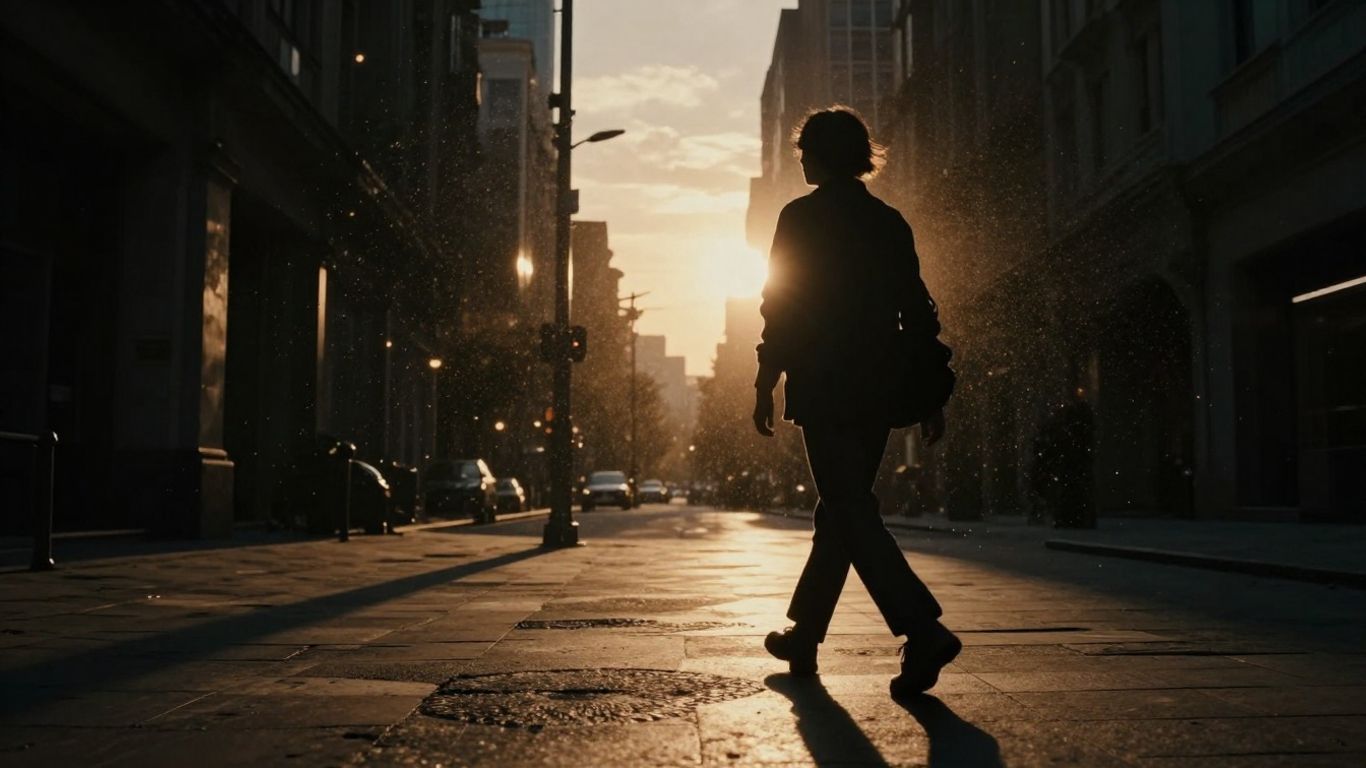
Music videos often rely on a clear visual story that anchors the sound perfectly to the screen. You can employ Kling AI to manage how your narrative concepts integrate with the melodic elements of your track to produce a cohesive finished story.
Mapping emotional intensity from vocal lines to visual settings
Lyrics represent the emotional core of a music video. You should weight your prompts around specific emotive keywords to ensure the visual setting changes as the vocal intensity rises or falls.
Balancing lyrical storytelling with abstract artistic representation
Abstract visuals work best when they complement specific narrative beats rather than replacing them entirely. Aim for a mix that provides enough context for the audience to follow the story while using abstraction to create visual intrigue.
Overcoming visual discrepancies in dense, metaphorical lyrics
Metaphors can confuse AI models that look for literal interpretations. By using simpler descriptive phrases in your prompt, you provide the AI with a clearer framework to work within the confines of the actual beat structure.
How prompt iterations shift viewer perception of song themes
Each test run allows you to fine-tune how the audience interprets your track. By adjusting stylistic modifiers, you shift the viewer focus from the artist performance to the overall aesthetic atmosphere of the song.
Technical considerations for achieveing genre consistency
Consistency across your entire music video library improves viewer recognition and builds a stronger brand profile. Focus on identifying the technical markers that make your specific style unique.
Selecting frame rates that align with the perceived musical energy
Match your frame rate to the energy of your track for a more natural feel. Higher frame rates enhance the crispness of high-tempo dance beats, while lower rates provide a cinematic weight to slower compositions.
Adjusting motion intensity settings to match genre mood
Motion intensity must be handled with nuance to avoid distracting from the narrative. Lower the intensity for dialogue-heavy tracks, or increase it dramatically to emphasize high-energy musical breakdowns.
Importance of model training diversity across musical categories
Using models that have been exposed to various music genres ensures that your video output doesn’t feel limited to a single rigid aesthetic. A diverse training set is usually the difference between a generic output and a truly custom music video.
Testing AI responsiveness to specific instrument sound signatures
Different instruments trigger different reactions within generative platforms. Test runs help you understand whether your specific sound profile forces the AI to prioritize certain visual styles over others.
Strategic prompt engineering by musical genre
Prompting is the final step in refining your visual output to match the vision in your head. Following a structured approach to prompt composition ensures that you never fall back on generic defaults.
Defining environment and aesthetic markers for specific styles
Establish a core visual environment early—such as a neon cityscape for synth-wave or a rolling field for folk tracks—to maintain stability. Clear environment markers act as a base anchor for the AI.
Using technical musical descriptors to guide generative imagery
Use technical terms like staccato, legato, or rhythmic intensity to describe the movement. When the prompt understands the tempo as a technical constraint, the output becomes significantly tighter.
Iterating on style modifiers to avoid generic visual outputs
Style modifiers should refine the core aesthetic without changing it entirely. Test combinations until you find the specific blend that feels right for the mood of your track.
Benchmarking visual results through comparative test runs
Always compare your outputs against a baseline version. By exploring ImagineArt capabilities, you can benchmark several different visual styles to see which one creates the most compelling resonance with your target audience.
Conclusion
Creating high-quality AI music videos is a technical process that requires aligning your unique musical style with specific generative techniques to ensure the visual rhythm matches your artistic intent. With the right adjustments, you can bridge the gap between simple audio-to-video tools and professional creative work.
Frequently Asked Questions
What makes a high-quality AI music video?
High quality relies on beat synchronization, visual consistency, and how well the motion profiles match the emotional arc of your composition.
Do I need video editing experience?
Most intuitive platforms handle the core synchronization, so minimal editing experience is required to produce high-value content.
How long does generation typically take?
Generation times vary based on the complexity of your video and the model selected, though most professional platforms provide results in minutes.
Can I use AI videos for commercial projects?
Yes, as long as you adhere to the terms of service of your chosen generation platform regarding copyright and usage permissions.
How do I prevent visual flicker?
Visual flicker often stems from excessive motion parameters, so reducing your motion intensity setting in the platform interface is the primary fix.
Is genre metadata important?
Explicitly stating the genre in your prompts helps the system apply better-suited styles, color palettes, and motion patterns.
Can I mix artistic styles?
Mixing styles is possible, but keep your prompt consistent to ensure the final output retains a unified, professional feel across the whole video.