Key Takeaways
- AI music production has evolved from experimental "hazy" sounds to professional-grade audio fidelity.
- Most streaming listeners cannot differentiate between human-composed and AI-generated music.
- Platforms like Spotify and Apple Music have specific technical standards regarding loudness and metadata.
- Legal and copyright frameworks for synthetic audio are rapidly shifting toward creator compensation.
- Integrating AI as an assistive tool increases creative throughput for independent and professional musicians.
Evaluating the production quality of AI-generated music
Assessing sound fidelity and dynamic range
Modern AI models have made massive strides in audio clarity, moving far beyond the low-fidelity fuzz that characterized early experiments. When testing current outputs, you will notice that high-frequency content mimics real instrumentation with exceptional precision. These advancements mean that the once-obvious "compressed" sound is now rare, allowing tracks to pass standard quality checks without sounding obviously artificial.
Realism in vocal synthesis and performance
AI singing vocals have also reached a level of realism where nuances like breath, vibrato, and emotional fluctuation are now commonplace. While older systems struggled with robotic pitch correcting, current tools manage consistent phrasing across entire songs. This capability makes AI voice generation a viable option for creators needing authentic-sounding vocal tracks without a recording studio.
Identifying and correcting common audio artifacts
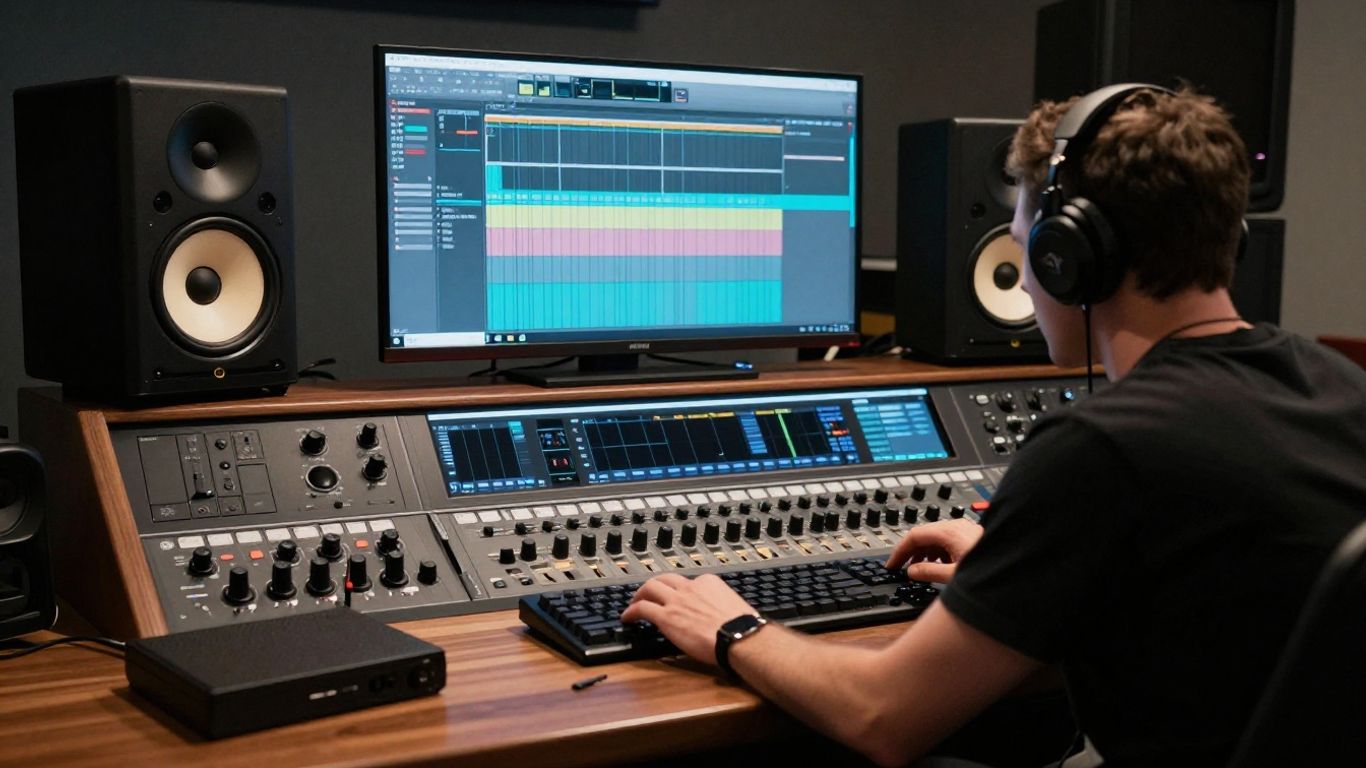
Despite the progress, you might still encounter "hallucinations" or strange digital chirps in complex passages. These artifacts are often remnants of the neural network’s training process rather than a failure of your creative vision. Careful listening during the monitoring phase allows you to isolate these issues and apply minor surgical EQ or manual stitching to your master.
Understanding limitations in complex arrangement
AI music generators sometimes struggle with maintaining a cohesive musical narrative over long durations requiring intricate structural changes. The following table illustrates common bottlenecks observed in current production workflows versus their manual workarounds:
| Feature | AI Performance | Needed Manual Intervention |
|---|---|---|
| Tempo Consistency | Excellent | None |
| Structural Phrasing | Partial | High |
| Timbre Balancing | Good | Moderate |
By acknowledging these thresholds, you can use AI to build the foundation while reserving your workflow for specific structural refinements that machines currently overlook.
Listener perception and audience reception
Can consumers distinguish AI from human-made music?
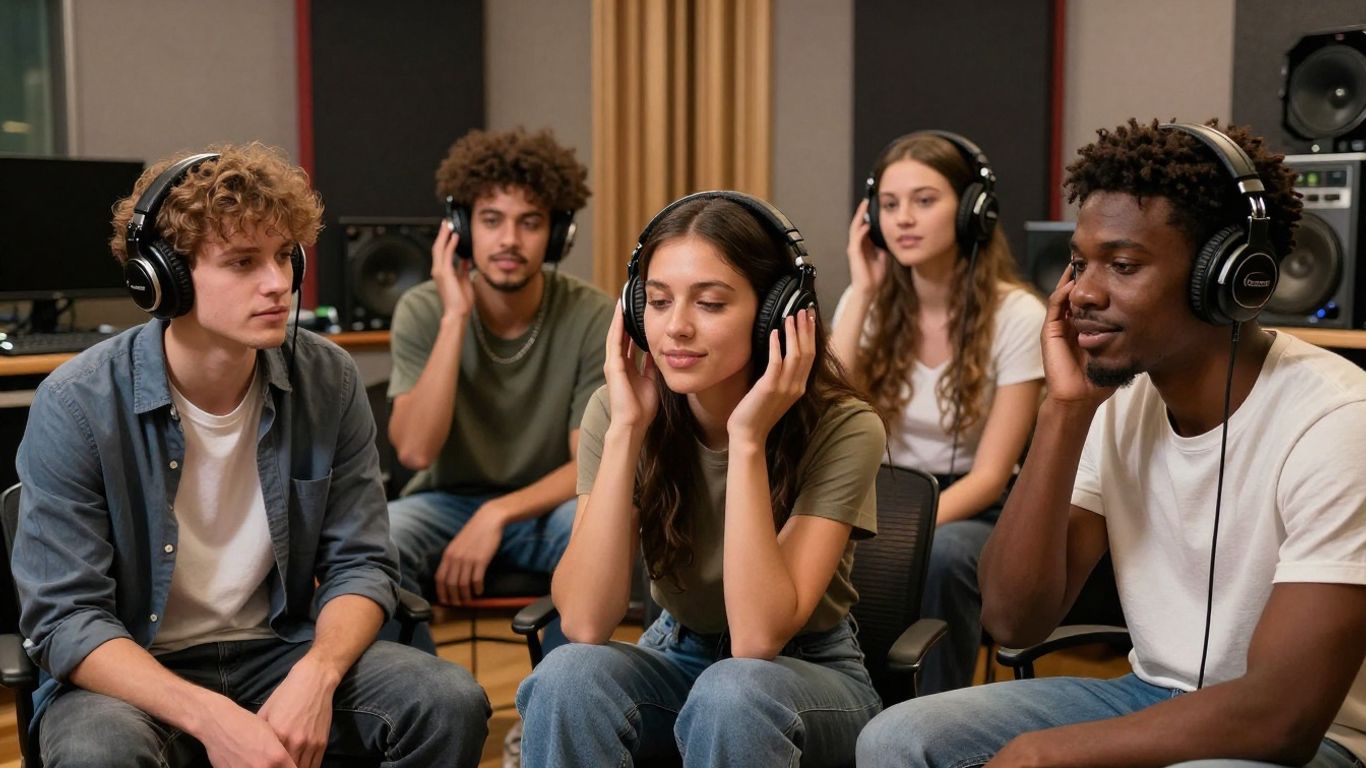
Evidence suggests that AI music popularity is largely driven by the fact that average listeners simply cannot identify the source of the track. If the song is catchy, most people are perfectly comfortable ignoring whether it originated from a human band or a server farm. The focus remains on the listener’s immediate emotional reaction.
The impact of genre on AI acceptance
Certain genres like electronic or ambient music have seen widespread adoption because the listeners naturally associate them with synthesized tones. Hip-hop creators also frequently use AI to prototype beats before finalizing the arrangement. This genre-specific acceptance creates a natural entry point for testing public reception to your synthetic tracks.
Building artist identity with synthetic tools
Identity is far more complex than just the music; it involves the visuals, the storytelling, and the consistent persona you convey to your fans. Using these tools allows you to maintain a high-volume output while you refine the specific aesthetic that makes your art unique.
Managing fan engagement in the age of automation
Transparency helps maintain trust with your base even when you automate parts of your process. Engagement relies on your story as a creator, which remains firmly in your control regardless of the tools you use to produce the final audio.
Technical requirements and distribution standards
Mastering for streaming platform loudness units
Streaming services normalize audio to specific LUFS levels to ensure consistent volume during user playback. You should aim for a master that sits comfortably at -14 LUFS to prevent excessive dynamic range reduction by platform algorithms. Ignoring this standard can cause your tracks to sound flimsy when side-by-side with commercial masters.
Meeting bit depth and file format specifications
Distributors mandate specific file formats, typically 16-bit or 24-bit WAV files, to ensure maximum quality for listeners. Always verify that your export settings match these requirements exactly. A minor error here can result in a rejected submission or degraded audio quality upon conversion.
Optimizing metadata for algorithmic discovery
Your metadata determines how platform recommendation engines sort your music. Good, clean tagging ensures that your tracks appear in appropriate playlists rather than falling into the void. Take the time to fill out every field because these details serve as the bridge between your content and the target audience.
Selecting distribution services that accept AI content
Not every distributor accepts AI-generated material without documentation or transparency requirements. Review their terms of service carefully to avoid account flagging. Researching which platforms support AI music streaming ensures that your catalog remains accessible once it goes live.
The changing legal landscape for AI music
Current copyright policies for machine-generated content
Copyright offices in many countries have ruled that works created without significant human involvement may not be eligible for standard protection. This is a crucial distinction if you intend to protect your music from unauthorized re-uploads. Documenting your human-led editing and arrangement steps provides a stronger claim to protect your creative equity.
Navigating intellectual property and authorship claims
Intellectual property concerns are rampant, especially in regard to training data sources. Keep an eye on how courts treat AI training as fair use versus infringement. Protecting your unique sound profile is possible if you maintain clear ownership of your final master and keep your original prompt logs as evidence of your creative intent.
Understanding streaming platform terms of service regarding AI
Most platforms explicitly require users to disclose AI involvement during the submission process. Failure to do so can trigger account bans. Honesty is the most effective way to avoid long-term repercussions with streaming giants who are actively auditing their catalogs for improperly declared content.
Protecting unique AI sound profiles from unauthorized use
If you curate a specific machine-generated textural style, monitor how others use it. While legal protections are still evolving, your brand reputation, whether acting as an independent creator or maximizing your rental presence, is your strongest asset against copycats.
Integrating AI into a professional music production workflow
Using AI as an assistive songwriting tool
Think of the Creatus AI model as an extension of your existing creative process rather than a replacement. It excels at breaking past writers’ block by offering fresh melodic ideas or lyrical fragments that you can then morph. When you start with a solid foundation, your job shifts toward curating the best moments from that generation.
Scaling creative output through machine learning
Machine learning tools allow you to bypass mundane technical friction so you can focus on the artistic direction. This speed is vital for creators who need to stay relevant in a fast-moving market. You can explore a variety of arrangements in minutes that would have previously taken days to mock up.
Combining human performance with AI-generated textures
Layering live instruments over synthetic textures adds a layer of depth that machines cannot currently replicate. This hybrid approach ensures that the "human touch" Elevar Magazine discusses remains audible, bridging the gap between digital perfection and organic character. Consider these steps for a balanced hybrid workflow:
- Generate core melodic ideas using your AI studio tools.
- Record live vocal or instrumental tracks as the emotional anchor.
- Blend dry AI signals with processed organic recordings.
- Apply global mastering to unify the frequency spectrum.
Following these steps helps you maintain control while leveraging the efficiency of modern generation models.
Maintaining creative oversight over the final master
Your final master is your responsibility from start to finish. Reviewing every track for emotional resonance is the difference between a generic file and a piece of art. Always treat your AI output as raw material that requires your specific filter before it ever sees a streaming platform.
Future-proofing your music catalog
Adapting to evolving platform algorithm trends
Streaming trends change as quickly as the available technology. You should audit your catalog every few months to see if your sonic style needs a subtle refresh. Staying ahead of these shifts involves listening to your analytics rather than guessing what the algorithms prefer.
Balancing high-volume output with artistic longevity
Uploading too much low-quality music can hurt your long-term reputation. Focus on depth and quality to build a catalog that listeners want to revisit. Even with AI acceleration, treat your discography as a portfolio that reflects your long-term vision.
Leveraging analytics to monitor AI music performance
Use platform dashboards to track which tracks perform well and why. If certain songs are getting skipped, analyze the structure for potential fatigue and adjust your future output accordingly. Metrics provide the coldest, most honest feedback for your creative direction.
Planning for shifts in platform regulatory policies regarding synthetic audio
Regulators are watching streaming farm fraud closely and will likely introduce stricter rules for synthetic media. Being transparent and compliant today prepares your catalog for the inevitable oversight of tomorrow.
Conclusion
AI music is more than capable of holding its own on major streaming platforms, provided you handle the technical requirements with the same care as a traditional production. The secret lies in using these tools to supplement your vision rather than letting them lead the entire process, ensuring that the human element remains at the center of your work.
Frequently Asked Questions
Can I monetize music created by AI on streaming platforms?
Yes, you can monetize AI-assisted tracks as long as the distribution service and the streaming platform’s terms of service allow it and you have the necessary rights.
Do streaming platforms have specific policies against AI music?
Most platforms allow AI content but require you to disclose it during the song submission process to ensure transparency with labels and rights holders.
Does AI-generated music have copyright protection?
This is a complex legal area, but generally, human-authored components are more easily protected than fully machine-generated works, so original edits add value.
How can I make AI music sound more human?
Layering human-recorded instruments, focusing on structural dynamics, and correcting minor artifacts are the most effective ways to add personality to your tracks.
What are the main pitfalls of using AI for music creation?
Common pitfalls include over-reliance on standard models, inconsistent structure across verses, and potential legal issues regarding training data if not handled correctly.
Are there specific file formats favored by streaming platforms?
Yes, most distributors require high-quality formats like WAV at 16 or 24-bit depth to maintain fidelity from your production environment to the end-user.
Will AI music make human musicians obsolete?
Most experts agree that AI acts as an assistive tool that allows creators to do more, ultimately enhancing human creativity rather than replacing it entirely.