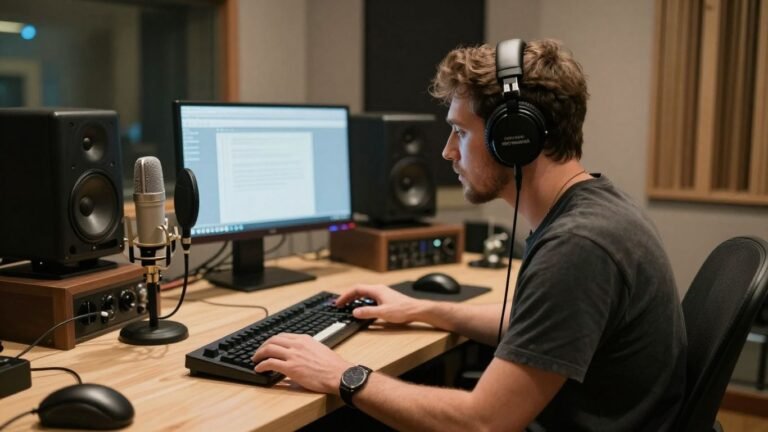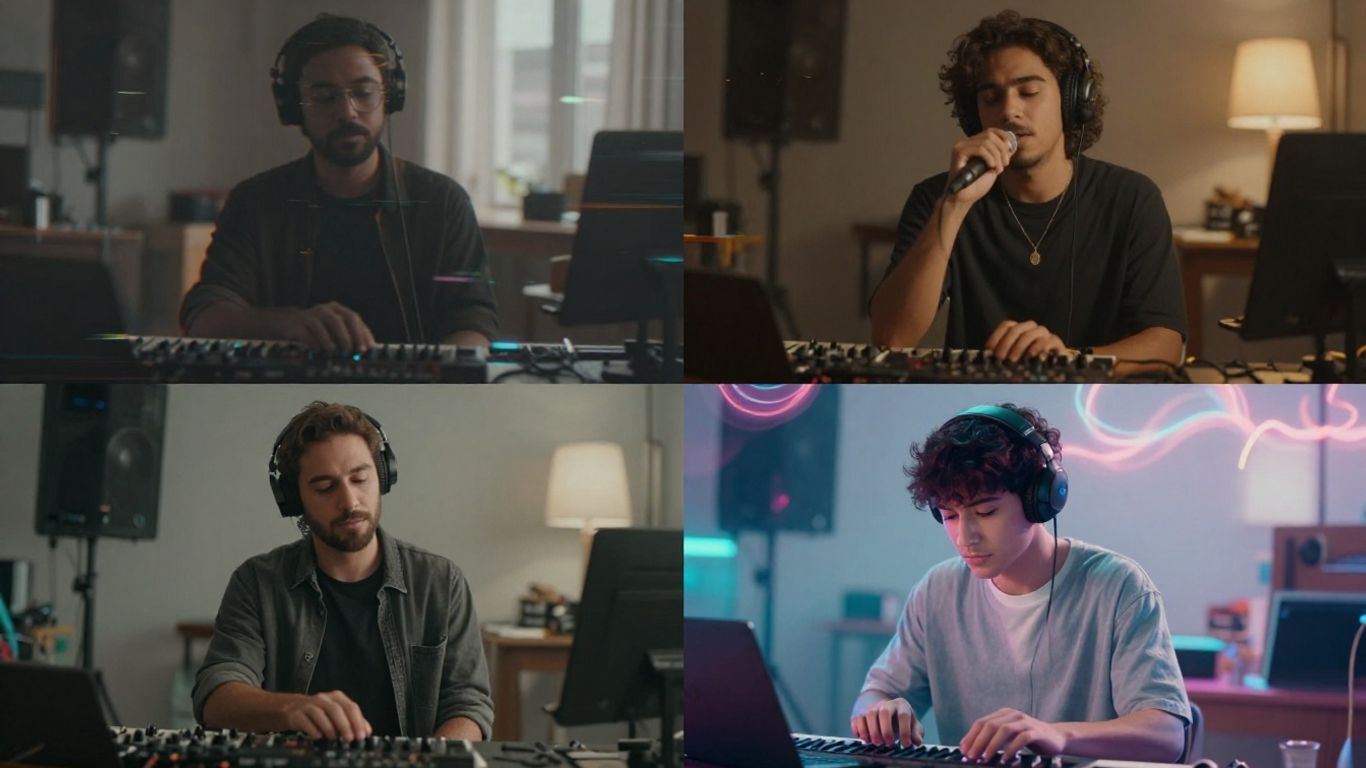
So, you’re wondering if AI music videos are actually getting any good, right? It feels like just yesterday they were kind of a mess, but now? Things are changing fast. We’re going to look at how AI video tools stacked up in 2024 and what you can expect by 2026, especially with music videos. You might be surprised at how much they’ve improved and where they’re headed. Let’s check it out.
Key Takeaways
- AI video generation has gotten way better, especially in making things look real and moving smoothly, making AI music videos much more watchable than before.
- Tools are starting to combine making the song and the video all in one place, so you don’t have to jump between different apps anymore.
- When you’re checking out AI music videos, pay attention to how well the visuals match the music’s beat and tempo, and if the look stays the same from one scene to the next.
- There are now AI tools that work for all sorts of people, from solo musicians needing a quick video to businesses making promotional content.
- The AI video market is growing fast, with lots of different tools popping up, each with its own strengths, so picking the right one for your project is key.
Advancements in AI Music Video Generation: 2024 vs. 2026
Key Improvements in Visual Realism and Animation
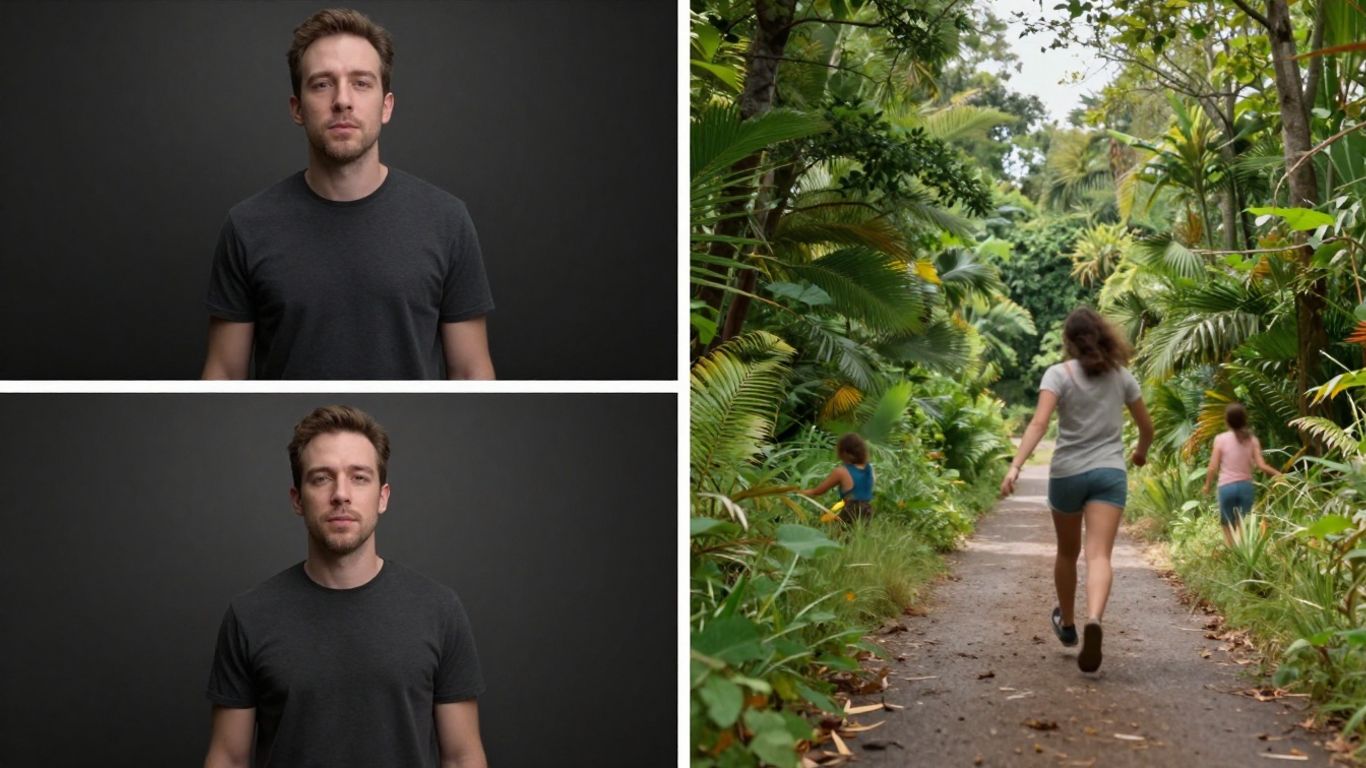
Back in 2024, AI-generated music videos often looked a bit rough around the edges. You might have noticed choppy animations or visuals that didn’t quite feel real. Fast forward to 2026, and the difference is pretty striking. AI models have gotten much better at creating realistic textures, lighting, and smoother character movements. This means you can now generate videos with a much more polished and believable look.
Enhanced Audio-Visual Synchronization
One of the biggest hurdles for AI video generation was making sure the visuals perfectly matched the music. In 2024, you’d often see lip-syncing that was slightly off or animations that didn’t quite hit the beat. By 2026, this has improved significantly. AI can now better interpret the rhythm, tempo, and even the mood of your song to create visuals that feel truly in sync. This makes the viewing experience much more immersive and professional.
The Role of AI in Creative Workflows
AI isn’t just about generating the final video anymore; it’s changing how you create from start to finish. In 2024, you might have used AI for specific tasks, like generating a background or an avatar. Now, in 2026, AI tools are more integrated into the entire creative process. You can use AI to help brainstorm ideas, generate song elements, and then produce the video, all within a more connected workflow. This saves you time and lets you focus more on the artistic vision.
Integrated AI Workflows: Song Creation to Video Production
The Rise of Two-in-One Platforms
Forget juggling multiple apps. You can now find platforms that handle both song creation and video production. This means you can go from a simple idea to a finished music video without switching tools. This integrated approach saves you a lot of time and hassle.
Eliminating Tool Switching for Creators
Imagine writing a song and then immediately generating a video for it, all within the same interface. Tools like CREATUS.AI offer this. You type a song idea, get a track with vocals, and then turn that audio into a video. It’s about keeping your creative flow going without interruptions.
Comprehensive AI Ecosystems for Content
These platforms are becoming more than just song-and-video makers. They are part of larger AI ecosystems. You might find tools for generating lyrics, creating album art, or even cloning voices, all connected. This means you can build a whole project using AI, from start to finish, without leaving one environment. It’s a big shift from needing separate software for every single step.
Evaluating AI Music Video Quality and Performance
You’ve generated an AI music video, but how do you know if it’s any good? Evaluating the output requires looking beyond just pretty pictures. You need to consider how well the visuals actually serve the music and the overall artistic vision.
Criteria for Assessing AI Video Output
When you’re looking at your AI-generated video, ask yourself a few key questions. Does it capture the mood of the song? Are the visuals interesting enough to hold attention? **The most effective AI music videos feel intentional, not just random.
Here are some points to consider:
- Mood and Tone: Does the video’s atmosphere match the song’s emotional content?
- Visual Interest: Are the scenes engaging, or do they become repetitive?
- Artistic Cohesion: Do the different visual elements work together to create a unified piece?
- Originality: Does the video offer something unique, or does it feel generic?
Beat and Tempo Synchronization Accuracy
This is where many AI music videos still stumble. You want the visuals to hit on the beat, especially during key moments like a chorus drop or a drum fill. If the AI can’t sync up with the rhythm, it breaks the immersion. Tools that focus on music-first generation often perform better here, automatically analyzing your track to align visuals. You can find platforms that specialize in this, making the process much smoother for musicians. This guide compares AI video models that can help you find one with good synchronization capabilities.
Visual Consistency Across Scenes
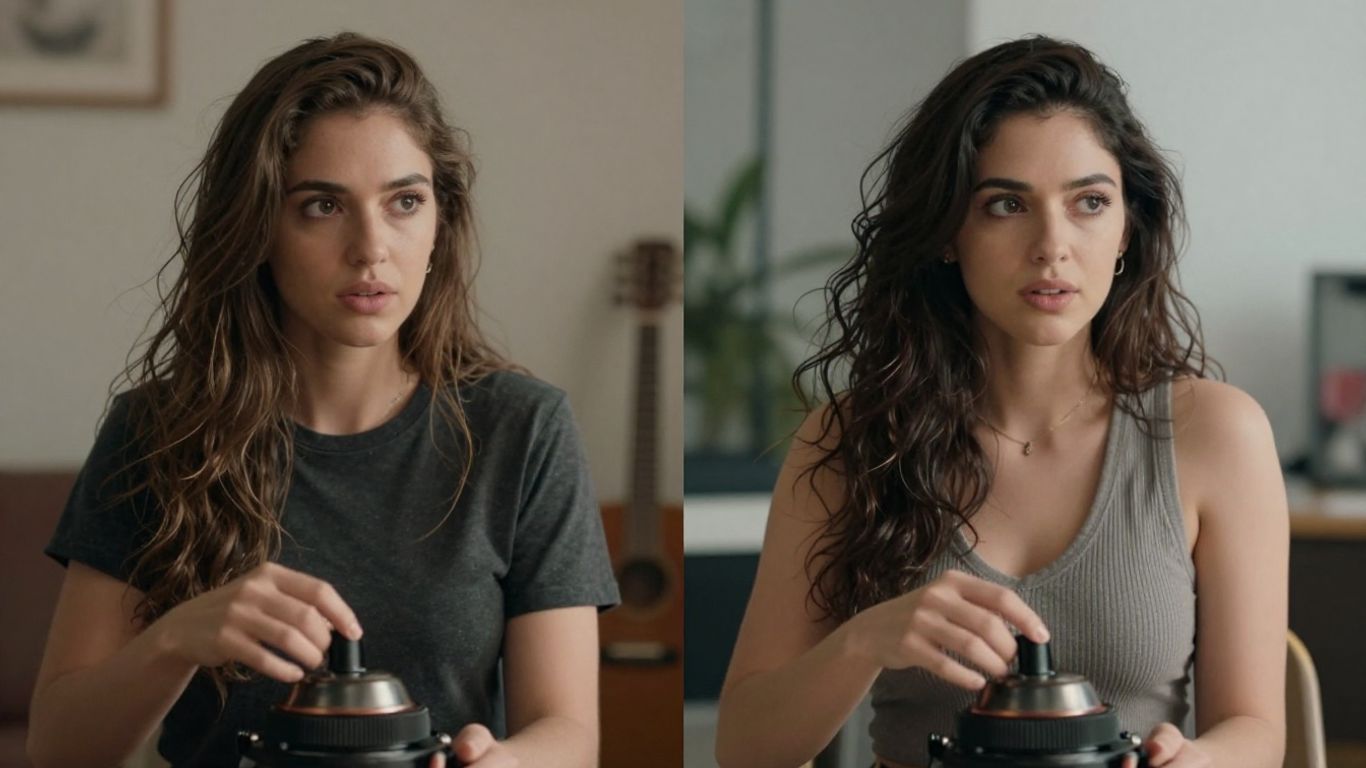
One of the biggest challenges is maintaining a consistent look and feel throughout the entire video. You don’t want characters or environments changing drastically from one shot to the next unless it’s intentional. This consistency is vital for creating a believable world for your music video. Without it, the video can feel disjointed and unprofessional. You need to check that the style, color palette, and character designs remain stable across different scenes. This is especially important if you’re creating a series of videos for an album.
You might have a visually stunning clip, but if the characters look different in every scene or the lighting shifts randomly, it pulls the viewer out of the experience. Aim for a cohesive aesthetic that supports the narrative or mood of your song.
AI Music Video Capabilities for Diverse Creators
AI music video tools are no longer just for big studios. You can find options that fit your specific needs, whether you’re an indie artist, a social media creator, or even a business.
Tools for Independent Musicians
As an independent musician, you probably want to get your music out there without breaking the bank on video production. Many AI tools now focus on making this easy. You can upload your track and get a video that syncs with the beat and mood. This means you can create professional-looking visuals that match your music’s energy. These platforms often have presets that help you achieve a certain style quickly, saving you time and effort. You can explore tools that offer audio-driven generation to ensure your visuals hit every beat [d135].
Solutions for Content Creators and Social Media
If you’re a content creator, speed and platform compatibility are key. AI video generators can produce short, engaging clips optimized for platforms like TikTok, Instagram Reels, or YouTube Shorts. You can often choose from various styles, from animated to cinematic, and export in vertical formats. Some tools even offer features like automatic lyric captions. This makes it simple to keep up with a consistent posting schedule and grab your audience’s attention.
Applications for Businesses and Education
Businesses can use AI to create promotional videos with custom music for marketing campaigns. Imagine needing a jingle for a new product; AI can generate both the song and the video. Educators can also benefit by creating engaging music-based content for lessons. These tools can simplify the process of producing visual assets for various professional and learning purposes. You can even find platforms that offer a suite of AI tools beyond just music videos, giving you more options for content creation.
The Evolving Landscape of AI Music Video Tools
Comparing Specialized AI Video Models
The AI video generation market is getting crowded, and not all tools are created equal. You’ll find models that focus on hyper-realistic visuals, while others excel at abstract, motion-graphic-style outputs. Some are built for quick social media clips, and others aim for cinematic quality. Understanding these differences helps you pick the right tool for your specific project. For instance, if you need visuals that precisely match every beat drop, a music-first generator might be your best bet. If you’re after a more artistic, interpretive visual, a different model might suit you better. It’s about matching the tool’s strengths to your creative vision.
The Impact of Market Growth and Competition
As more companies enter the AI video space, you’re seeing a faster pace of innovation. This competition drives down prices and pushes developers to add more features. You can now find platforms that offer integrated song and video creation, eliminating the need to switch between multiple applications. This consolidation simplifies your workflow significantly. Expect to see more specialized tools emerge, catering to niche needs within music video production. The market is maturing, and that’s good news for creators looking for powerful, accessible tools.
Future Trends in AI Music Video Development
Looking ahead, expect AI music video tools to become even more intuitive and powerful. We’re likely to see better control over character animation and more sophisticated scene generation. The integration of AI across the entire music creation pipeline, from songwriting to final video export, will become standard. You might also see AI tools that can analyze your existing music library and suggest visual styles. The focus will continue to be on reducing the technical barrier for artists, allowing you to concentrate on the creative aspects. Keep an eye on platforms that offer comprehensive AI ecosystems for content as they tend to lead the way in integrated workflows.
Practical Considerations for AI Music Video Production
When you’re looking to create AI music videos, it’s not just about picking the flashiest tool. You need to think about what actually works for your project and your budget. Let’s break down some of the practical stuff you should consider.
Understanding Different AI Video Categories
AI video tools aren’t all the same. Some focus on making super realistic footage, while others are better at animation or abstract visuals. You’ll find platforms that specialize in syncing to music, and others that are more general-purpose video generators. Knowing these differences helps you pick a tool that matches your vision. For instance, if beat synchronization is your top priority, you’ll want a music-first AI video creator. If you need a more cinematic feel, a different type of generator might be better suited.
Choosing the Right Platform for Your Needs
Your choice really depends on what you’re trying to achieve. Are you an independent artist needing quick visuals for a single, or are you working on a full album? For quick social media content, speed and ease of use are key. For an album, visual consistency across multiple videos becomes much more important. You might also consider platforms that offer a unified workflow for both song and video creation, cutting down on the need to switch between different software.
The Importance of Workflow Efficiency
Time is money, right? A good AI music video production pipeline means fewer steps between your idea and the final product. Look for tools that automate tasks like beat analysis and offer quick iteration. If you’re constantly waiting for renders or manually adjusting sync, your creative momentum will suffer. Some platforms even offer pricing tiers that can help manage costs as your production scales.
Think about the entire process from start to finish. A tool that seems great at first glance might become a bottleneck later if its export options are limited or its rendering speed is too slow for your release schedule. Efficiency isn’t just about speed; it’s about a smooth, repeatable process.
Here’s a quick look at what to prioritize:
- Beat Sync Accuracy: Essential for music videos. If the visuals don’t hit the beat, it’s noticeable.
- Visual Consistency: Especially important for albums or series of videos.
- Rendering Speed: Keeps your creative flow going.
- Input Flexibility: Can you upload your audio directly, or do you rely solely on prompts?
- Export Options: Make sure the output formats work for your target platforms (e.g., YouTube, TikTok, Instagram).
Thinking about making an AI music video? It’s easier than you might think! We’ll walk you through the important stuff, like picking the right tools and making sure your video looks awesome. Ready to dive in and create something amazing? Check out our website for all the tips and tricks!
So, Are AI Music Videos Better in 2026?
Looking back from 2024 to where we are now in 2026, it’s clear AI music video tools have made some real progress. You can now get a song and a video from a single idea without jumping between different apps, which is a big deal for saving time. The visuals are getting better, and the music syncs up more reliably than before. While we’re not quite at Hollywood levels yet, for independent creators and anyone needing quick, decent-looking visuals, these tools are definitely more practical and capable. You can actually make something that looks and sounds pretty good without needing a huge budget or a team of experts. It’s about finding the right tool for your specific needs, whether that’s a quick social media clip or something a bit more polished for a release.
Frequently Asked Questions
Can AI really make a whole song and music video now?
Totally! Tools like Creatus AI can now take your idea, write a song with singing, and then create a matching music video all in one go. It’s like having a mini music studio and video crew in your computer, making it super easy to get your music out there with cool visuals, even if you’ve never made music or videos before.
How much better are AI music videos in 2026 compared to 2024?
The difference is pretty wild. Back in 2024, AI videos were okay, but often looked a bit robotic or didn’t quite match the music. Now, by 2026, the visuals are way more realistic, the animations are smoother, and the videos sync up much better with the song’s beat and mood. It’s a huge leap in quality and how natural it all looks.
Do I need to be a tech wizard to use these AI music video tools?
Nope, not at all! Many of these tools are designed so anyone can use them. You usually just type in what you want, maybe upload a song, and the AI does the heavy lifting. Think of it like using a simple app – you don’t need to know how to code to make a cool music video anymore.
Are there AI tools that can make both the song and the video together?
Yes, there are! Some platforms, like Creatus AI, are built to do both parts. You give them a song idea, they create the music and vocals, and then they automatically make a video for it. This saves you from having to jump between different programs, making the whole process much quicker and simpler.
Can I use these AI videos for my social media or YouTube?
Absolutely! Most AI music video tools let you export your creations in different sizes perfect for platforms like TikTok, Instagram Reels, YouTube, and more. You can get videos ready for vertical shorts or wider landscape formats, so your music can look great wherever you share it.
Is the quality good enough for serious music releases?
For many types of music, especially electronic, pop, or anything geared towards social media, the quality is definitely good enough for professional releases. While it might not replace a massive Hollywood production for every genre, it’s powerful for independent artists and creators to make eye-catching content without a huge budget or team.